#WestBengalTourism #RoadTripsFromKolkata
Having grown up outside West Bengal, me and my sister hadn’t really seen many places around the state. As we grew up, and our parents moved to Kolkata, we still weren’t able to manage time to see much. The pandemic finally gave us the opportunity to spend some time in Kolkata, and we decided catch up on everything the state has to offer! With this in mind, we did 10 road trips around West Bengal with our parents, and experienced the diversity of the state first hand!
- Taki
- Raichak and Diamond Harbour
- Sundarban
- Khirai – Valley of Flowers
- Ambika Kalna
- Bakkhali and Fraserganj
- Bishnupur
- Shantiniketan
- Murshidabad
- North Bengal
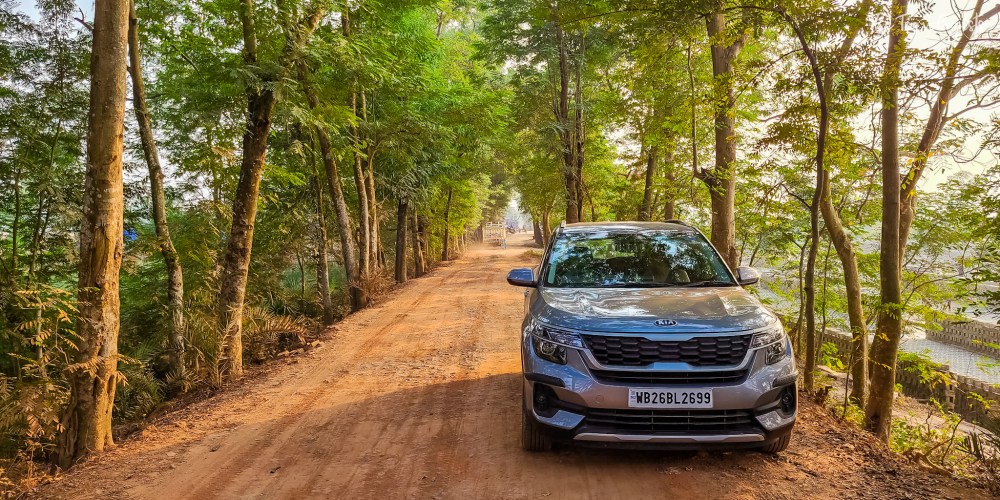
Taki
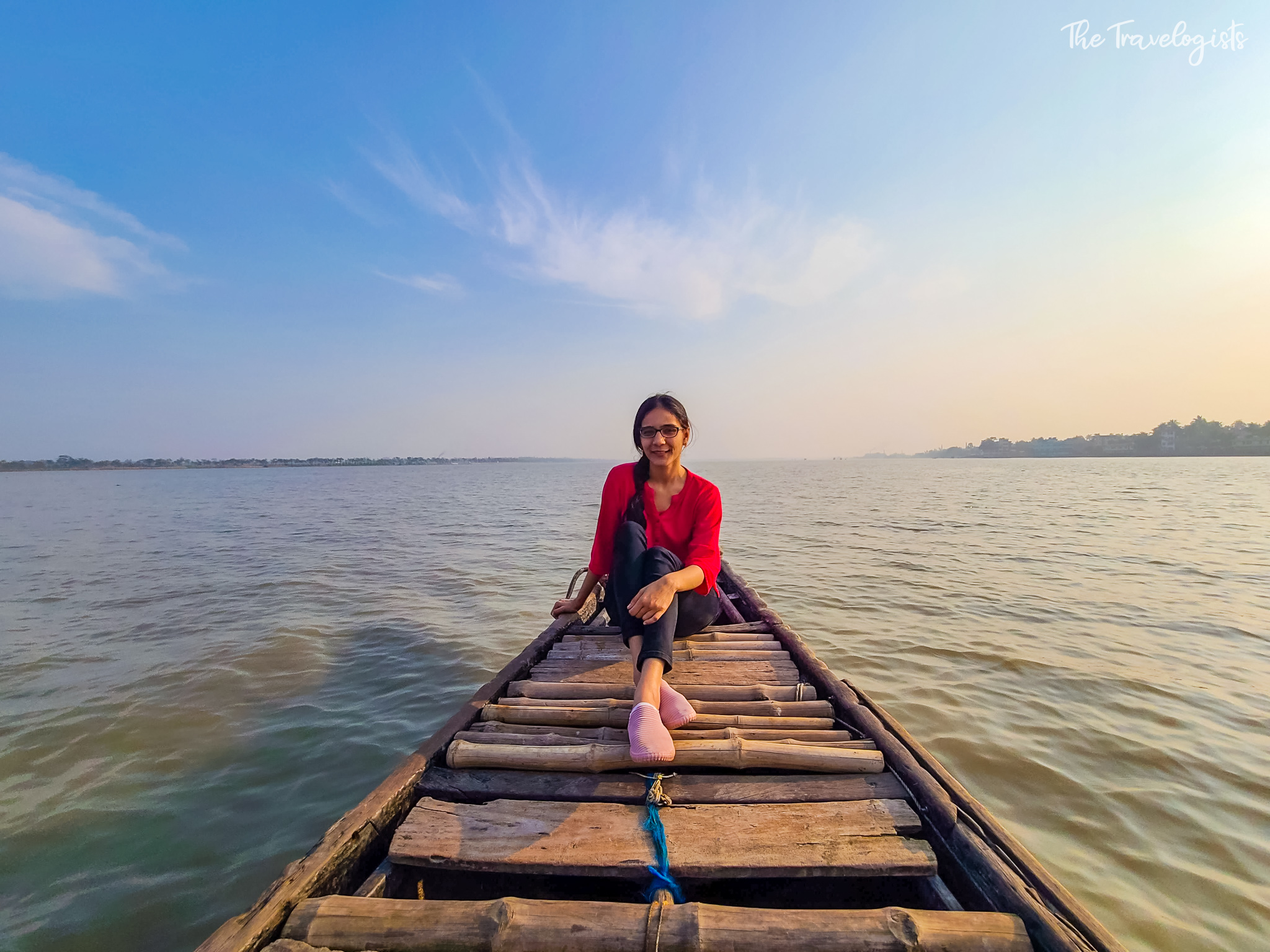
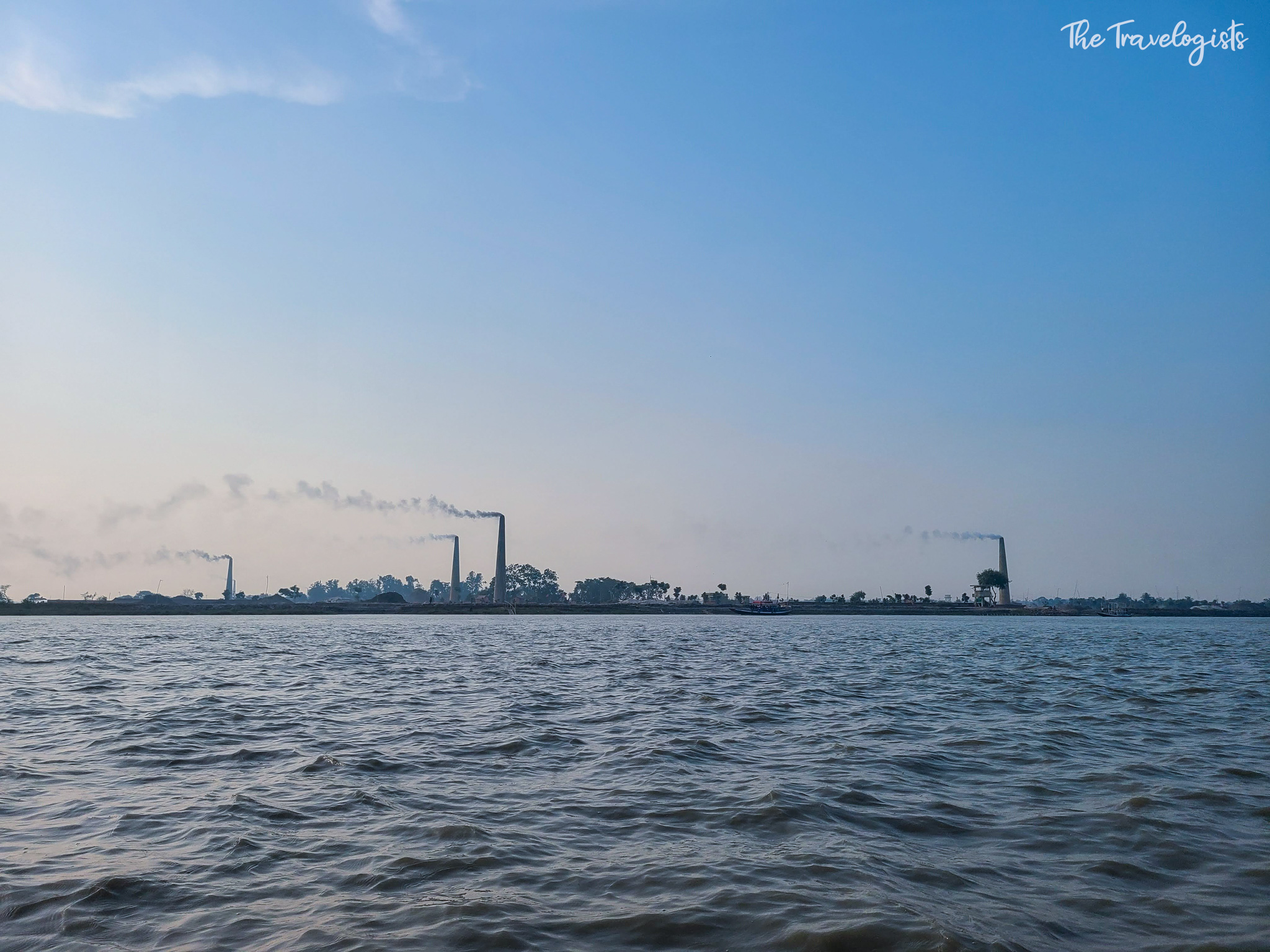
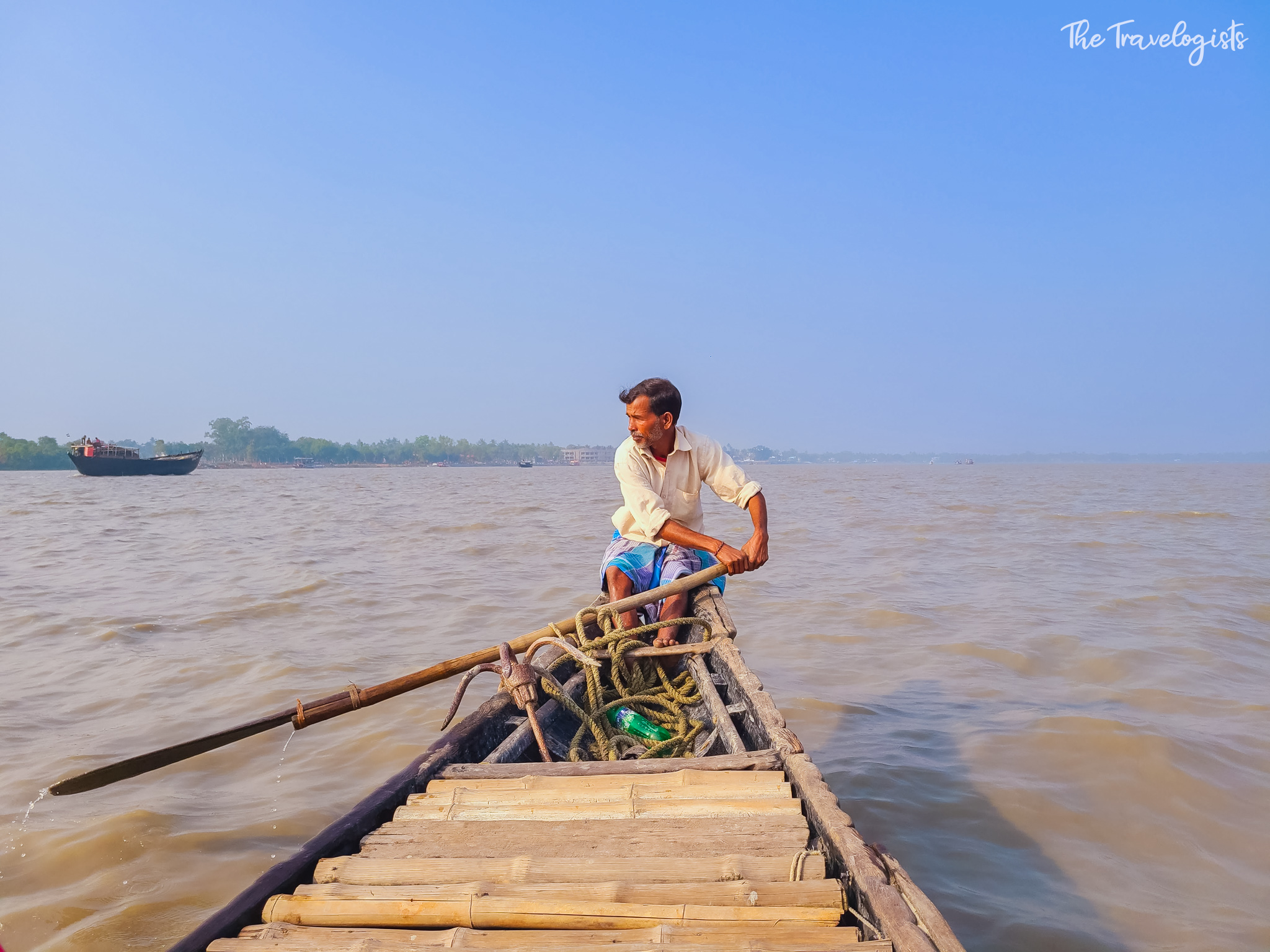
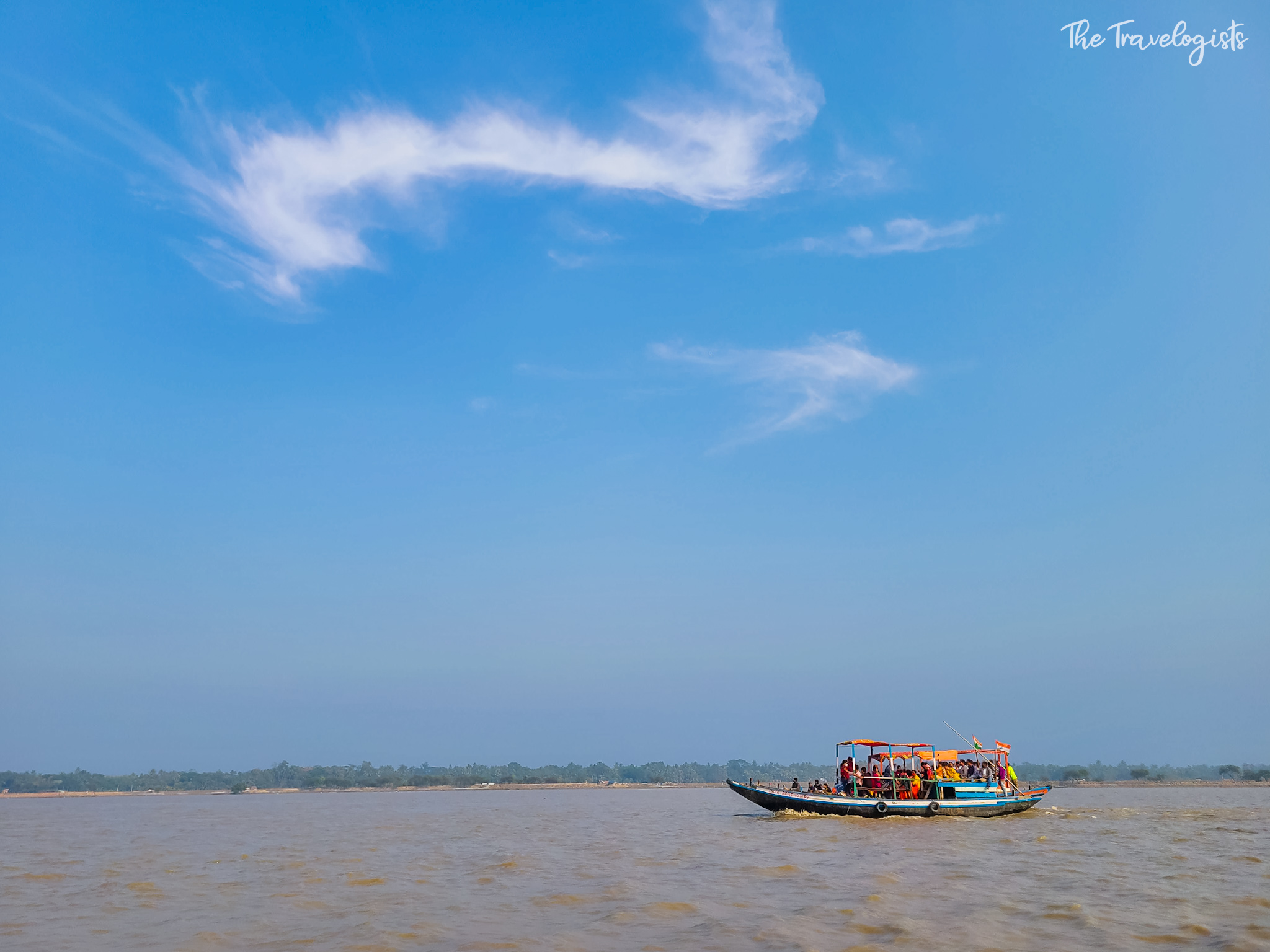
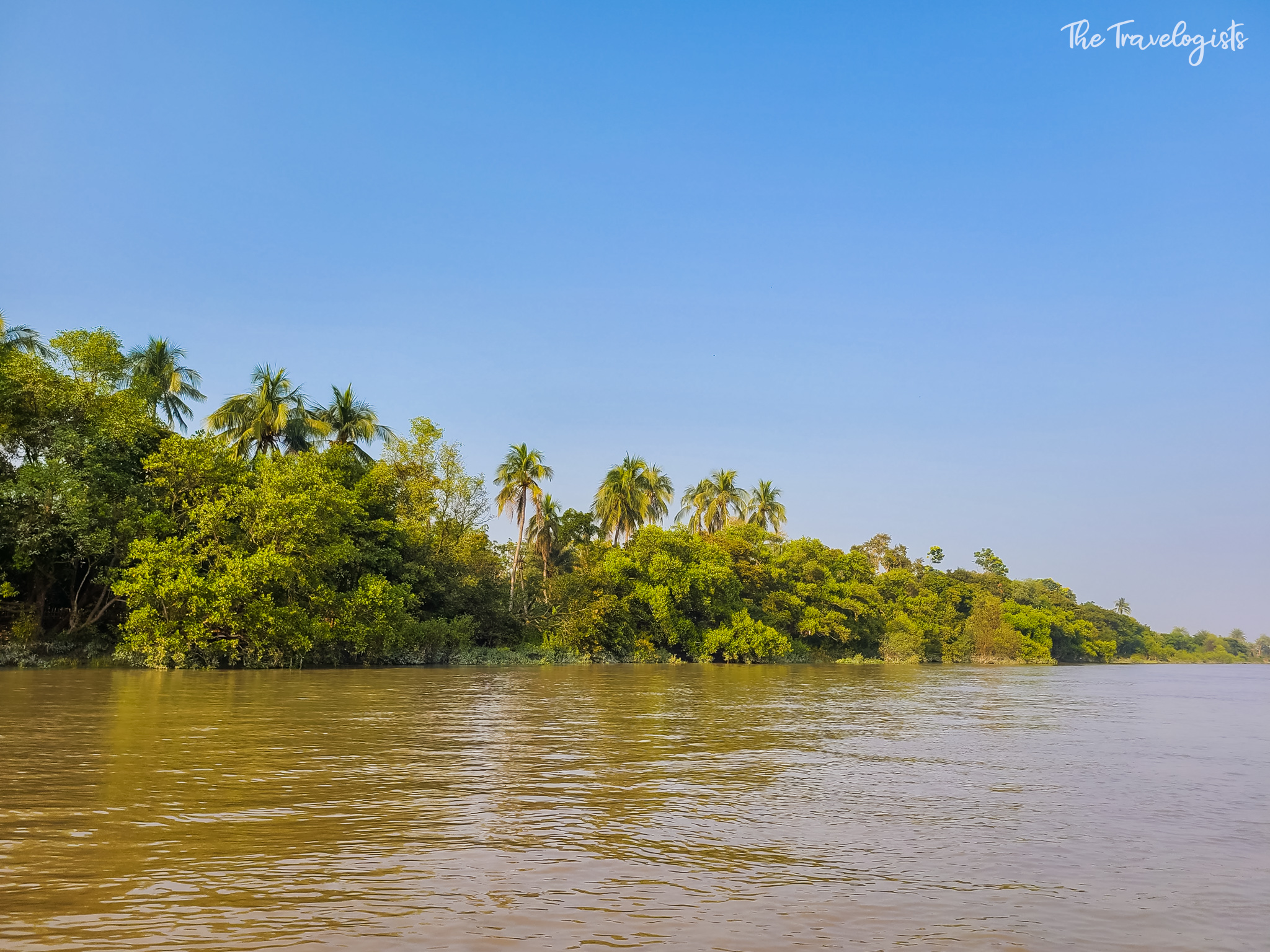
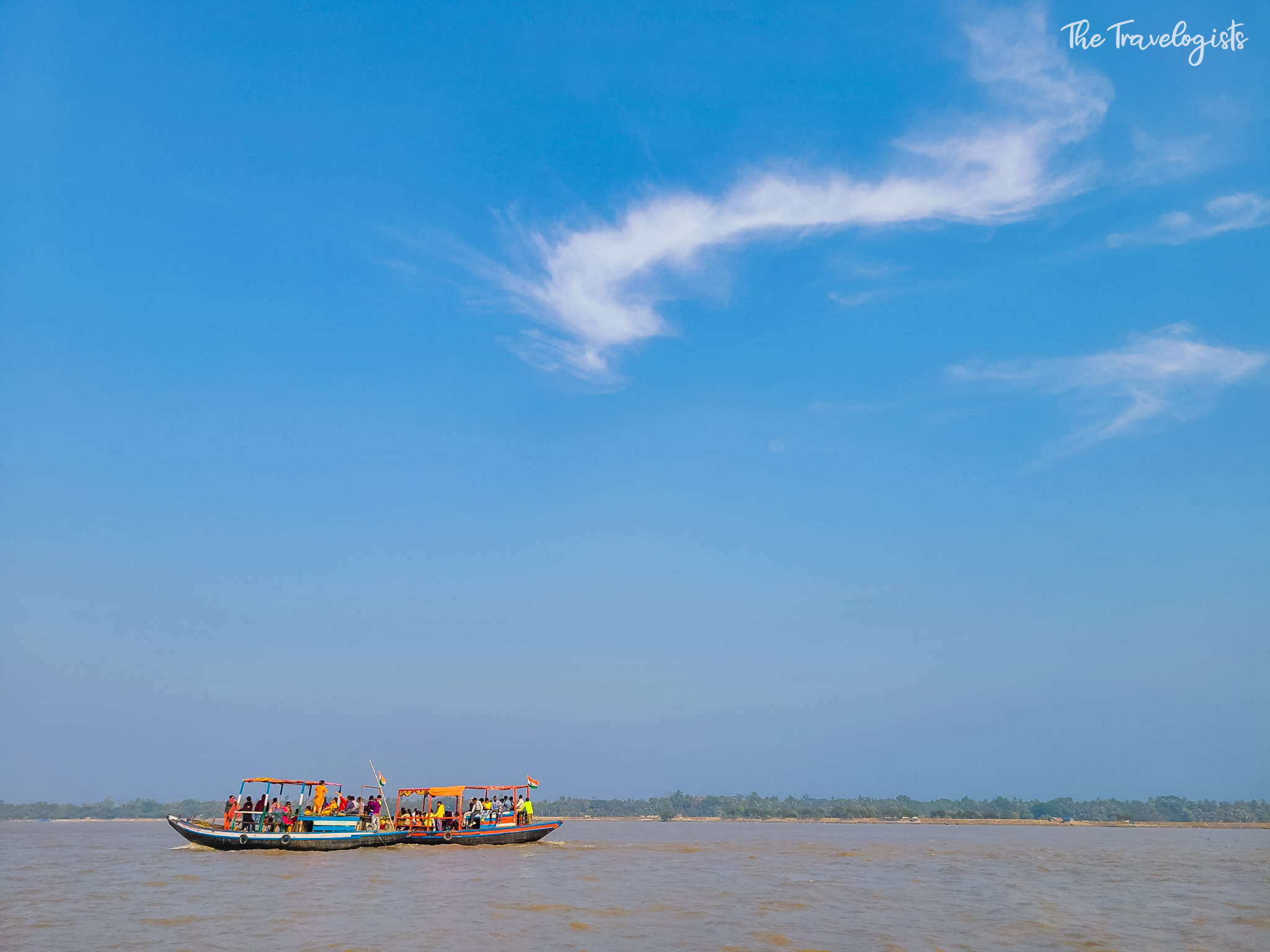
Located on the banks of the Ichamati River on the India-Bangladesh border, Taki is a great day trip from Kolkata – being less than 2 hours away. The Ichamati river is the main attraction in Taki, and what makes this unique is the fact that the India-Bangladesh international border passes through the middle of the river, and you can see Bangladesh on the other side! The best way to enjoy the river is to hire one of the non-motorized row boats for an hour or two.
Highlights:
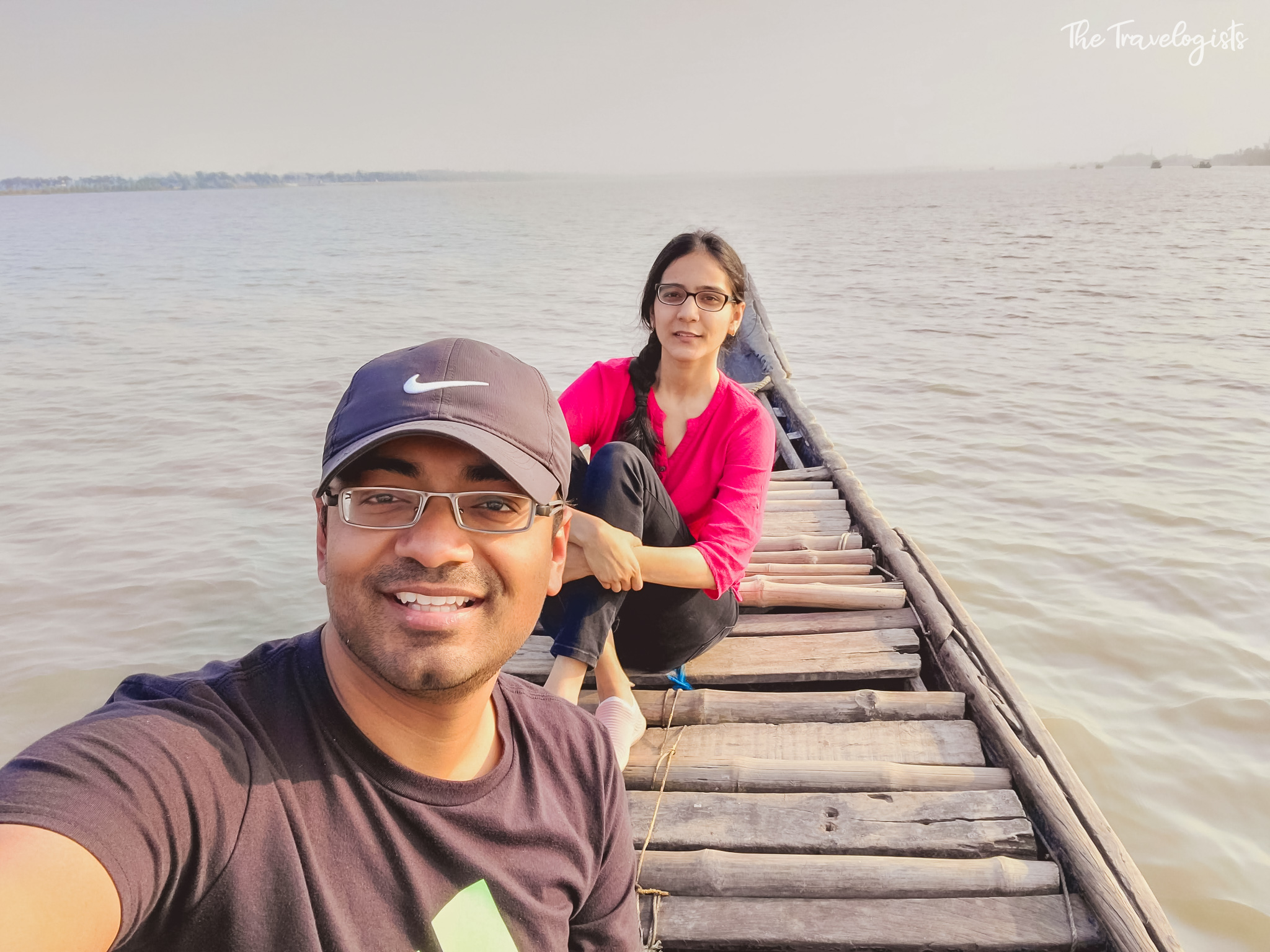
- Take a leisurely cruise on the Ichamati River. Tip: Reserve a row boat directly with the boatmen, and have your lunch on the boat!
- Take a walk around the town and check out the various “Zamindar Baris”, in varied stages of dilapidation. The most famous among them is the ancestral palace of General Shankar Roychowdhury
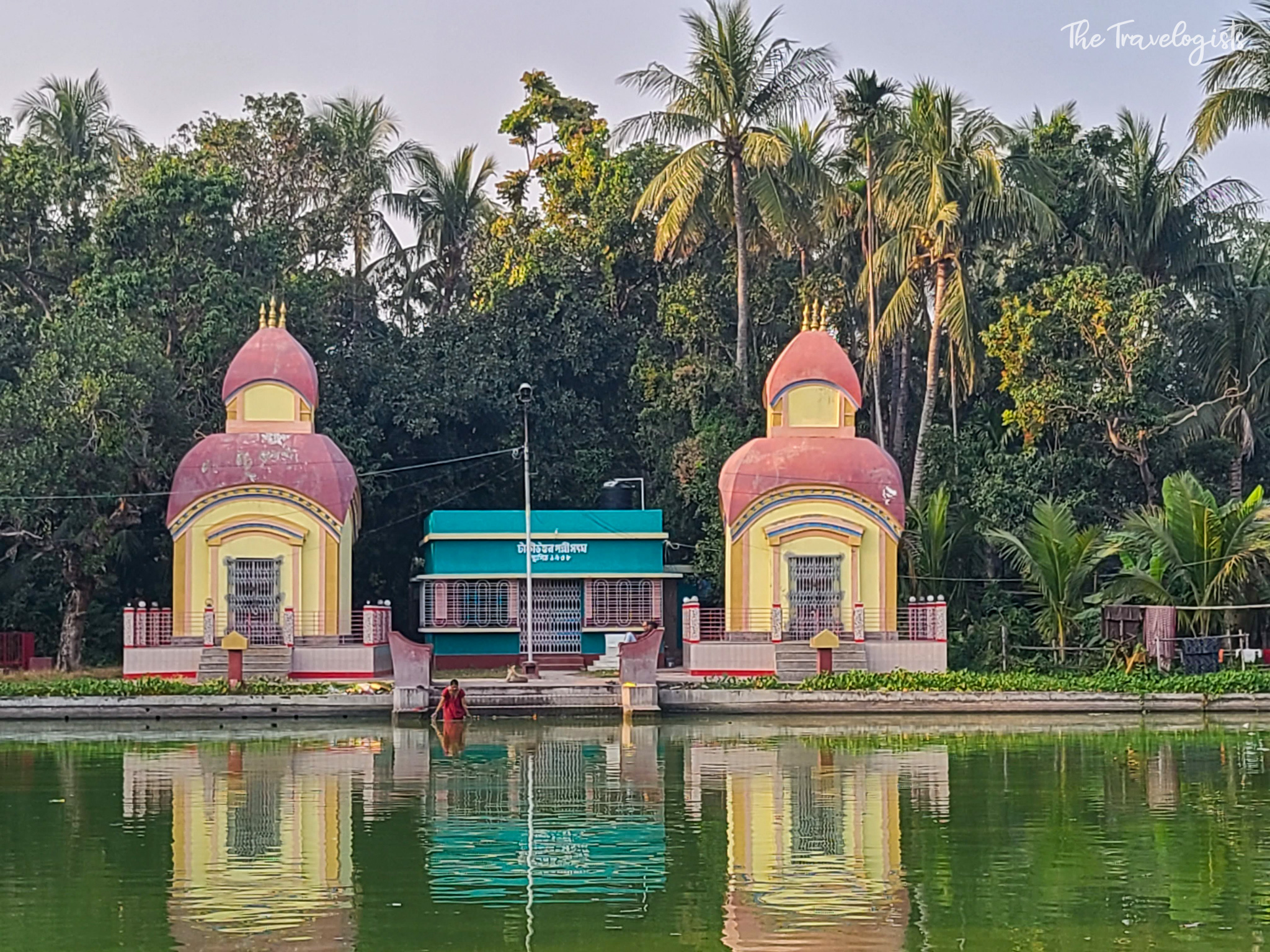
- Check out the 300 year old Jora Shiv Mandir (Twin temples dedicated to Shiva)
- Visit the Golpatar jungle, famous for its canopy jungle walk
How to reach:
While you can reach Taki by train or bus as well, the most convenient is to drive yourself. Take the Basanti Highway, either from Science City or connect from Newtown Road. At Malancha, continue on the Malancha-Basirhat highway to Taki. Parking can be found in the town, often regulated by local youth.
Tip: Start looking for parking some distance before you reach the river bank. Though Google Maps shows drivable roads right up to the river bank, those are extremely narrow roads and you might get stuck!
Where to stay:
Sonar Bangla Taki is a nice property by the river (We did not stay overnight at Taki, so we do not have any personal experience of this property).
Raichak and Diamond Harbour
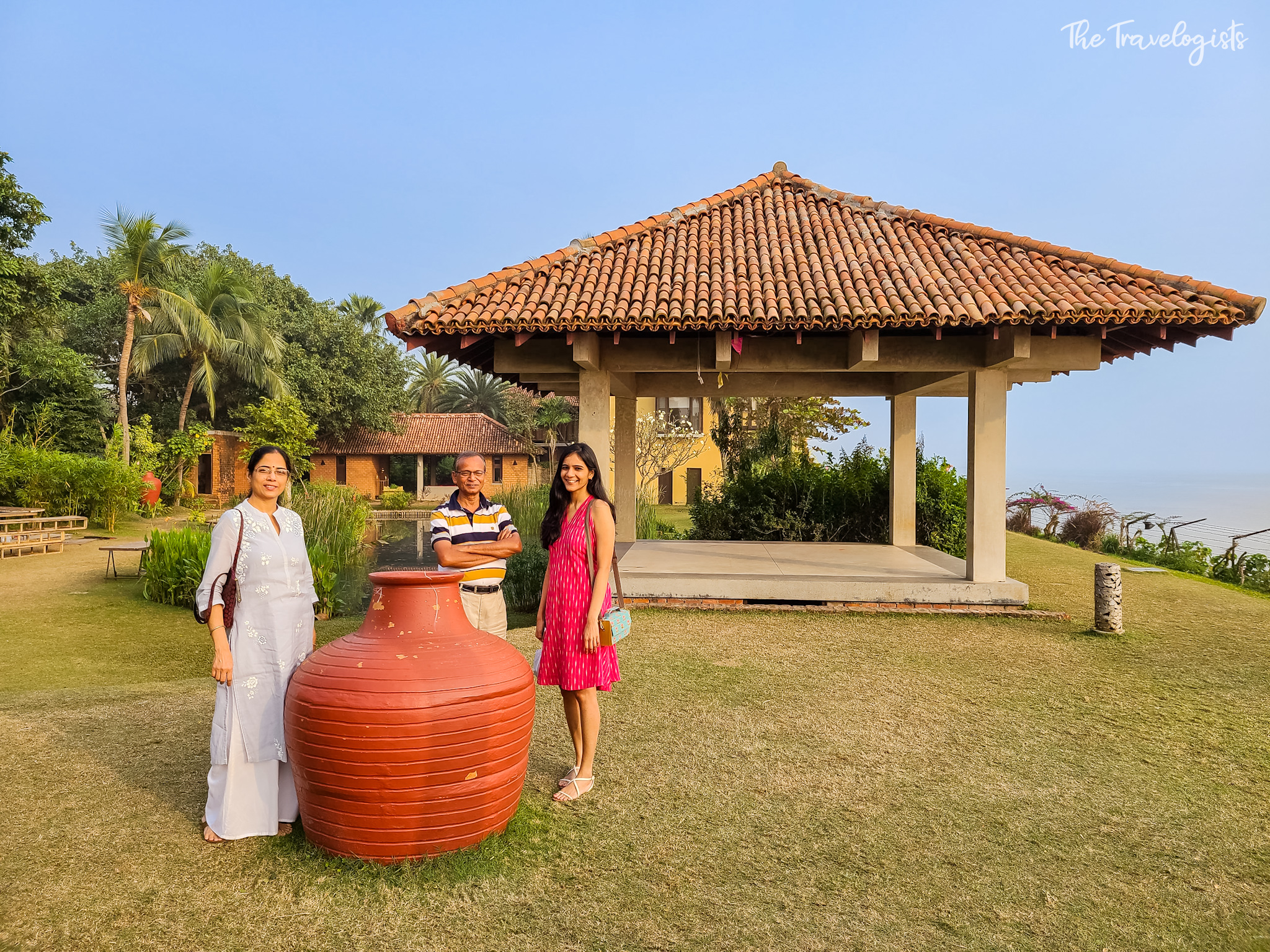
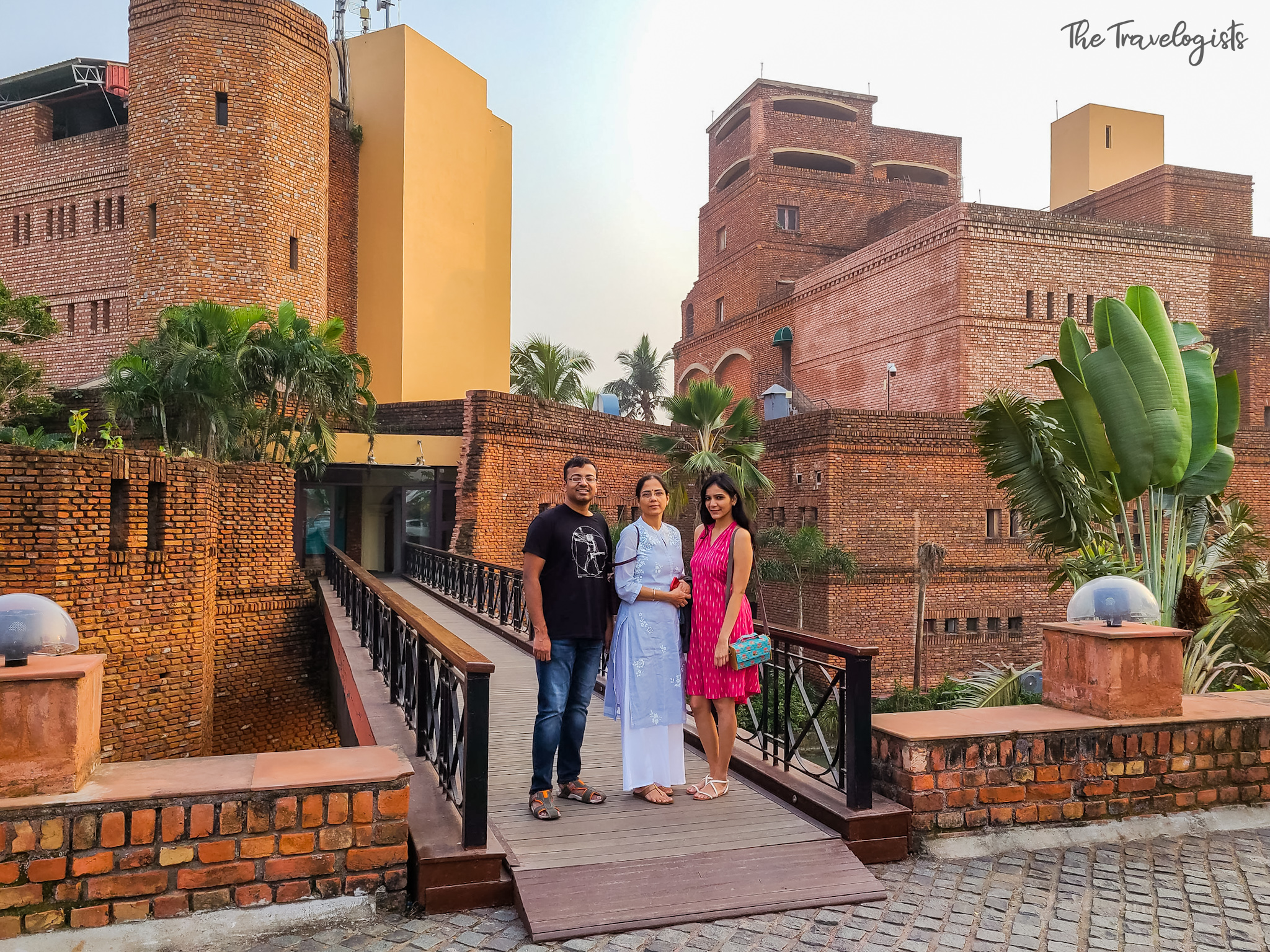
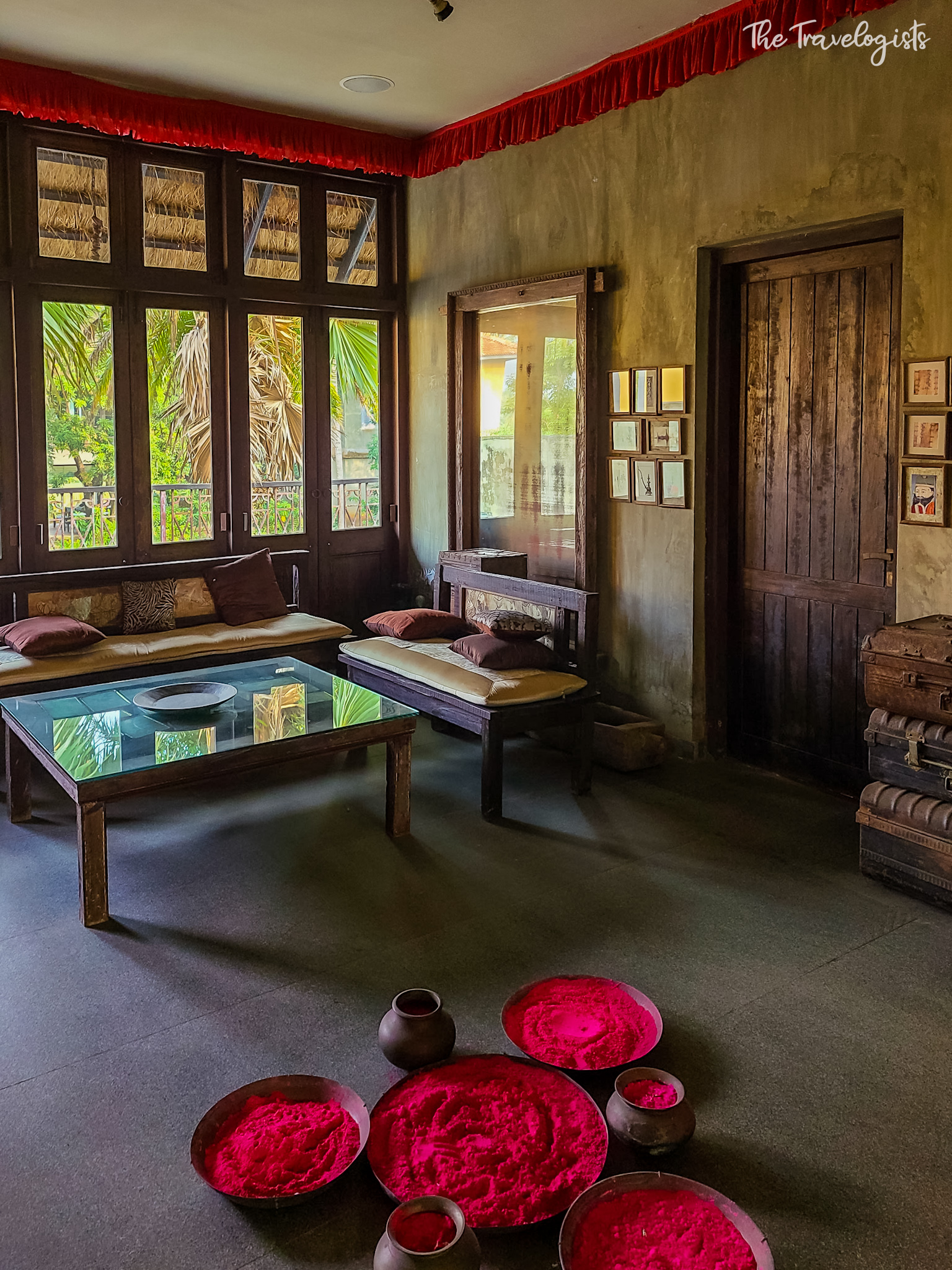
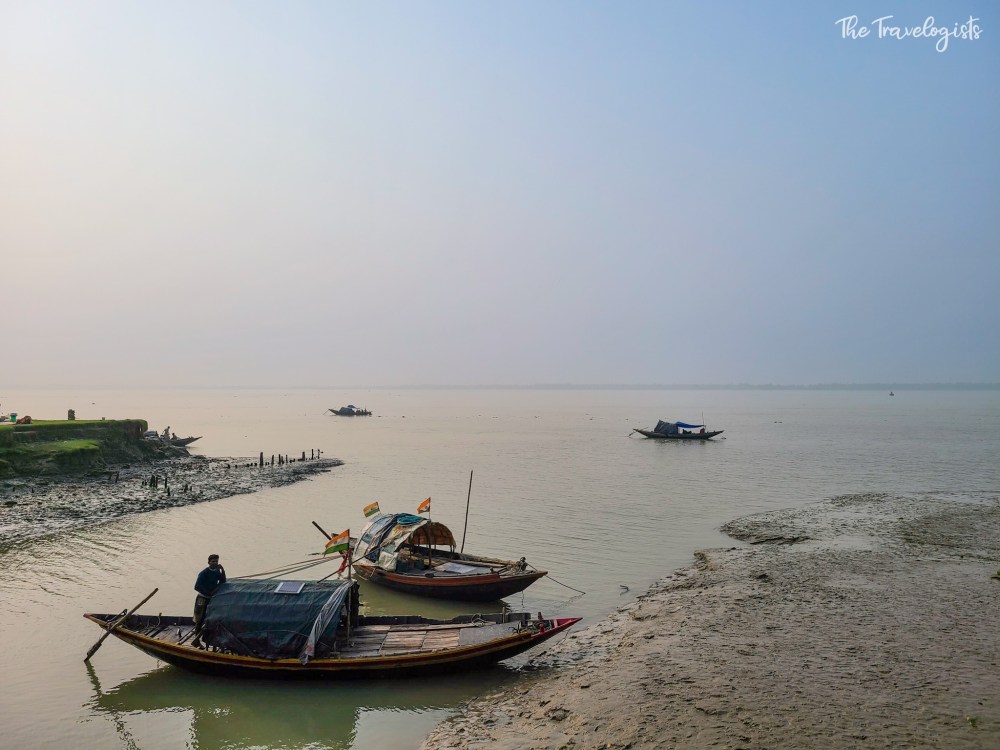
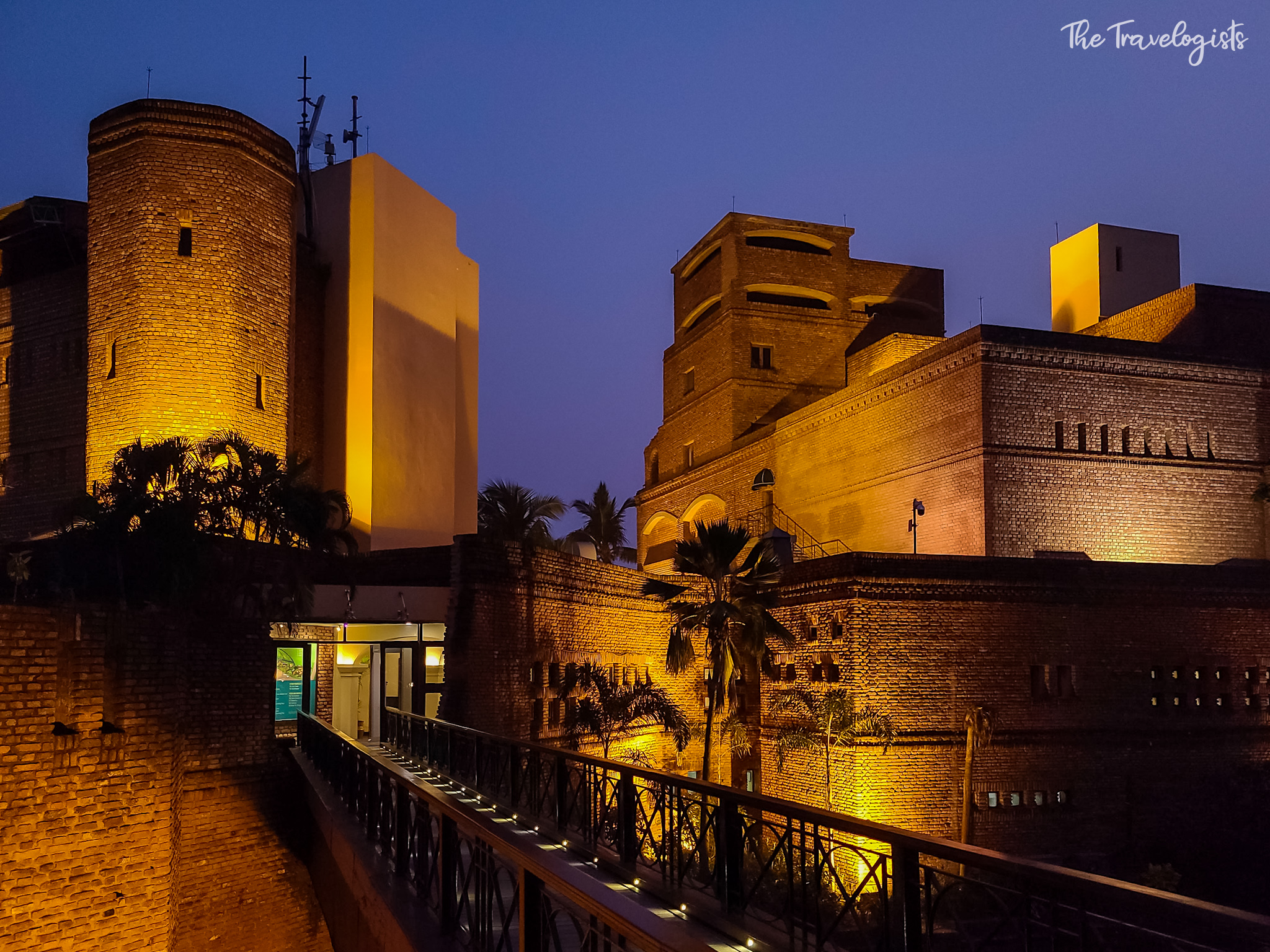
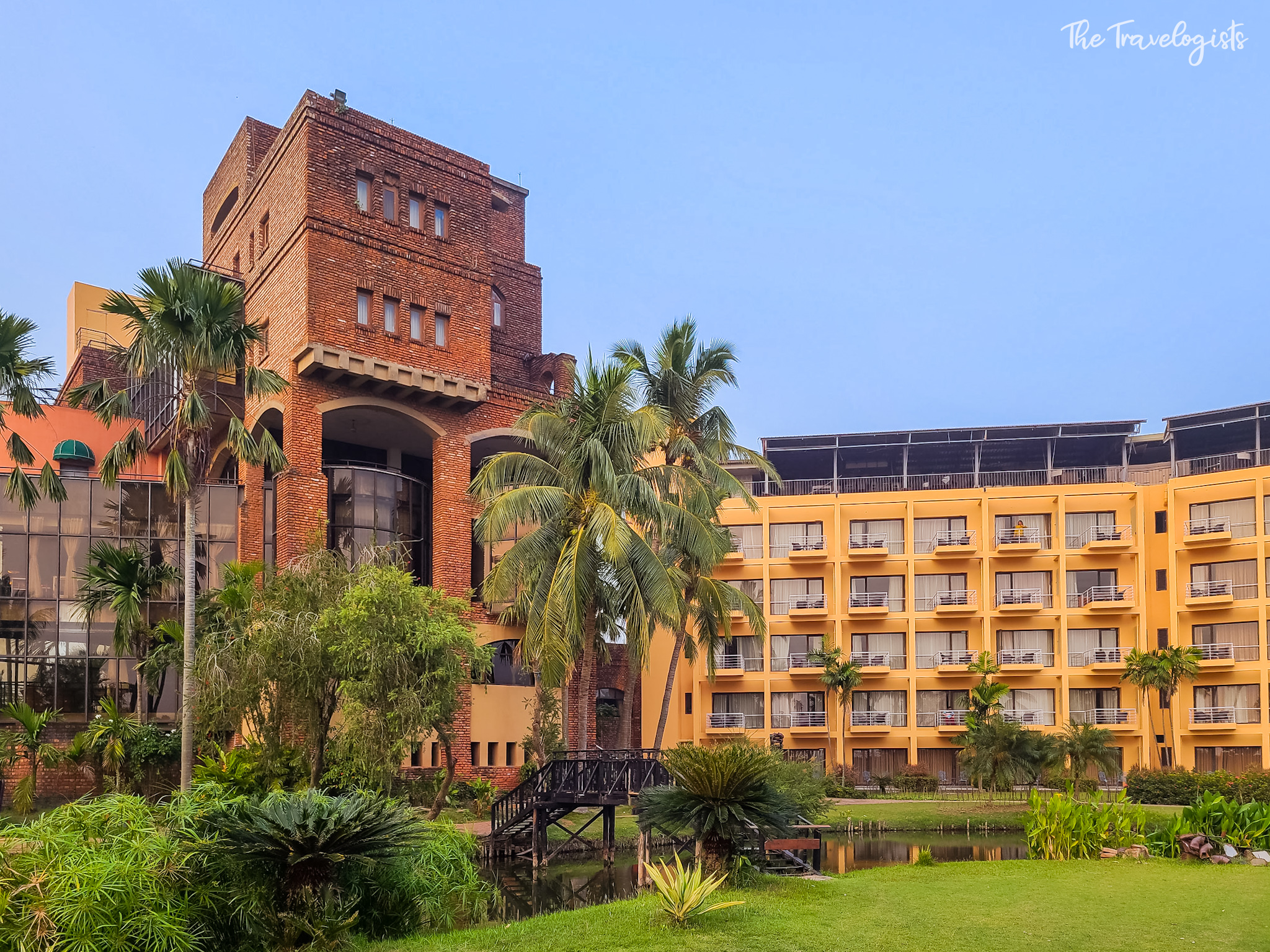
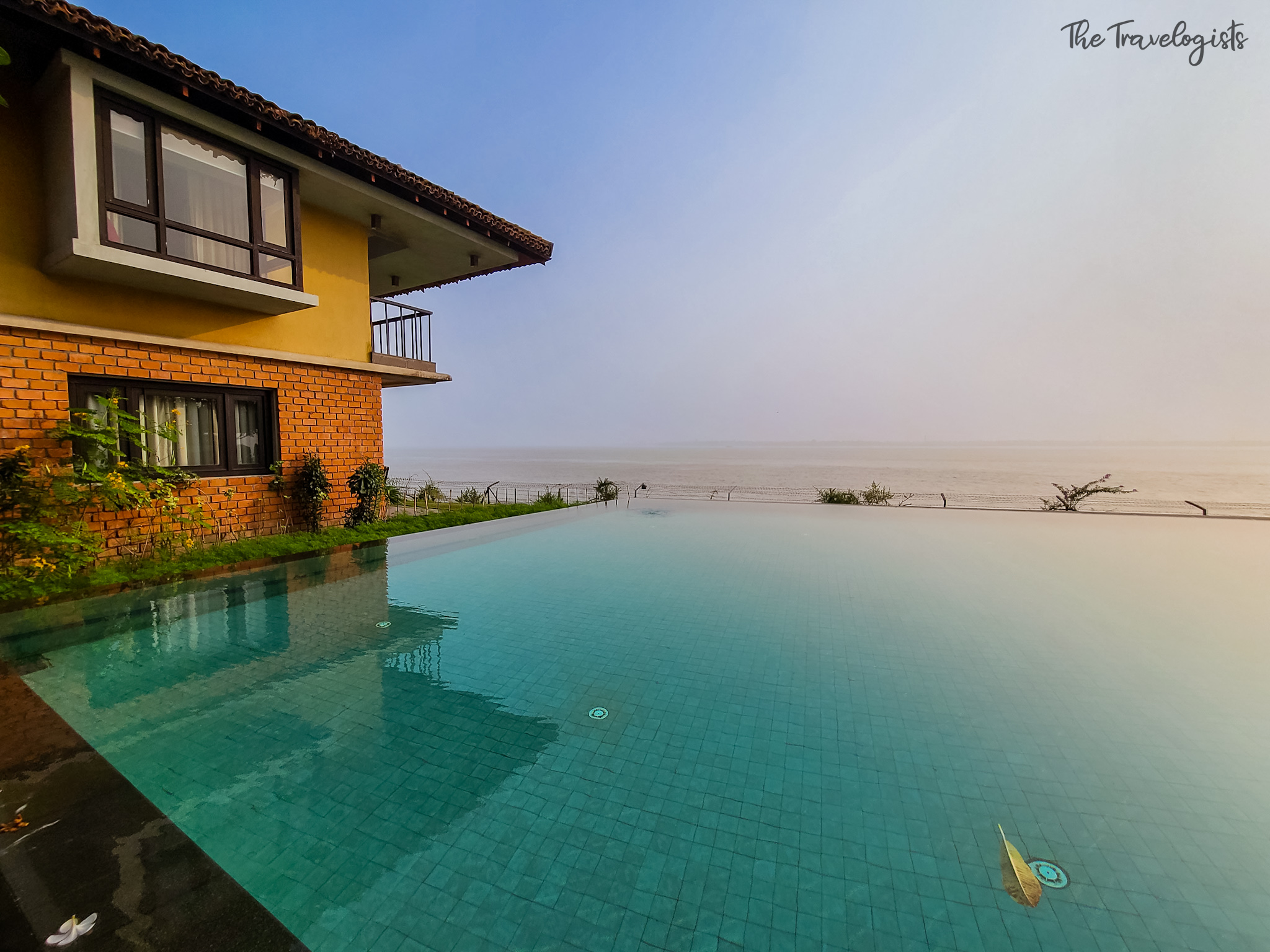
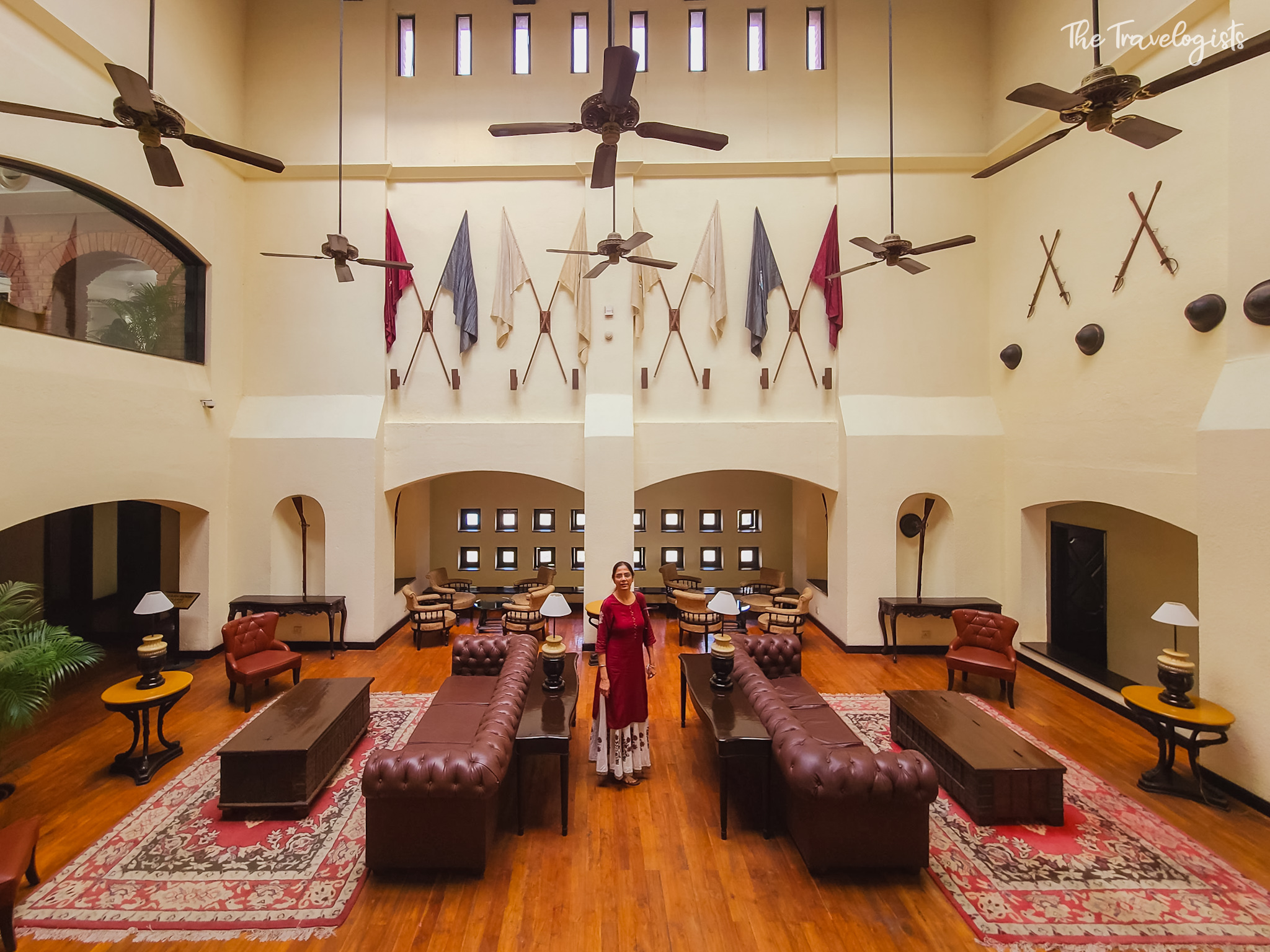
Located on the banks of the river Hooghly, Raichak is a popular weekend destination. We spent a relaxing weekend at the Ffort Raichak, a resort built upon the ruins of an 18th Century British fort in the 90s. The Ffort Raichak is still a beautiful property, but the rooms are beginning to show their age and could do with a much needed renovation.
Highlights:
- Enjoy the scenic views of the river and the tranquil atmosphere
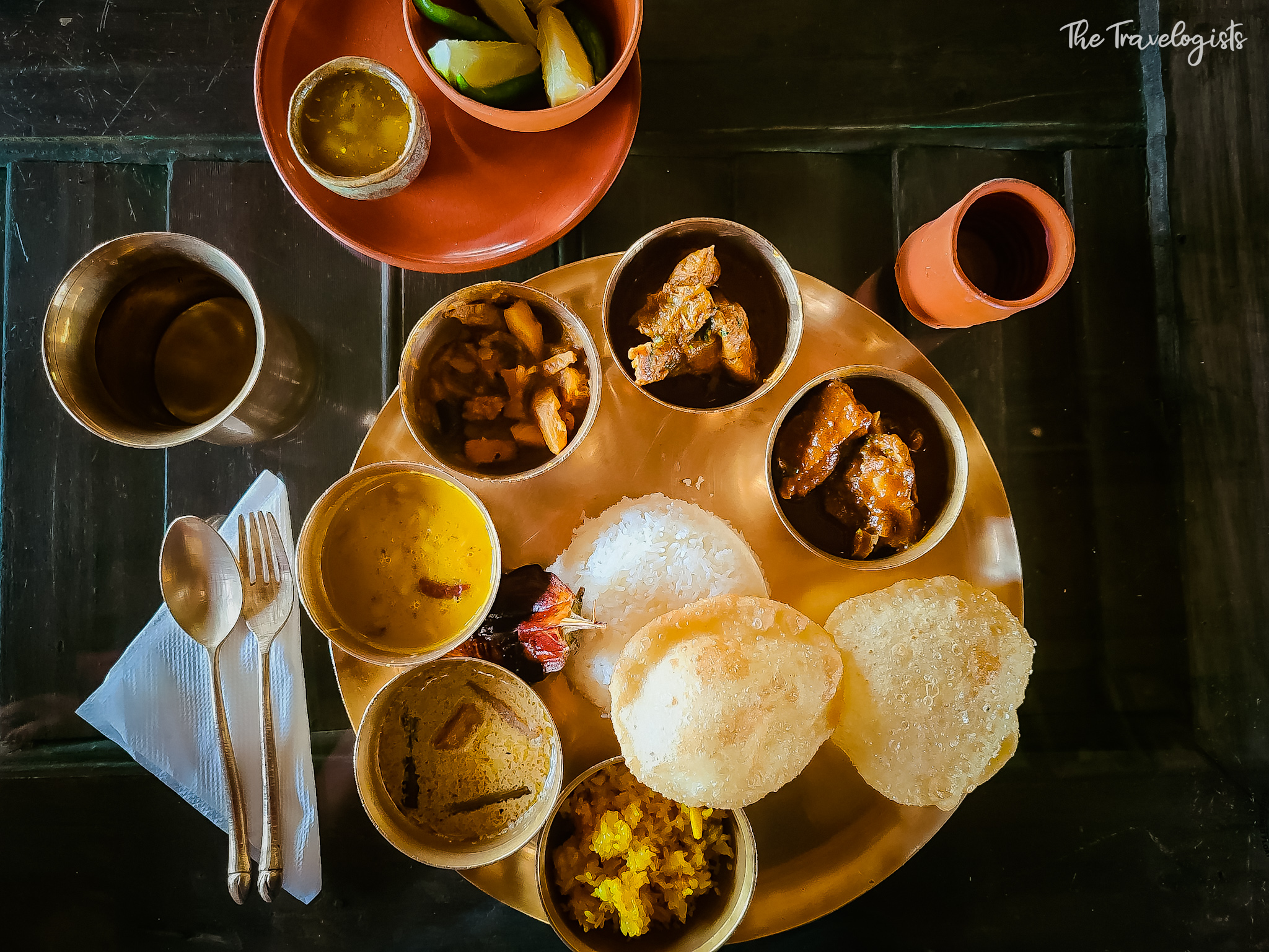
- Enjoy the Bengali lunch thali at Sonar Tori
- Take a boat ride on the river, ideally during sunset
- Take a trip to Diamond Harbor
How to reach:
Drive down the Diamond Harbour Road from Southern Kolkata towards Diamond Harbor. Take a right turn at Sarisha to reach Raichak. Tip: Start early in the morning to avoid the morning market crowds on Diamond Harbor road!
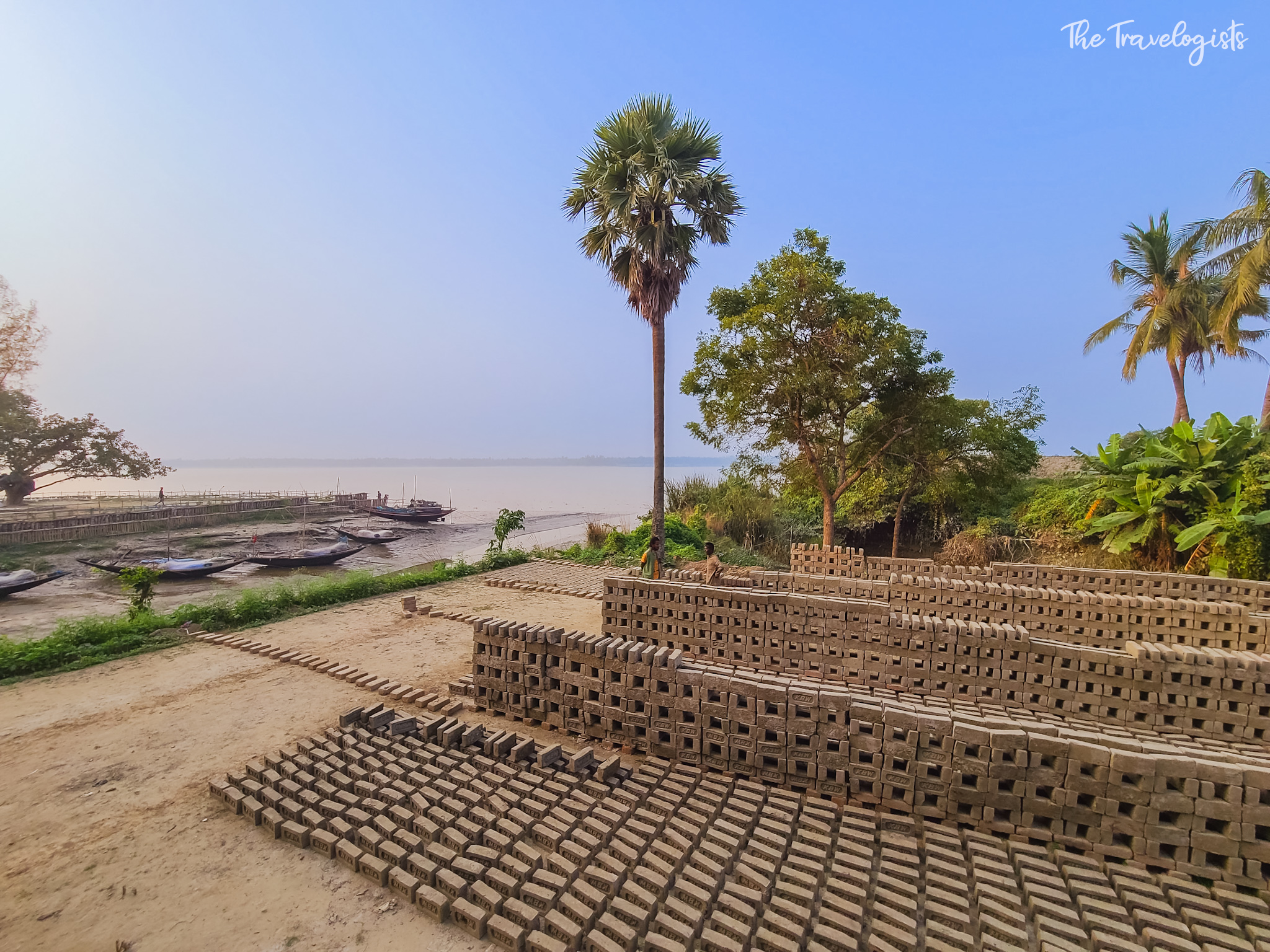
Tip: On the way back, I decided to ditch google maps, and drive on the narrow village road just by the side of the Ganges, with brick kiln factories and villages on both sides. At times the road was on top of the embankment along the river, making the drive very beautiful. See the map for the route we took back.
Where to stay:
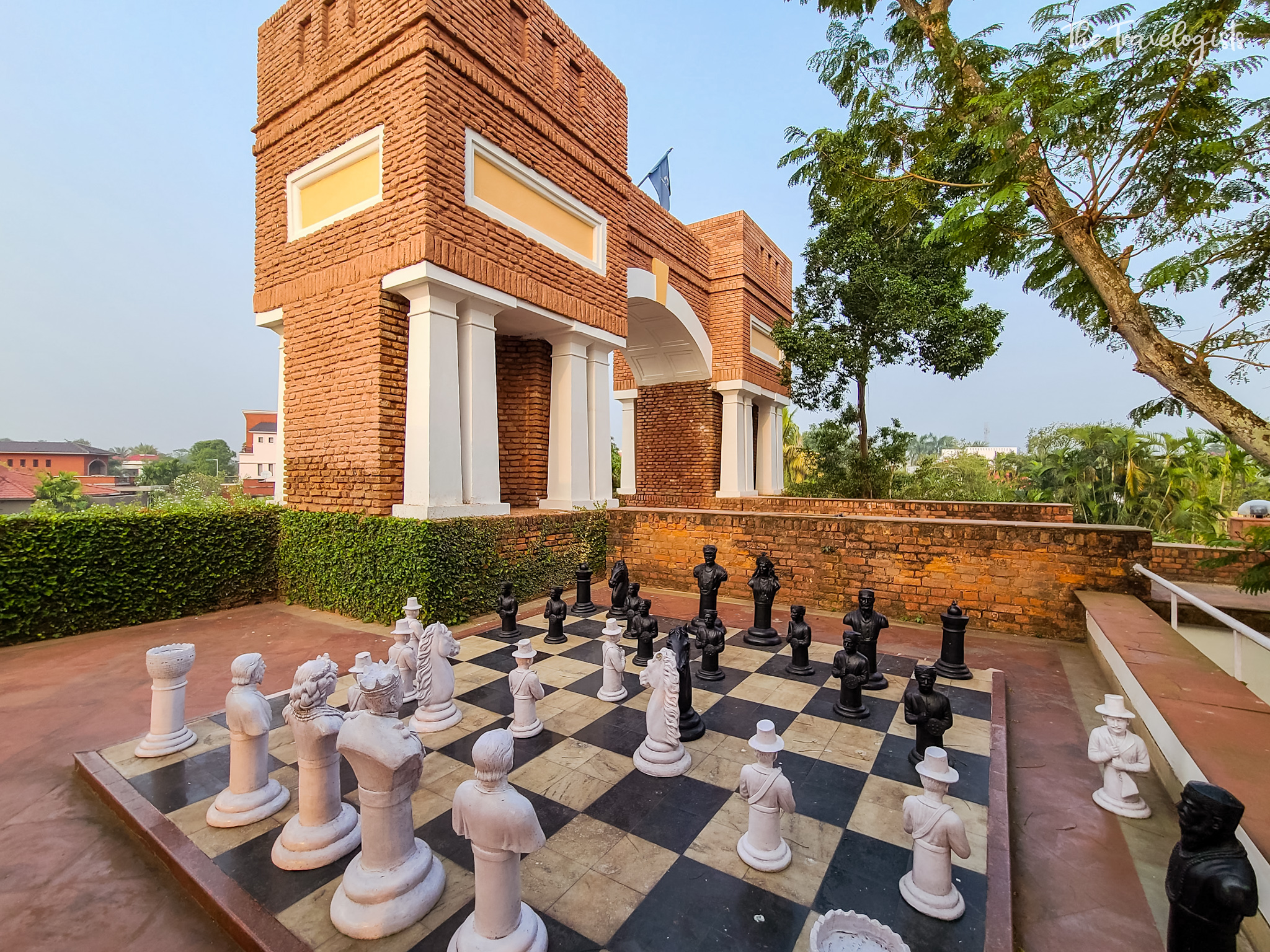
Stay at one of Ambuja Neotia properties – Ffort Raichak, Ganga Kutir or Anaya
Sundarban
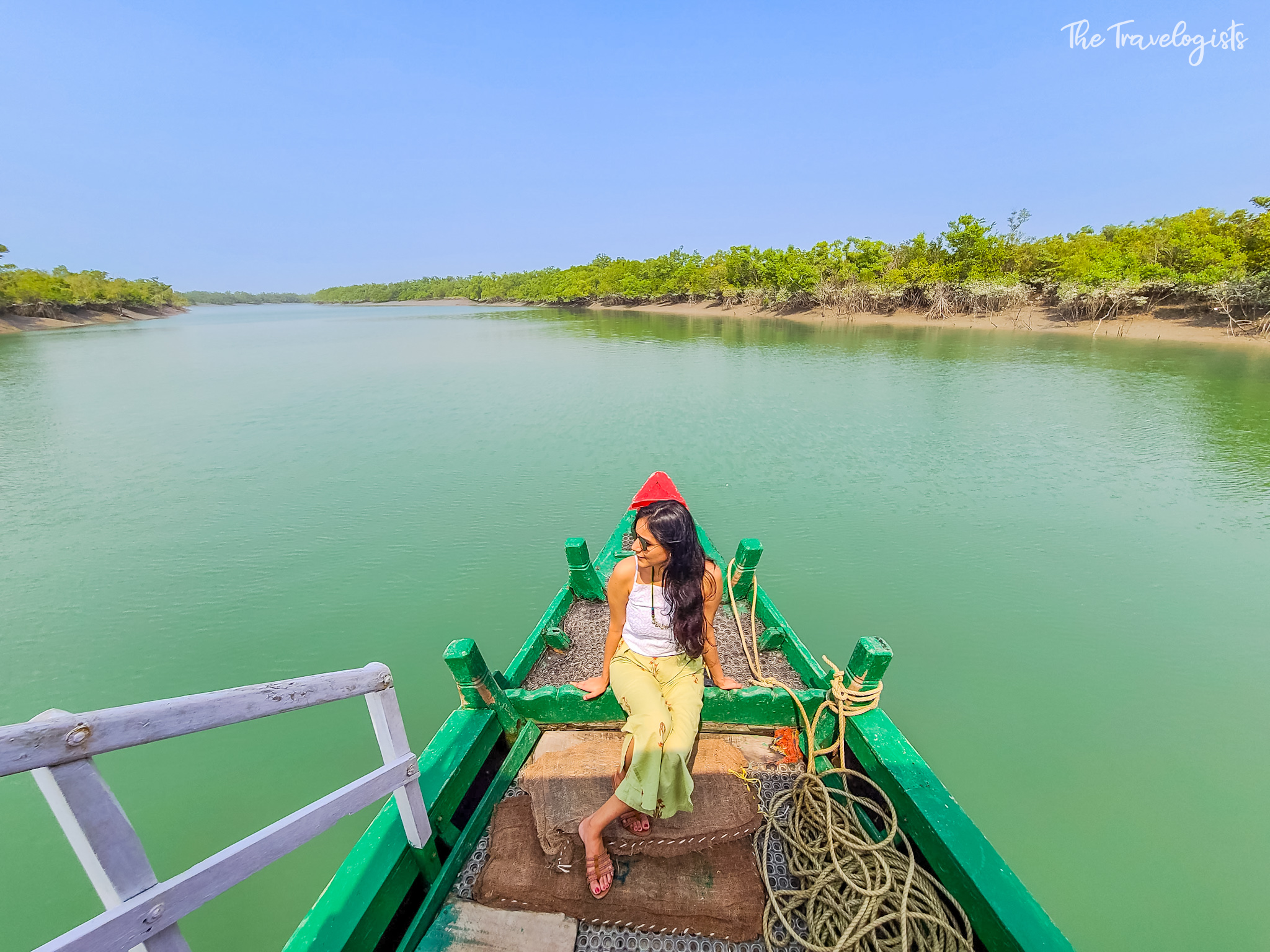
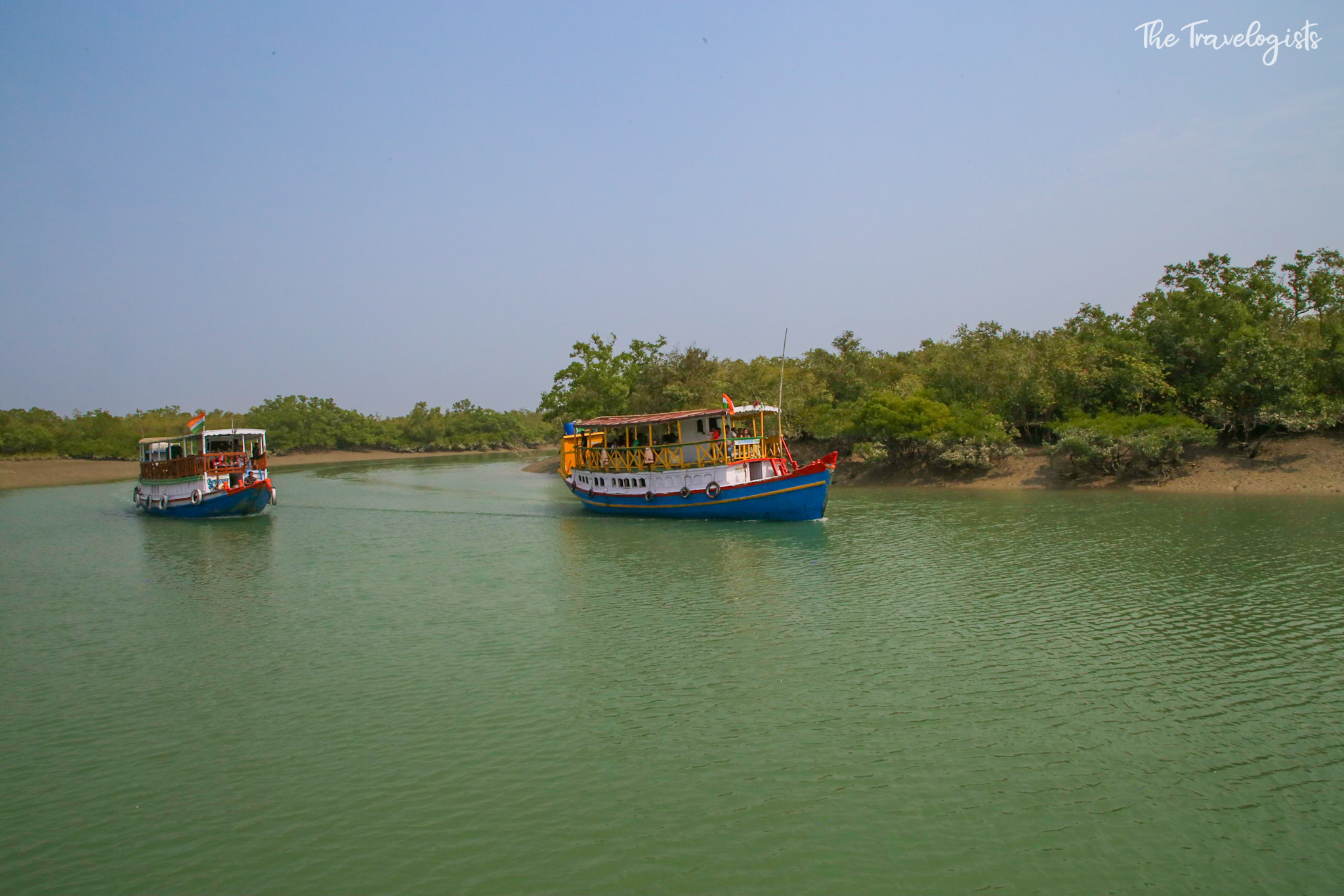
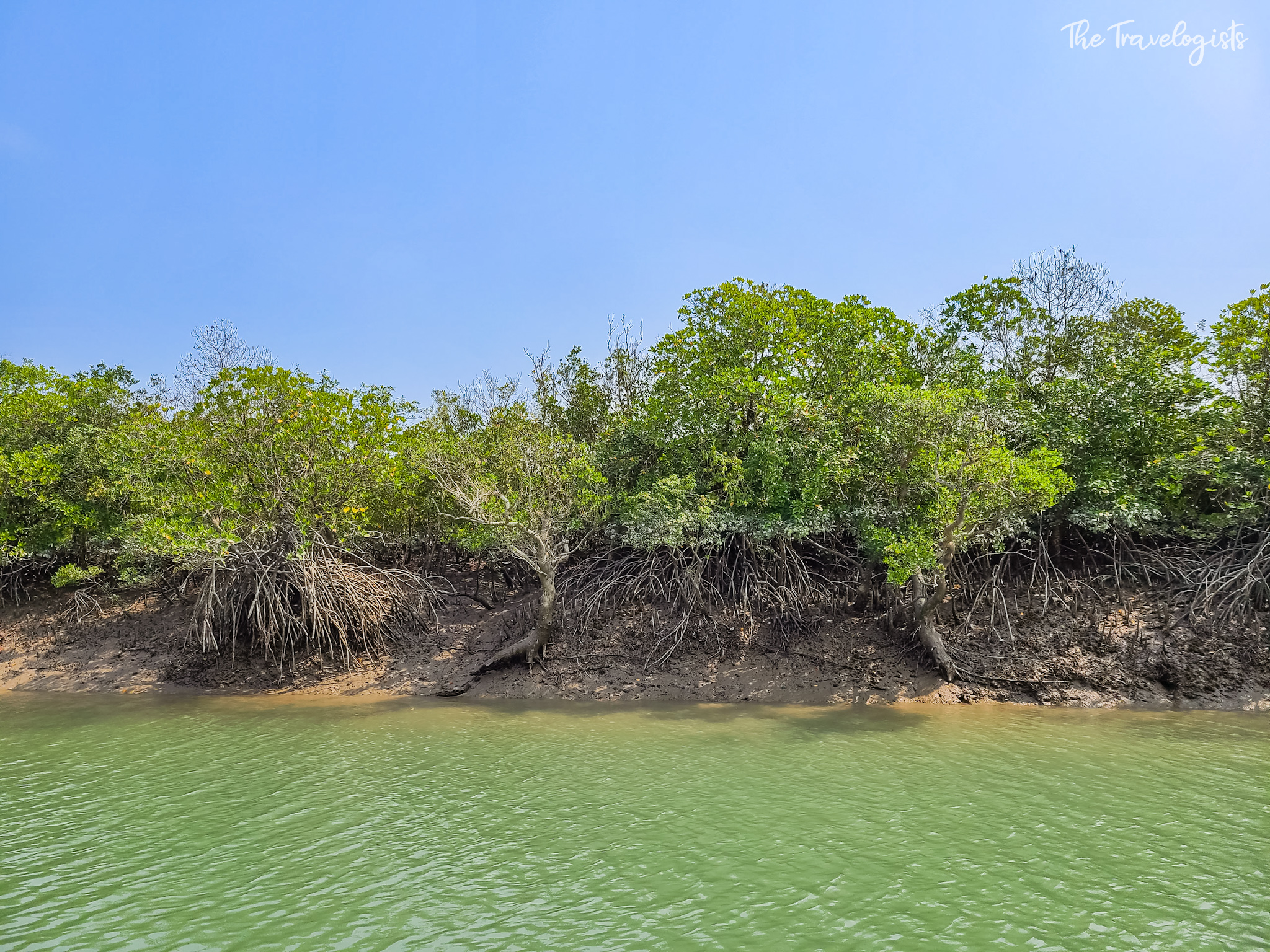
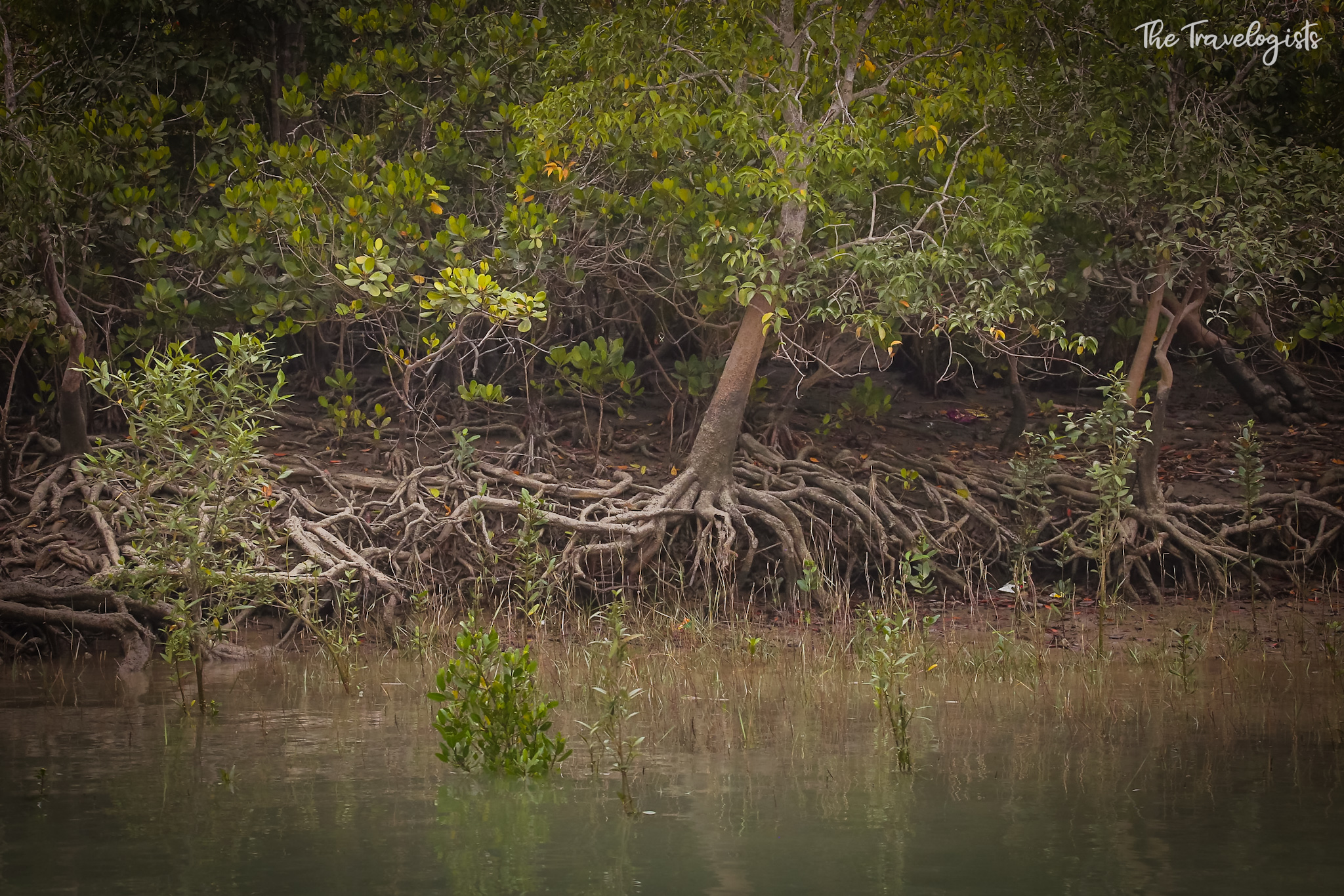
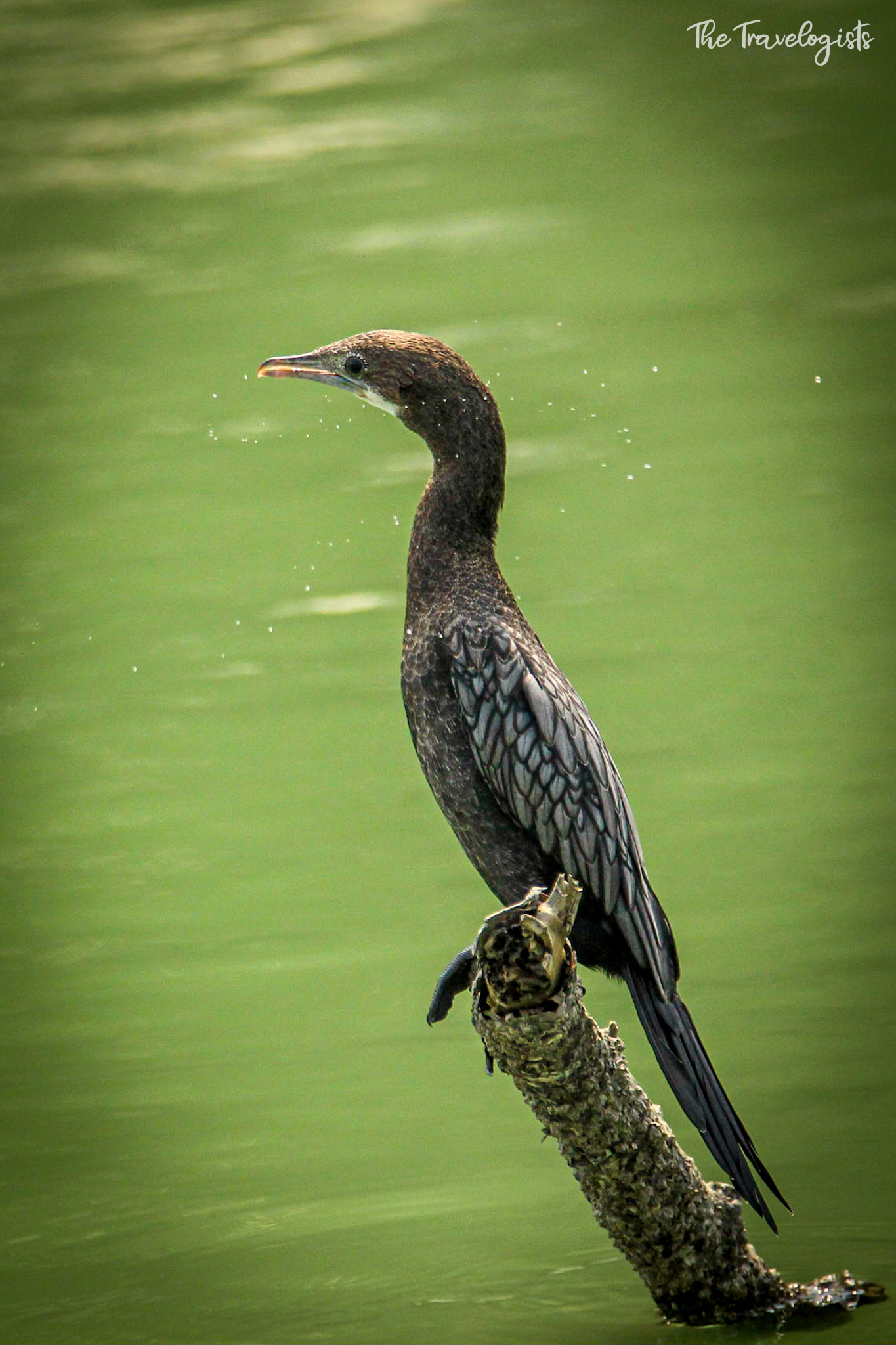
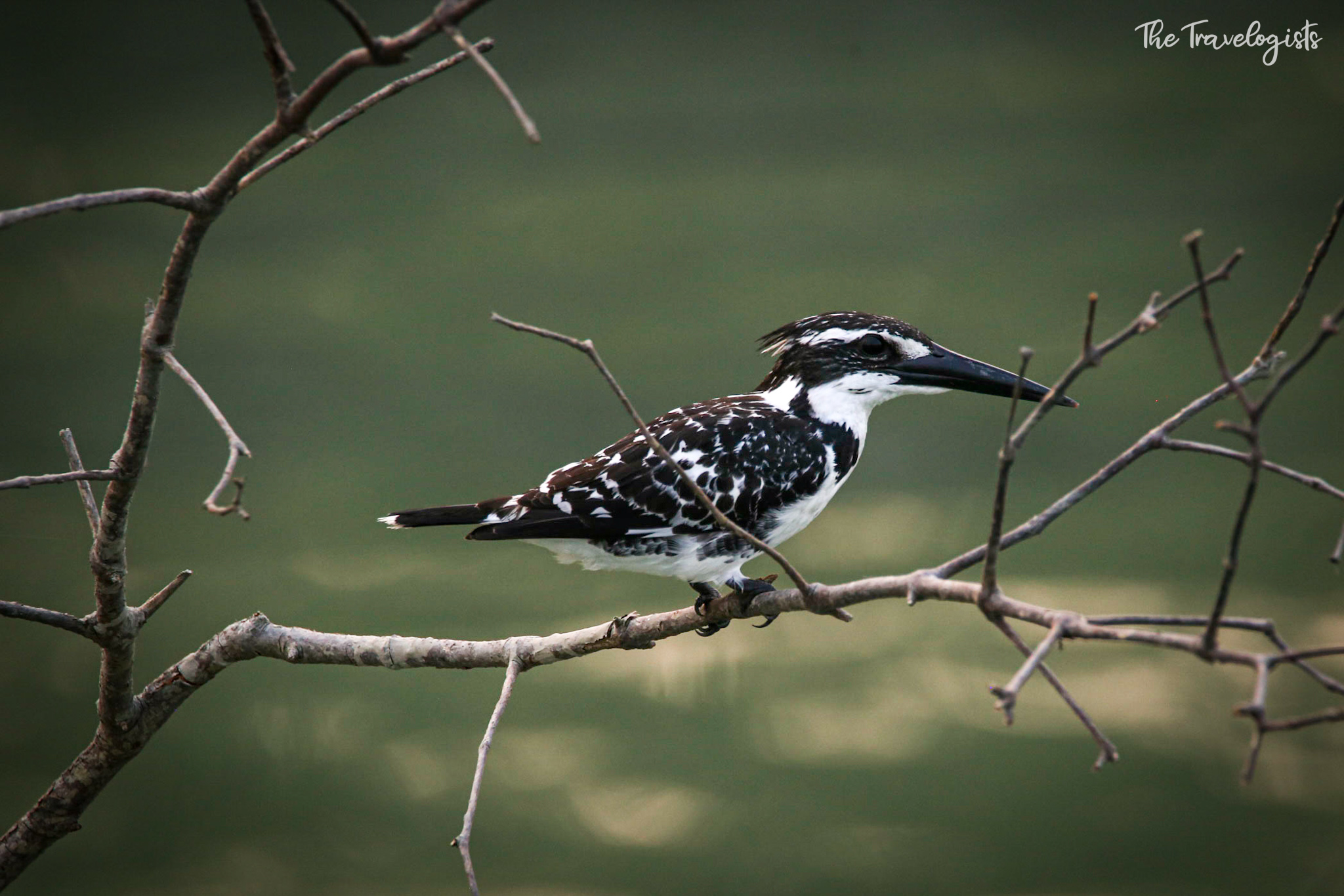
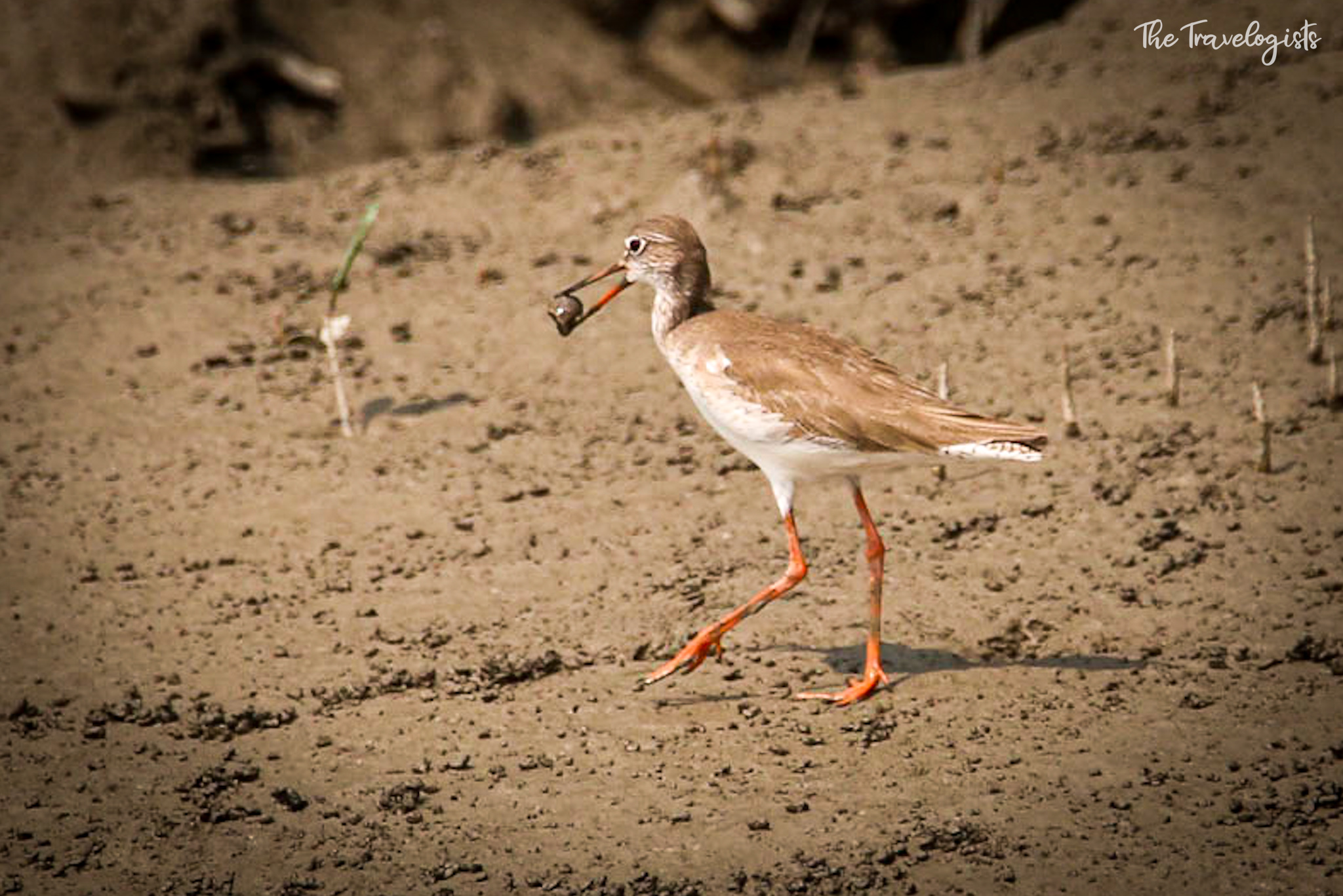
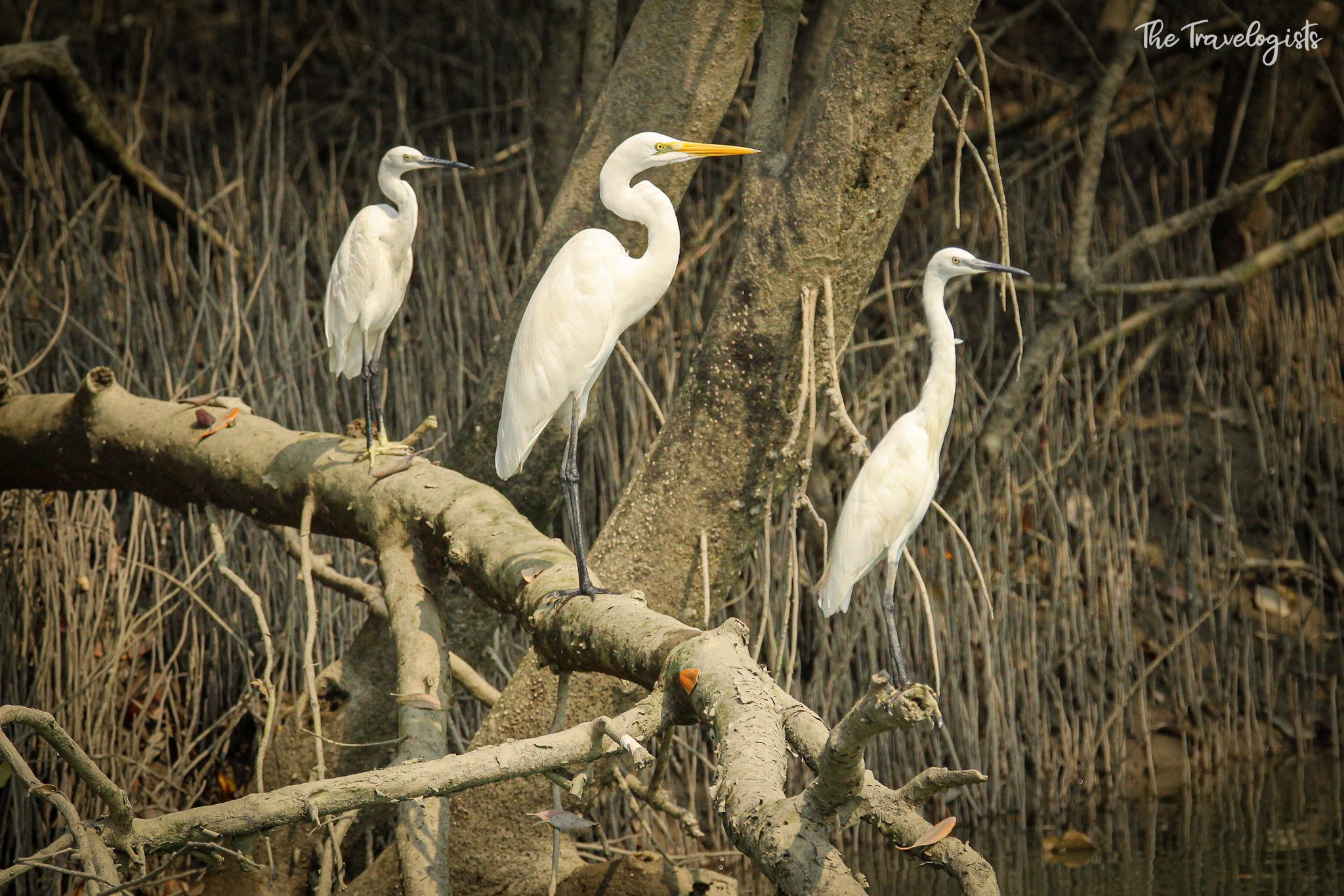
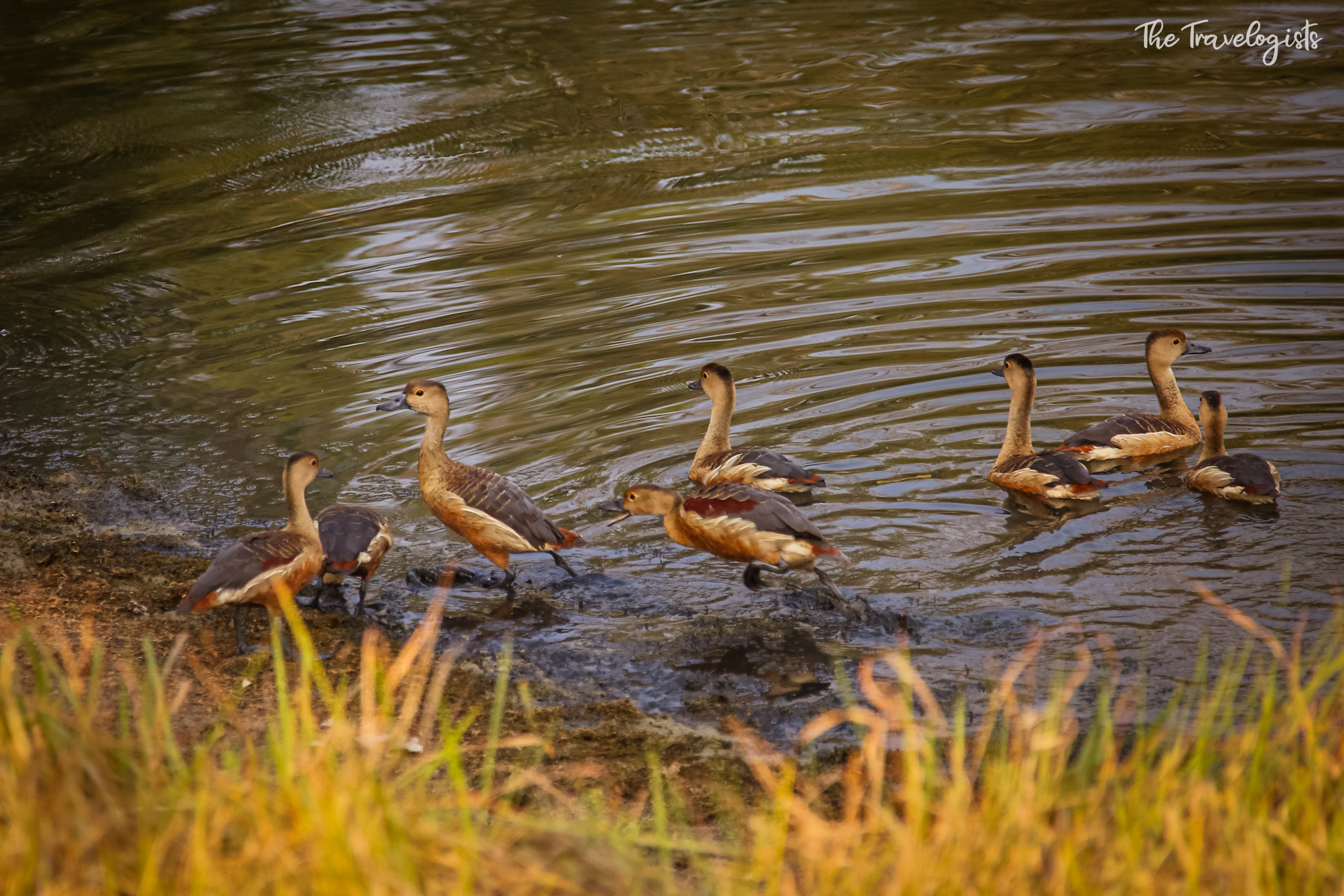
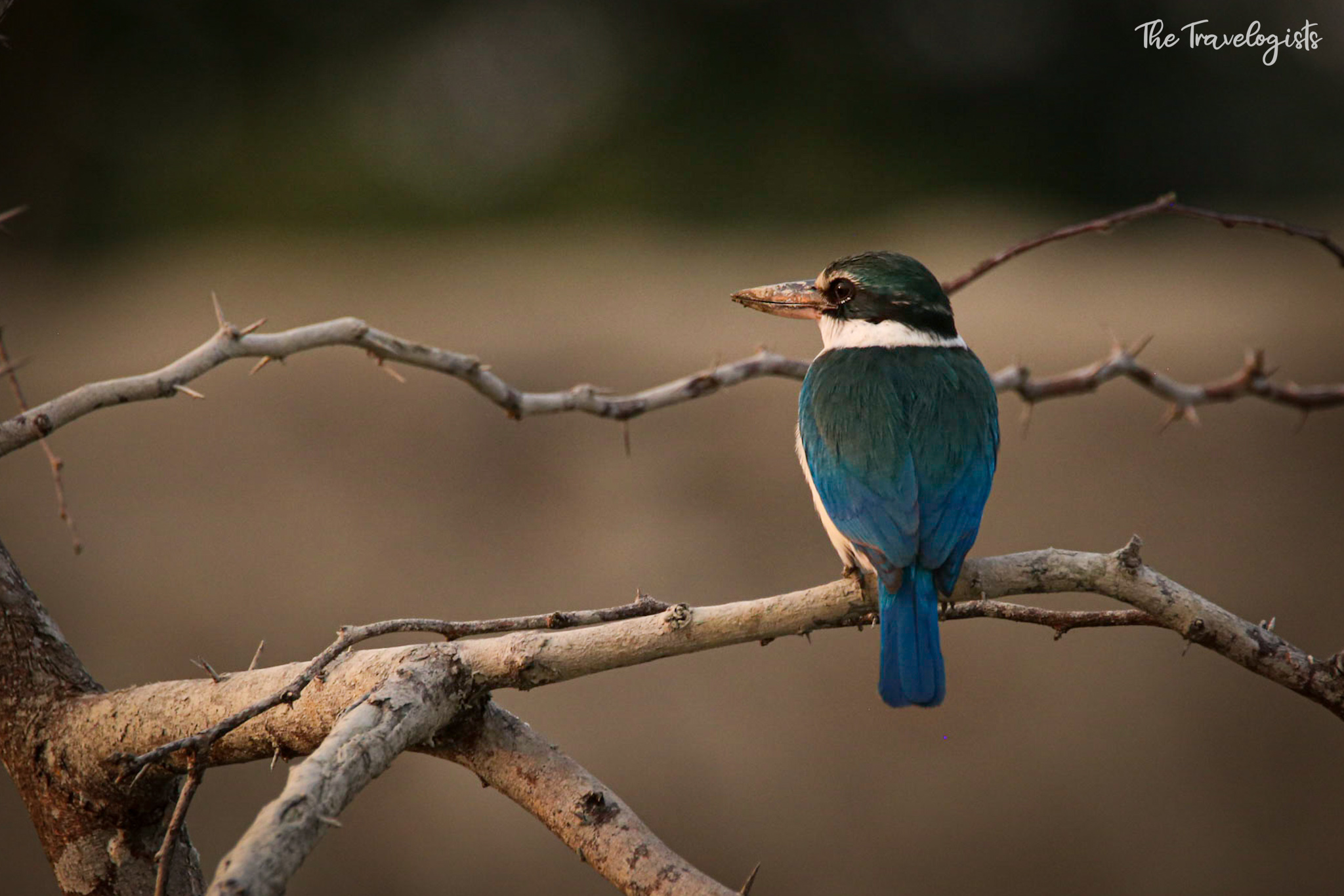
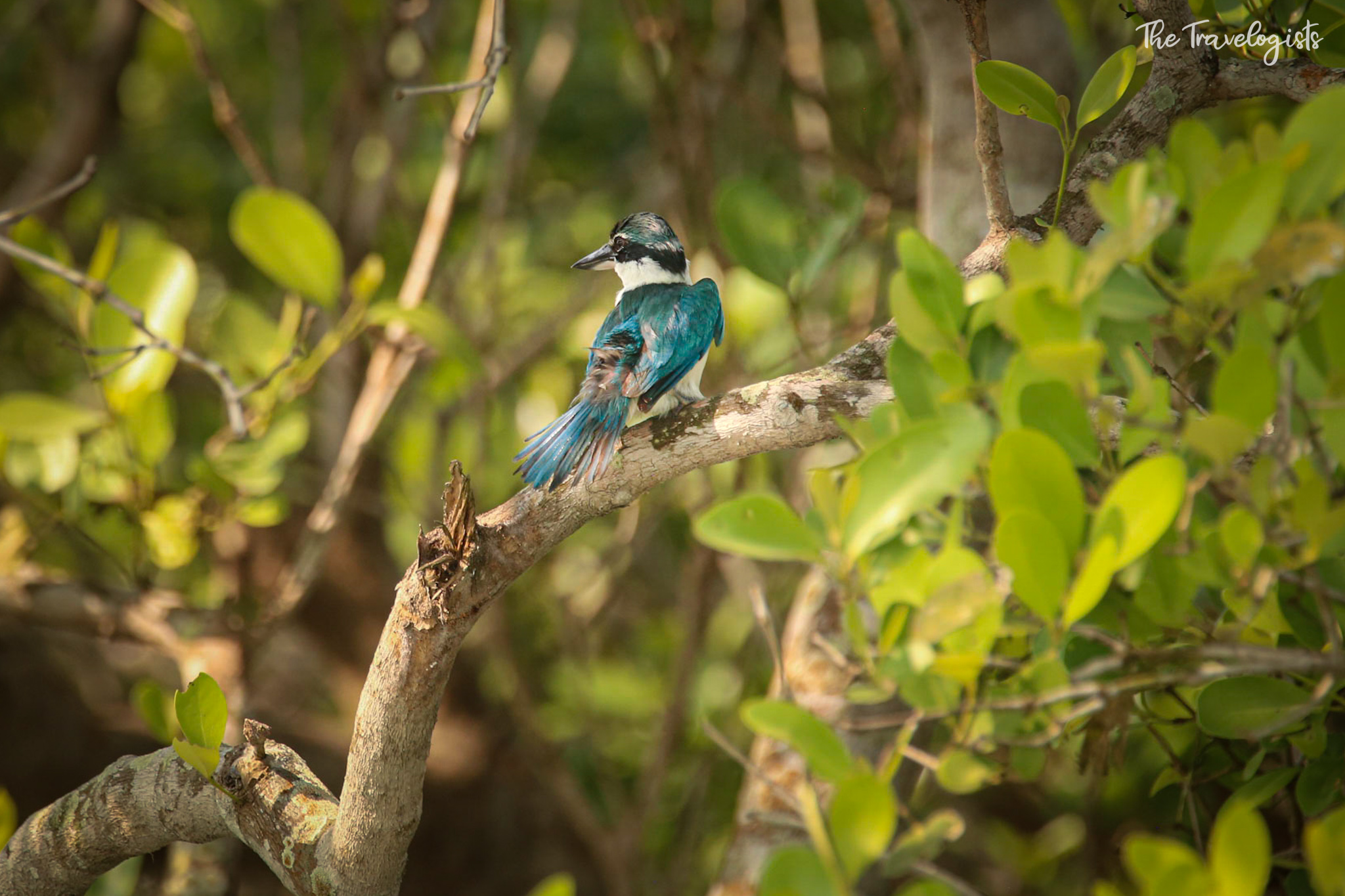
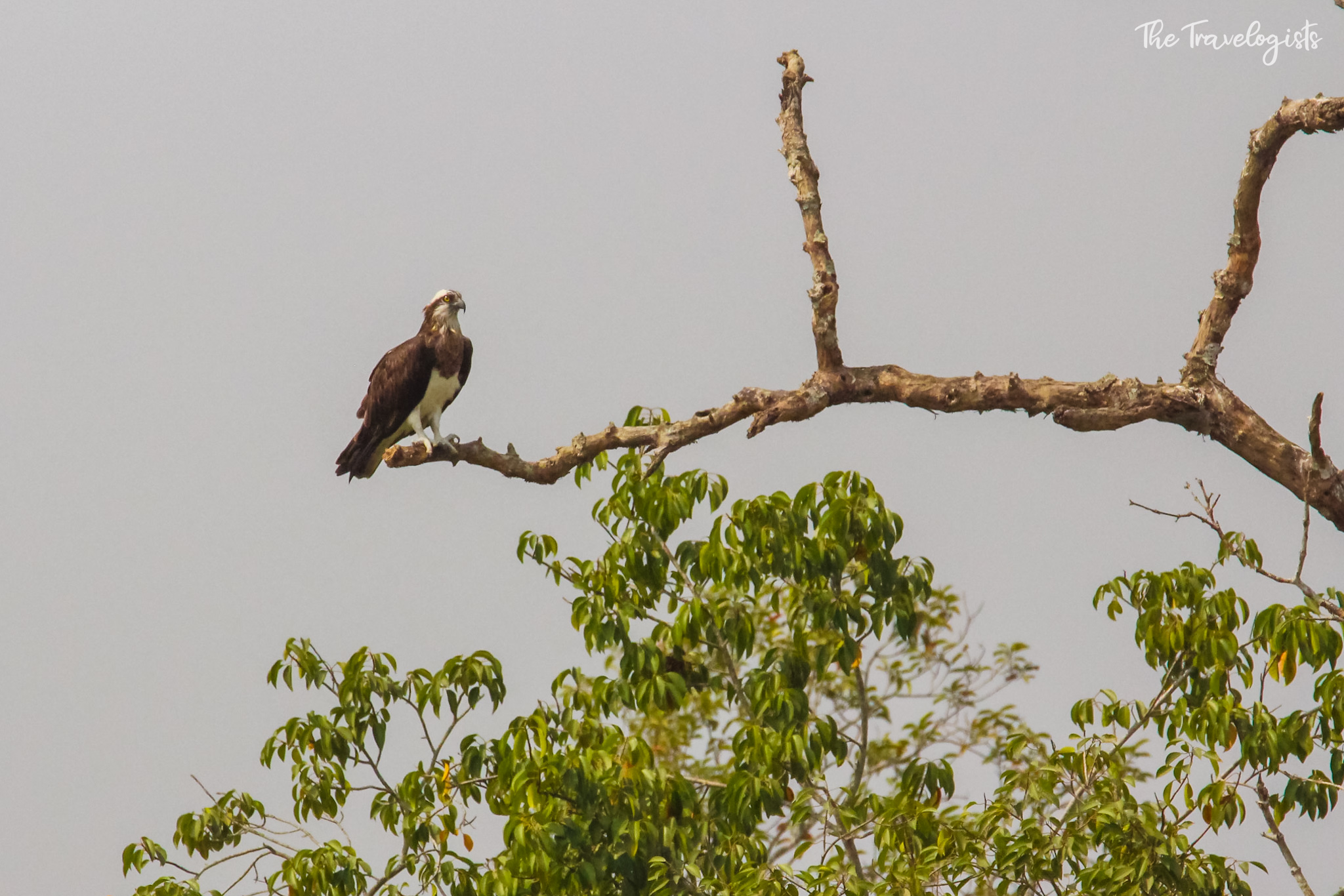
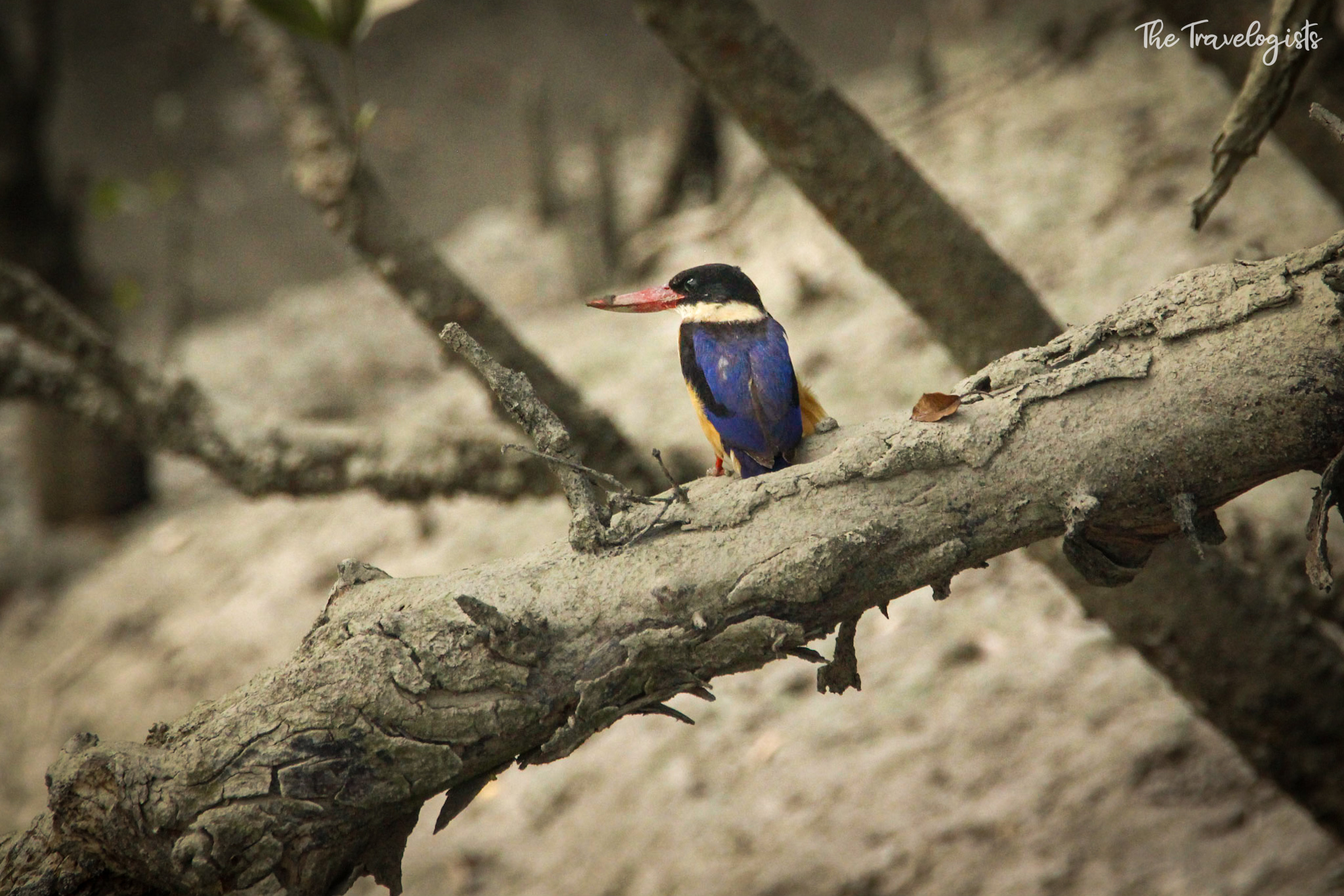
A UNESCO World Heritage Site, Sundarbans is the largest mangrove forest in the world. Sundarbans consists of 4000+ sq. km of virgin mangrove forests in the delta of the rivers Ganga, Brahmaputra and Meghna, crisscrossed by hundreds of creeks and tributaries. The possibility of sighting the mighty Royal Bengal tiger makes this forest especially alluring! The Sundarbans is also a bird watcher’s paradise.
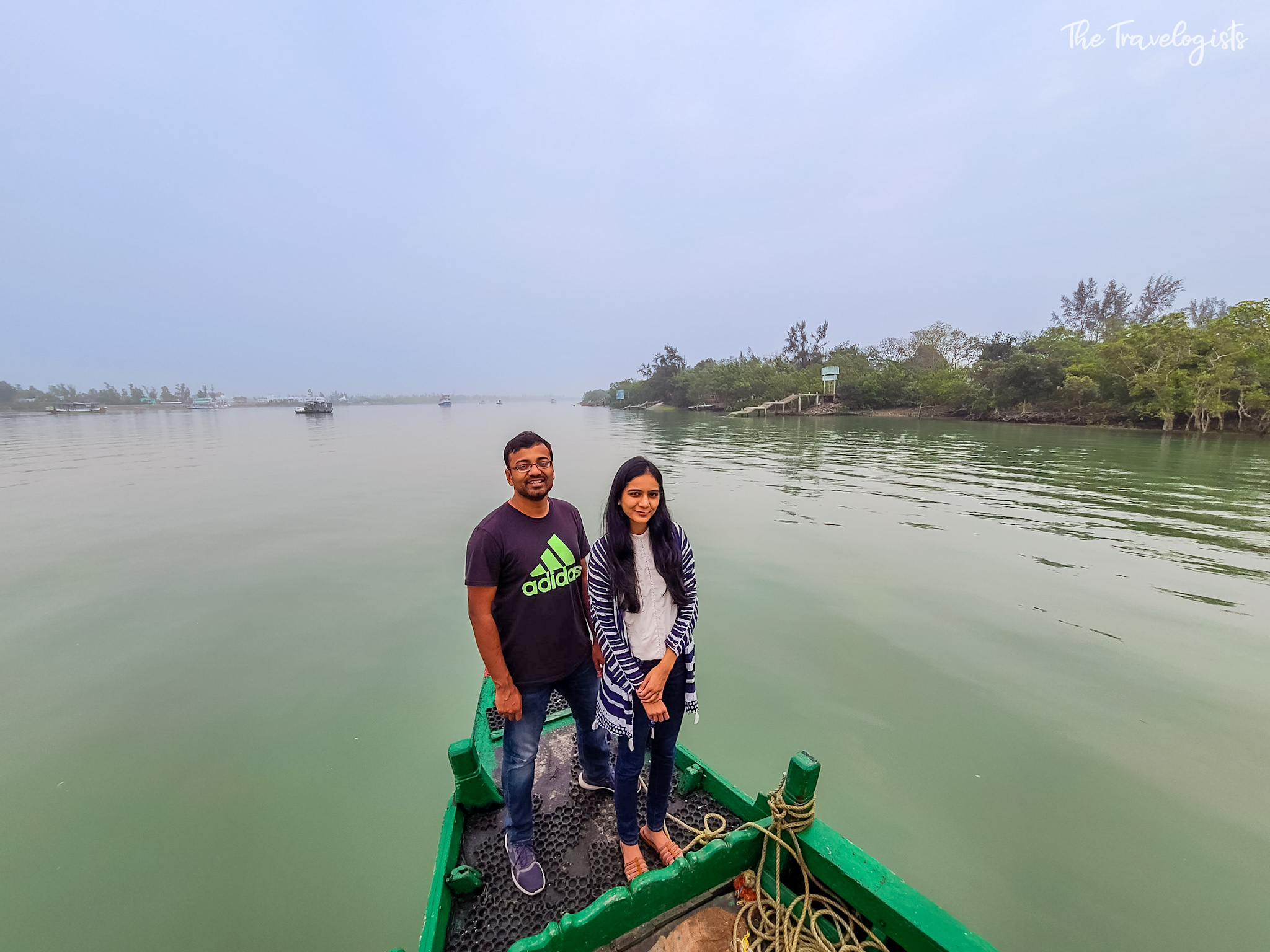
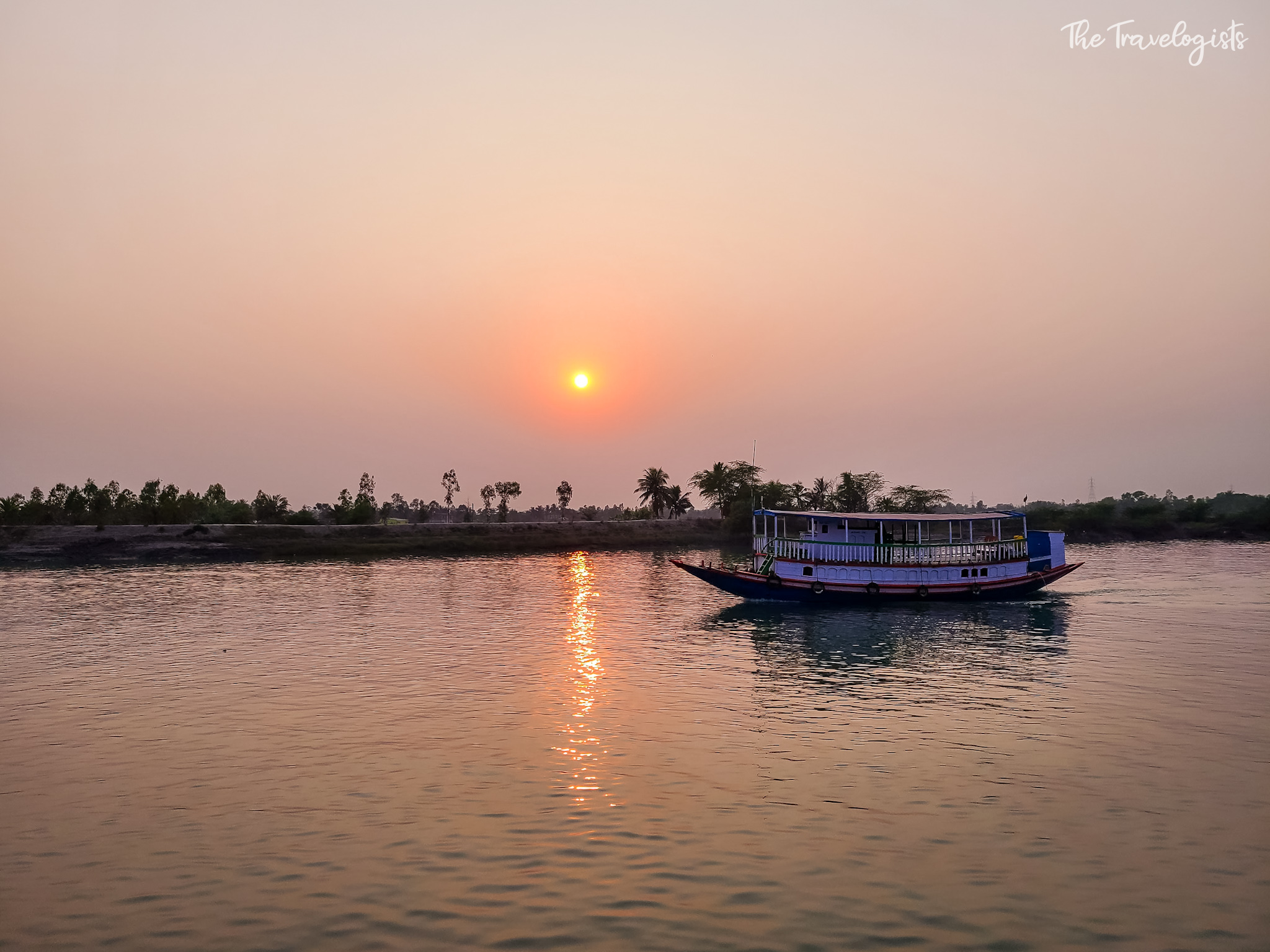
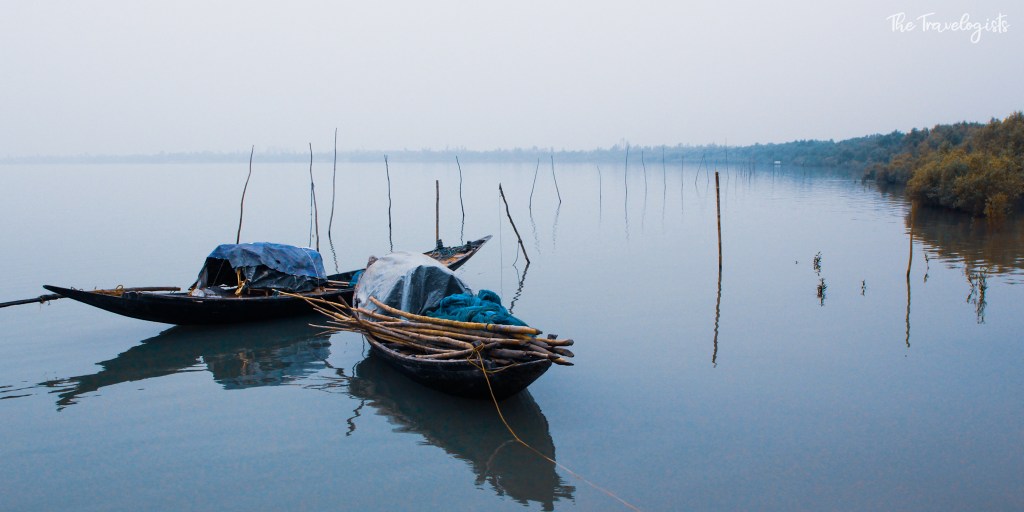
The Sundarbans can only be explored by boats, and hence some planning is required before one can embark on a trip to the Sundarbans. Many tour companies conduct organized boat tours in the Sundarbans, however it is extremely difficult to differentiate among the various tour companies. We stayed at the Hotel Sonar Bangla Sundarban, and our tours were organized by the hotel – we highly recommend their services!
Highlights:
- Marvel at the world’s largest deltaic mangrove forest, a truly unique ecosystem
- Scout for one of India’s most famous symbols, the Royal Bengal tiger
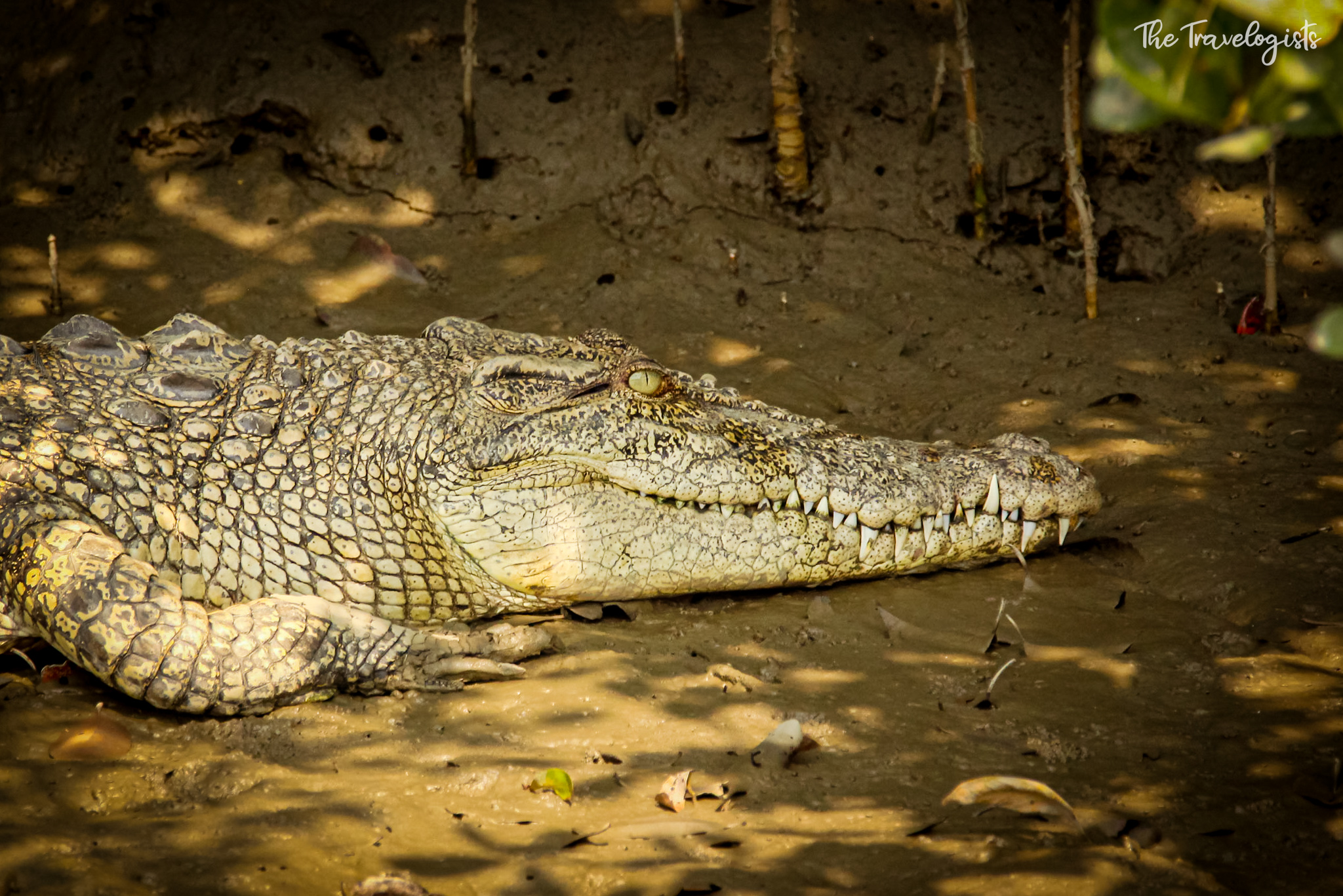
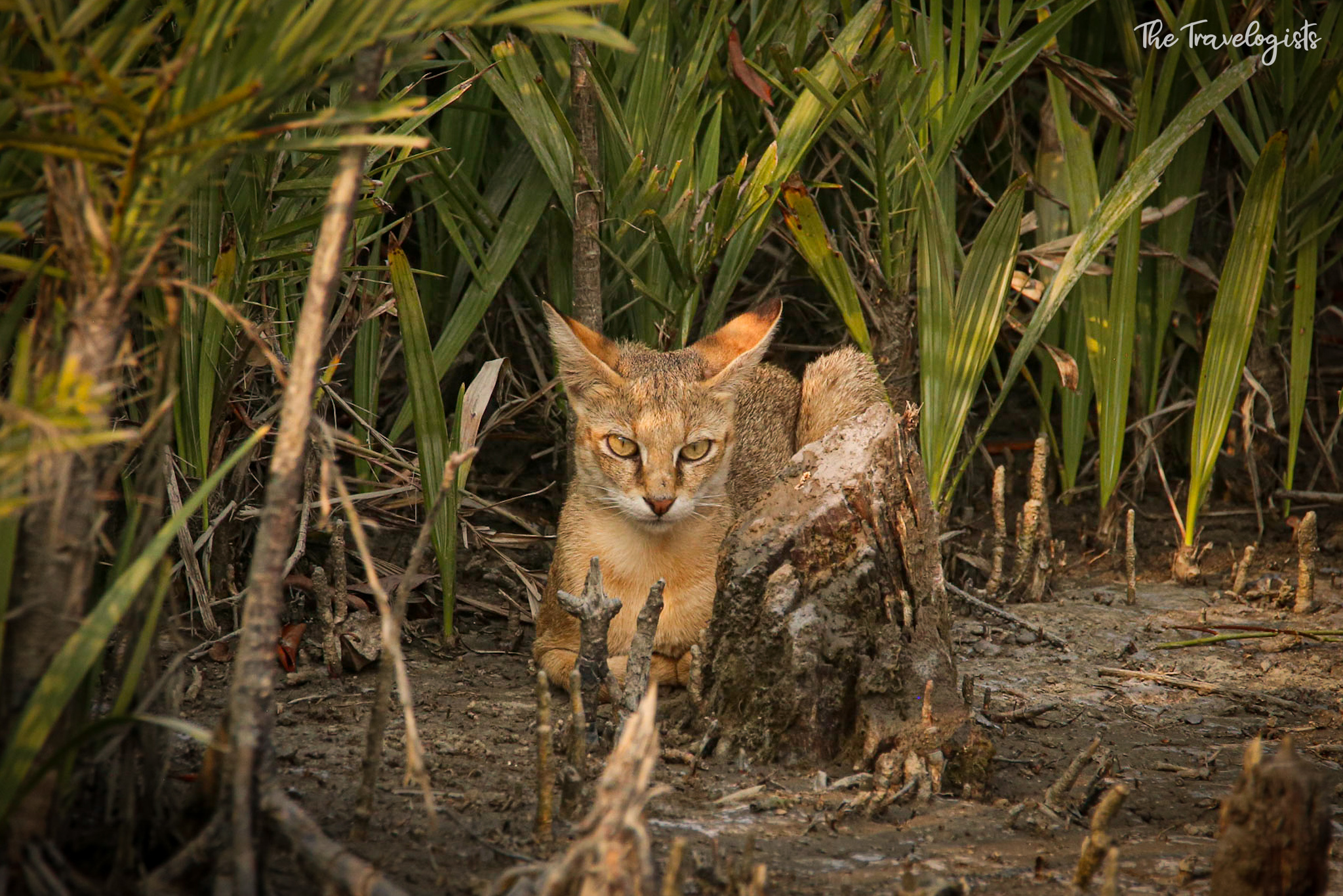
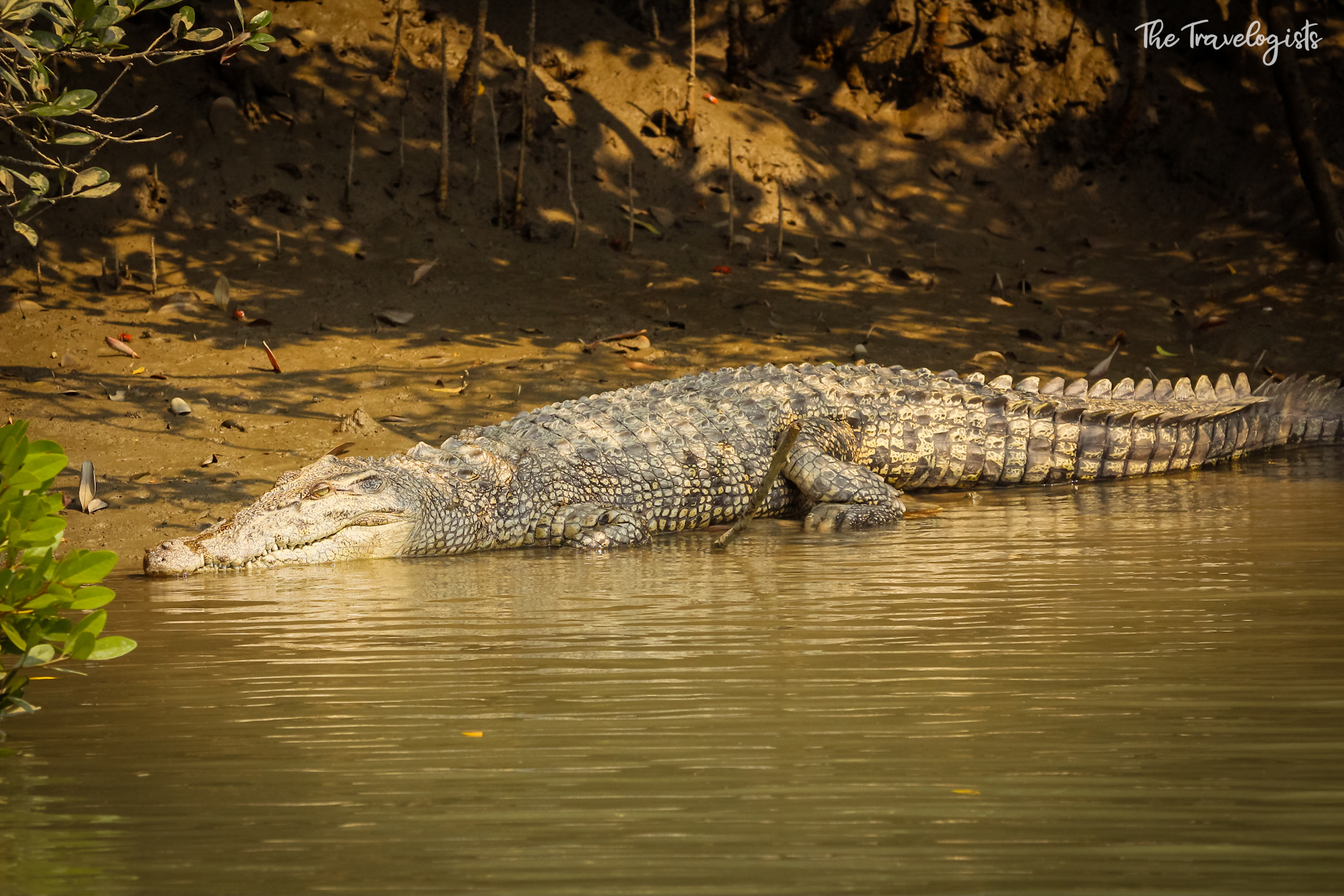
- Watch out for other wildlife, including saltwater crocodiles, different types of deer, wild cats, monkeys, etc. You will see many types of birds as well!
- Visit the few watch towers within the National parks, among the few places where you can disembark your boat.
How to reach:
There are many ways to reach the Sundarbans, and you will need to find out from your hotel or tour operator the pick up point. We followed Google Maps to Godkhali Ferry Ghat, where parking is available. Our hotel picked us up from Godkhali Ferry Ghat, and it is a beautiful two hour boat ride to the hotel from Godkhali Ferry Ghat.
Where to stay:
Being a very popular tourist destination, there are many different accommodation options in Sundarbans to cater to every budget and preference. We stayed at one of the newest properties, Hotel Sonar Bangla Sundarban which provided us with a very comfortable stay. The hotel also organized all our boat safaris, guides, forest entry permits etc. We will highly recommend this property for your Sundarban trip.
Khirai – Valley of Flowers
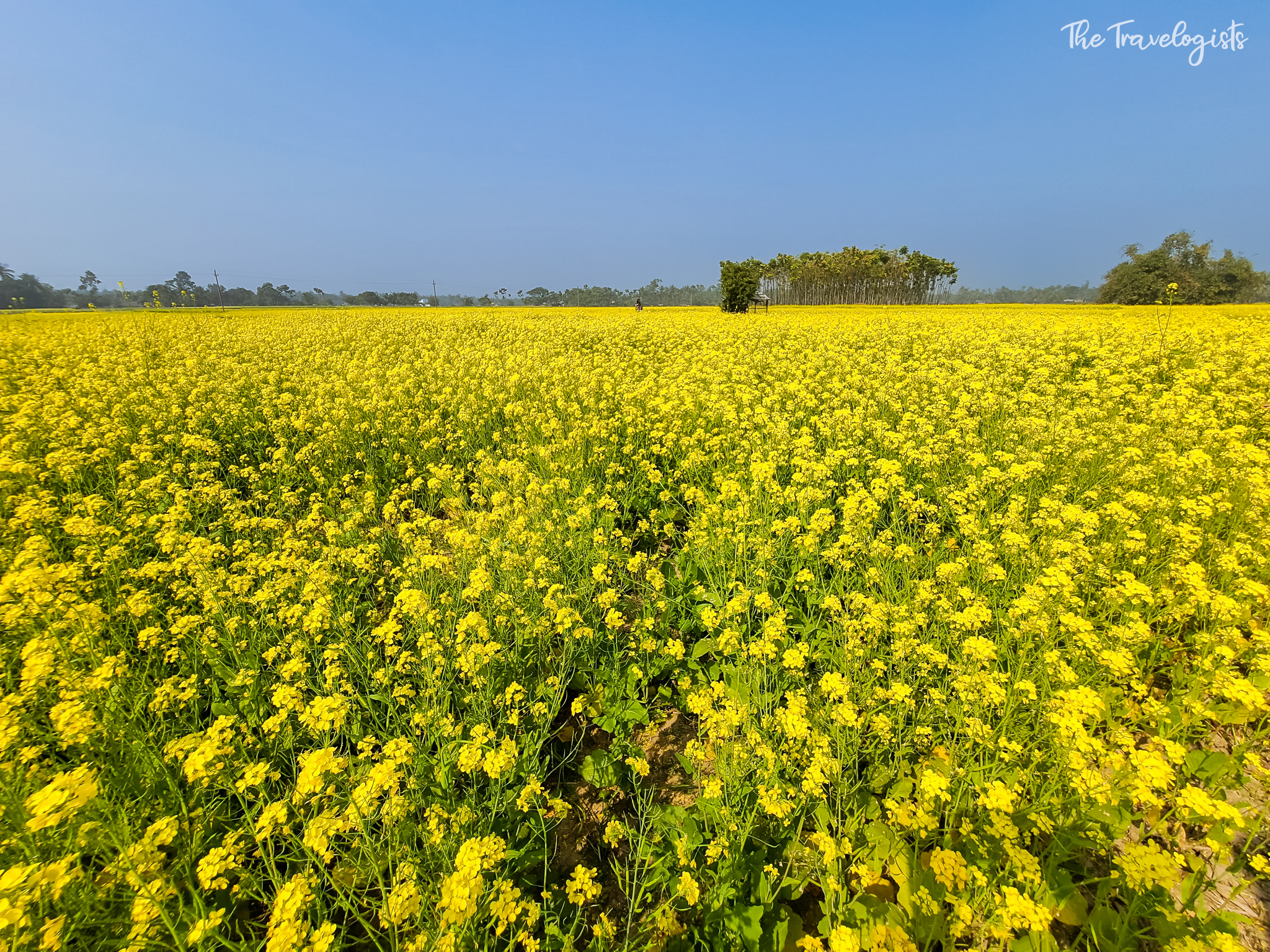
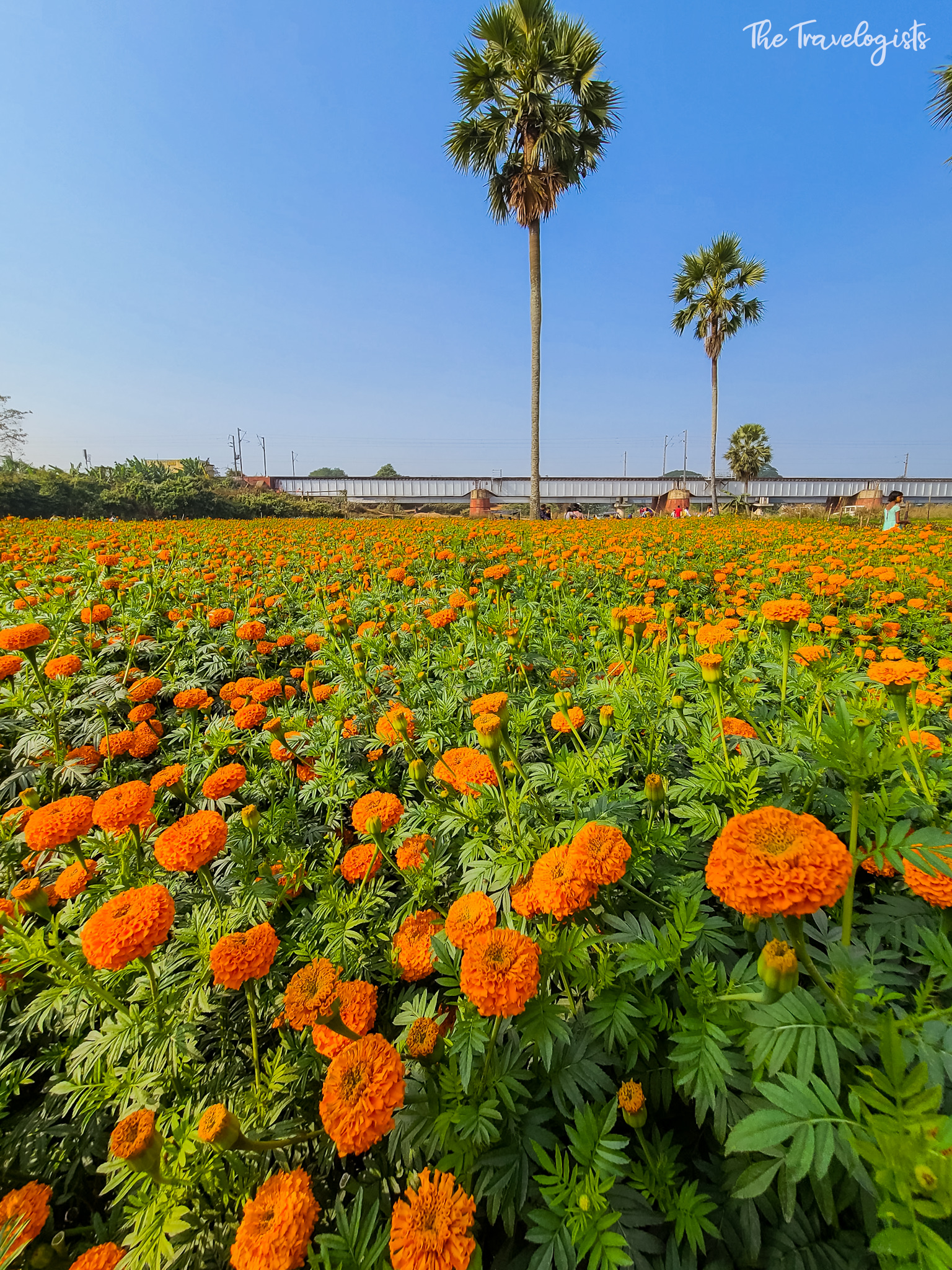
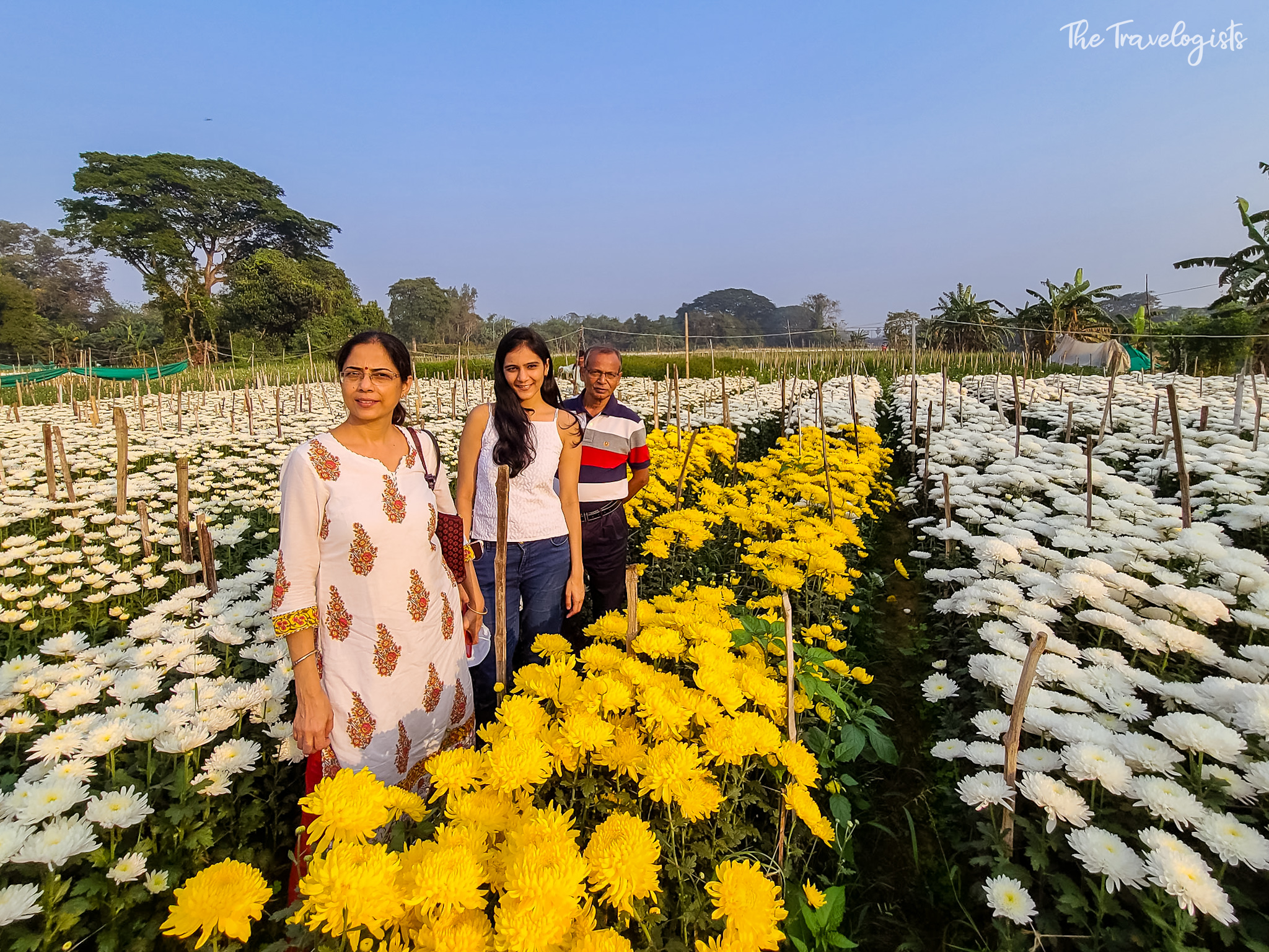
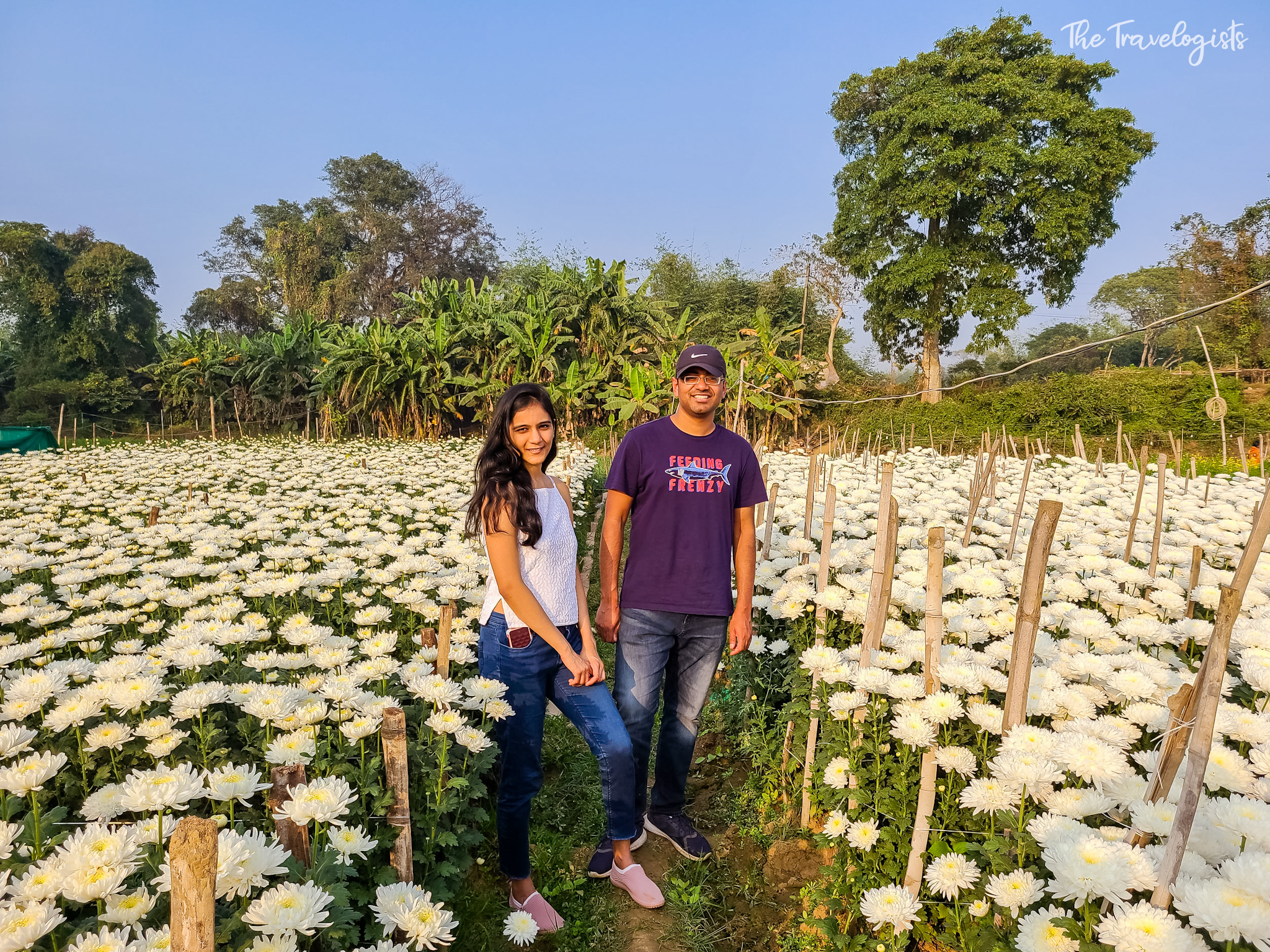
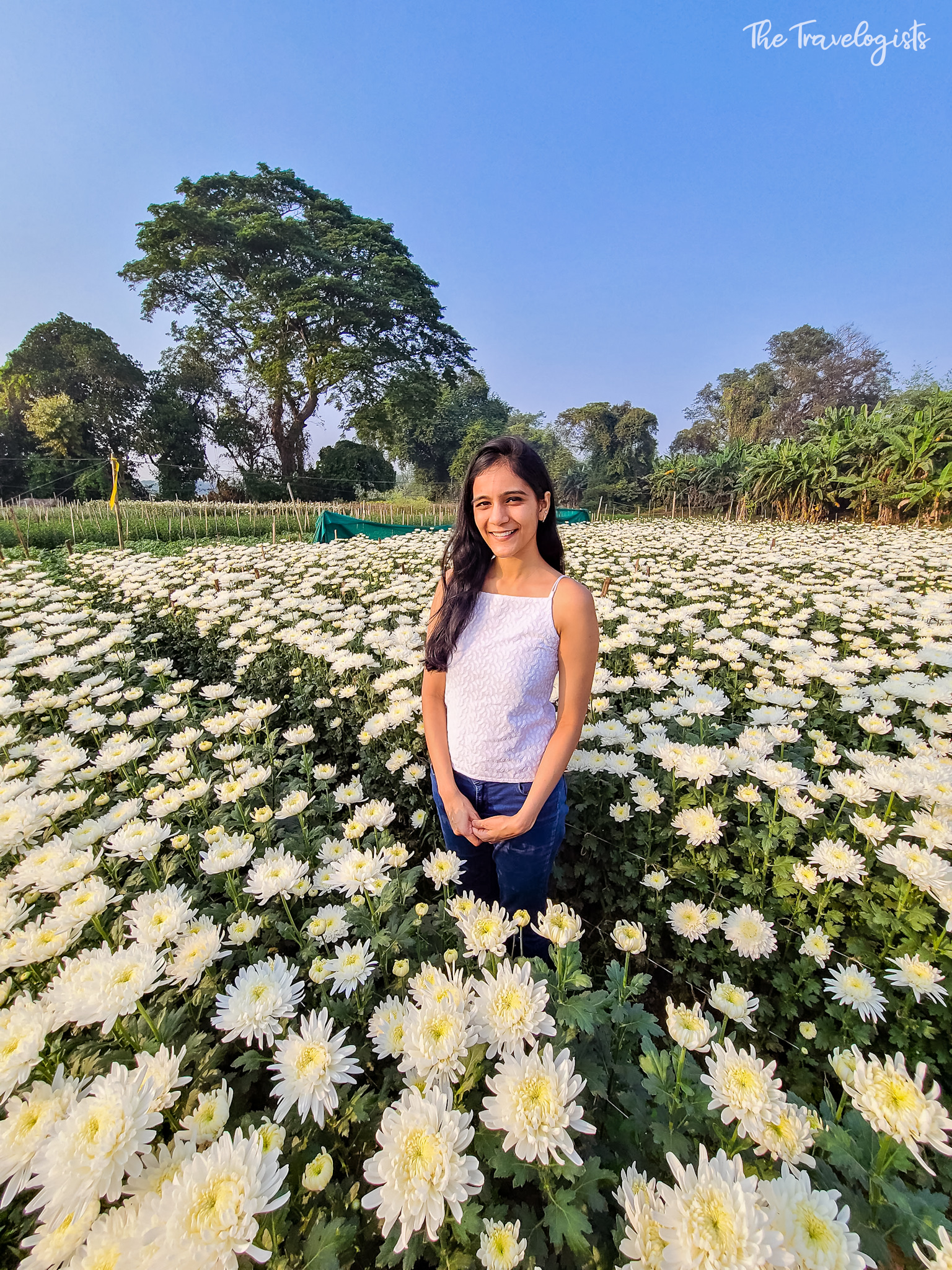
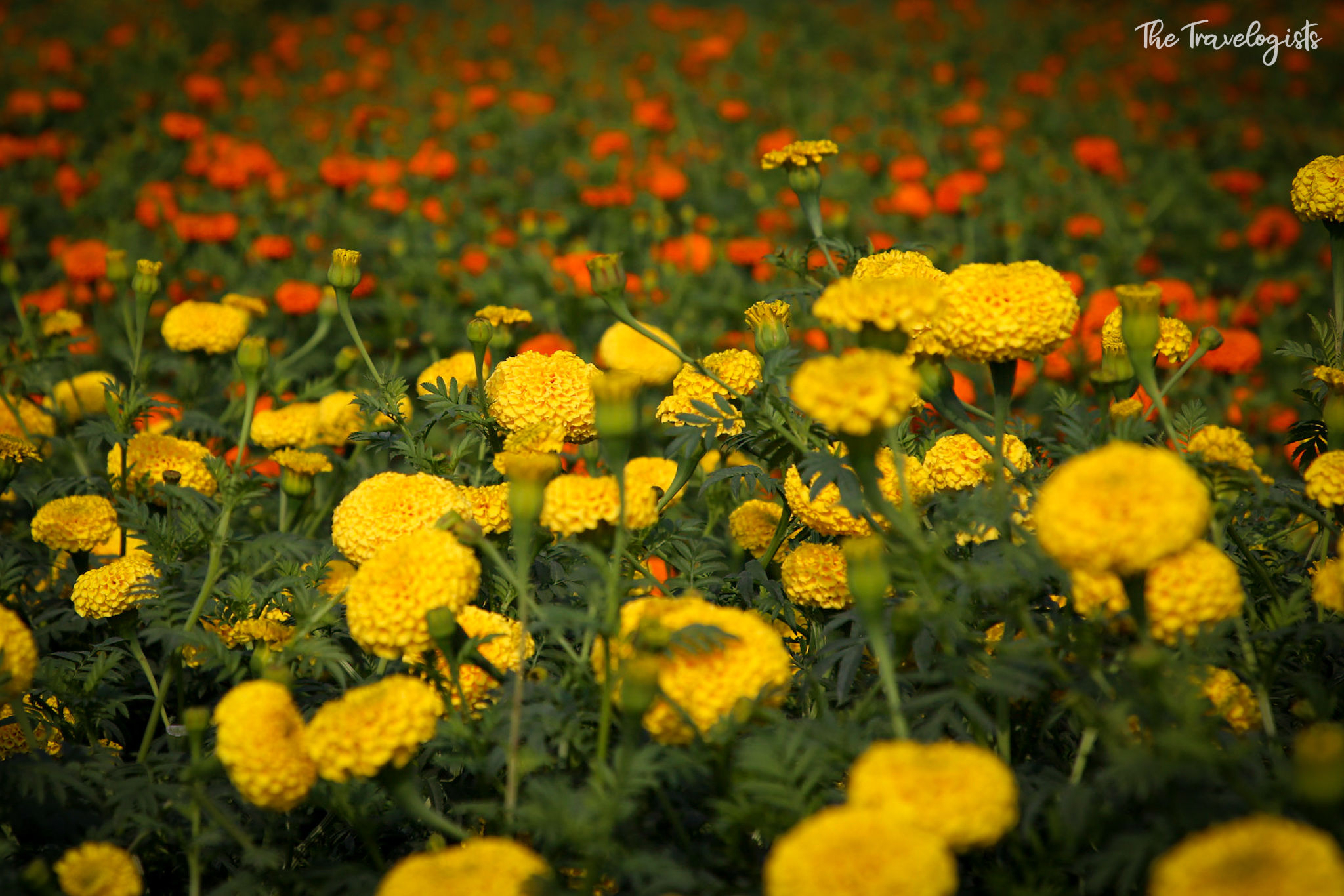
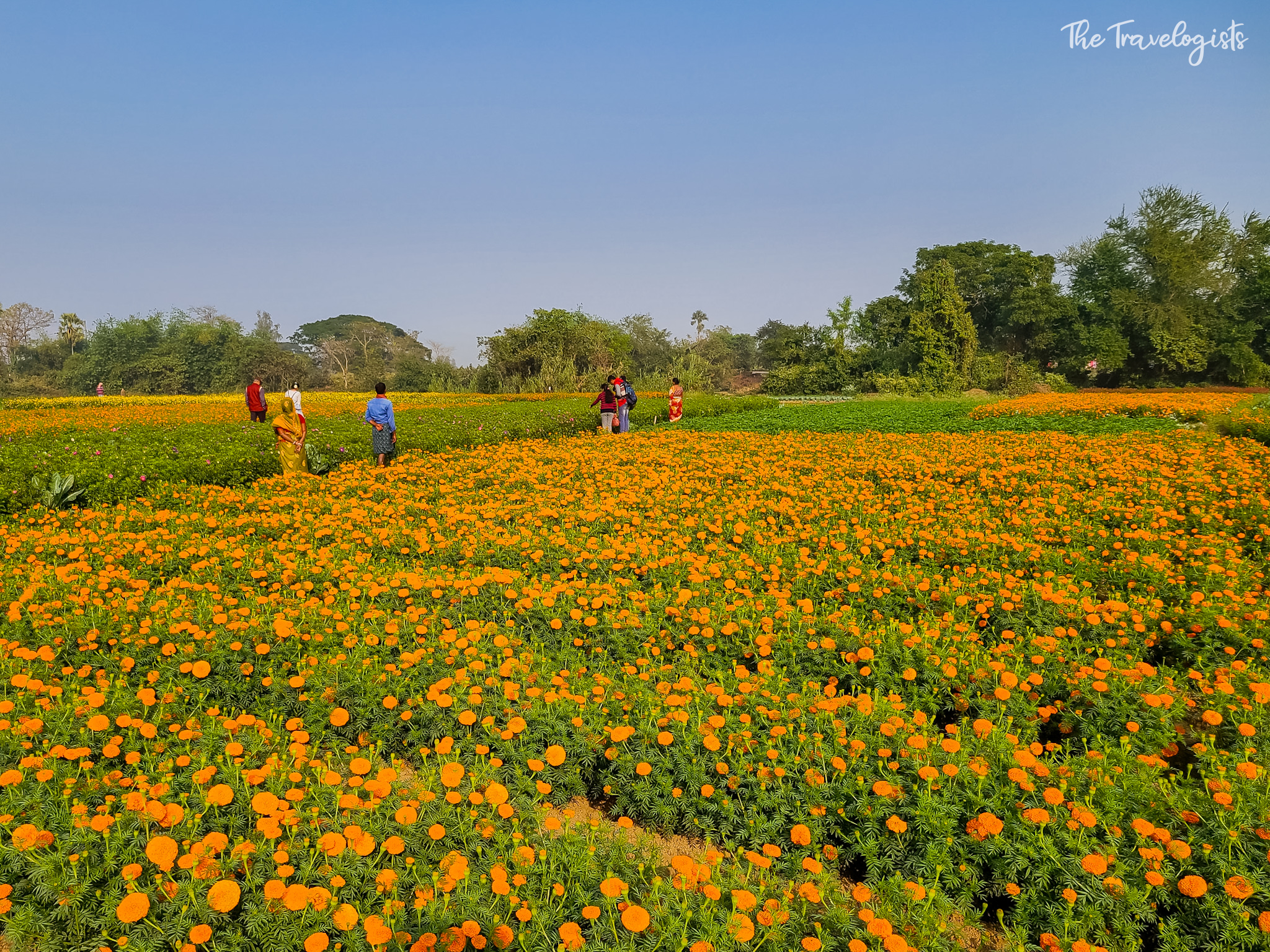
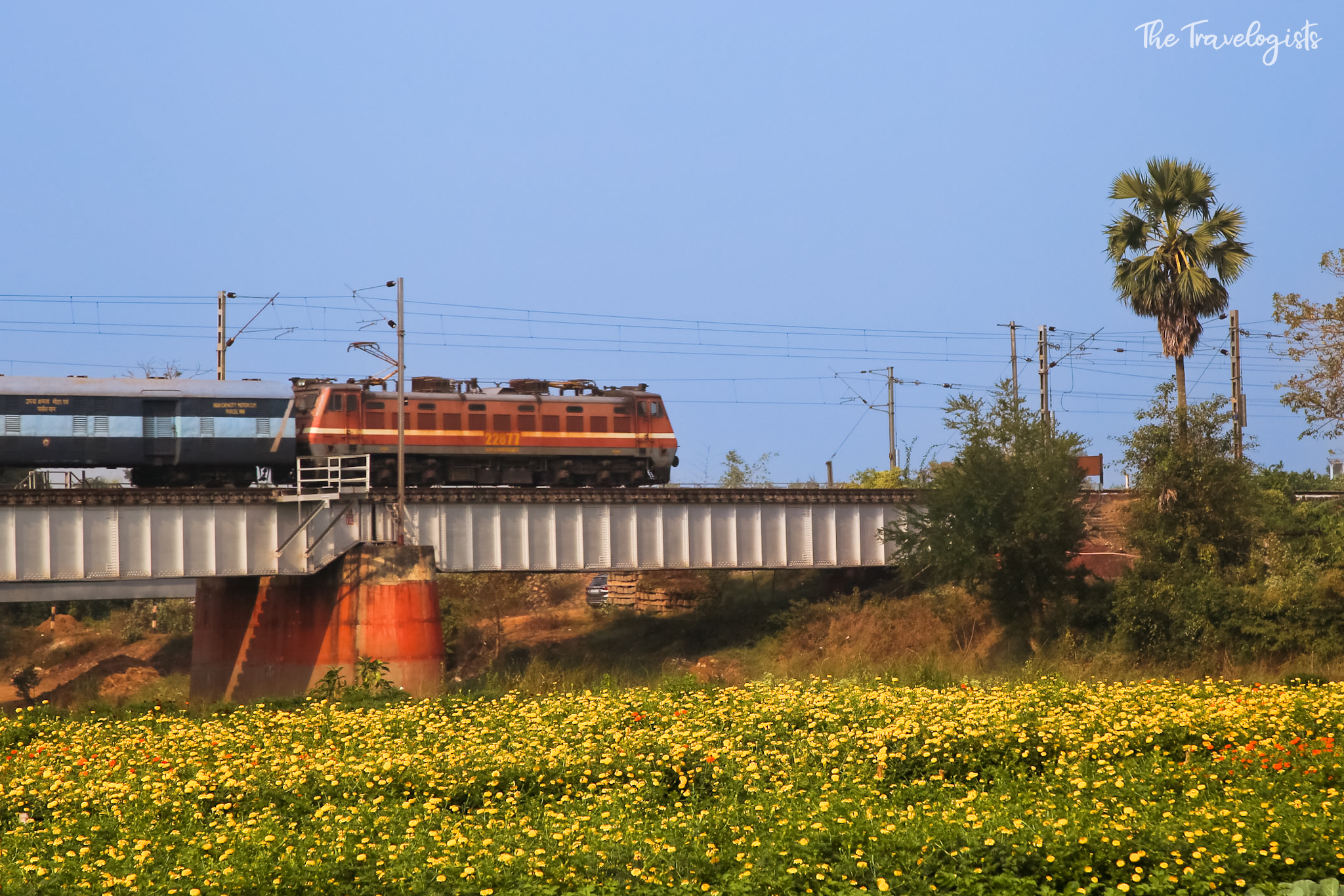
Khirai, known as Bengal’s valley of flowers, has recently become very popular and has become an Instagrammer’s paradise! Located along the banks of the river Kansabati near Khirai railway station, large swathes of farmland are cultivated with different flowers. In winter when the flowers bloom, the whole area becomes a visual treat!
Tip: Plan your visit earlier in the season or on weekdays, otherwise you will see more people than flowers!
Highlights:
- See the endless fields blooming with Marigold, Chrysanthemum, Gerbera, Aster, Cock’s comb, etc.
How to reach:
The valley of flowers is located near Panskura. Take NH-16 out of Kolkata and cross Kolaghat. About 17 km after crossing Kolaghat, you will cross the Kansabati river – take the left turn immediately AFTER crossing the river. Follow the village road until you arrive at the railway bridge. You can park under the Kansai Railway Bridge and walk to the flower fields. If you navigate directly to Khirai Flower Garden on Google Maps, it navigates to the other side of the river, and you need to walk across the railway bridge, which isn’t ideal. Follow the directions from Kolaghat here.
Ambika Kalna
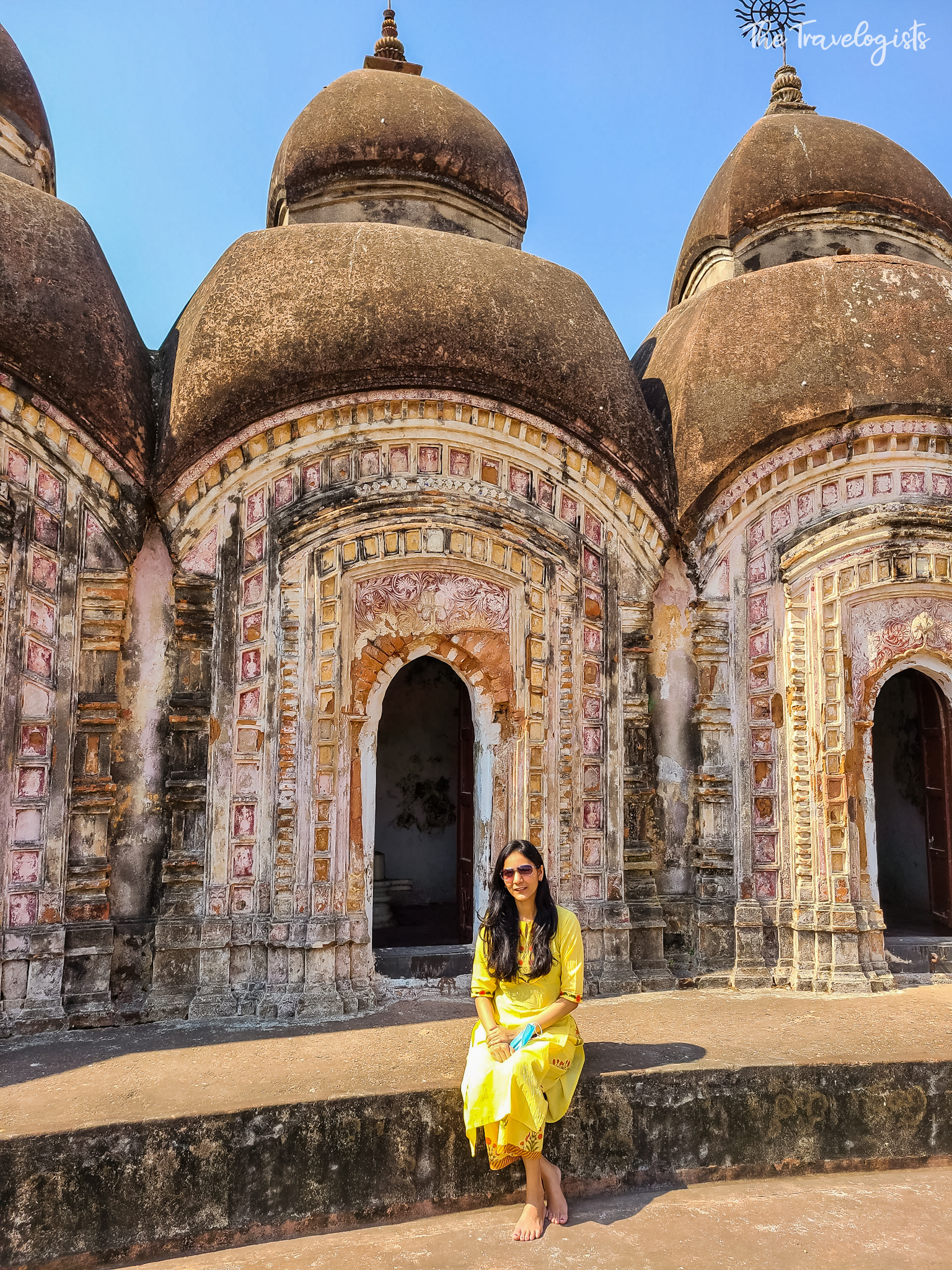
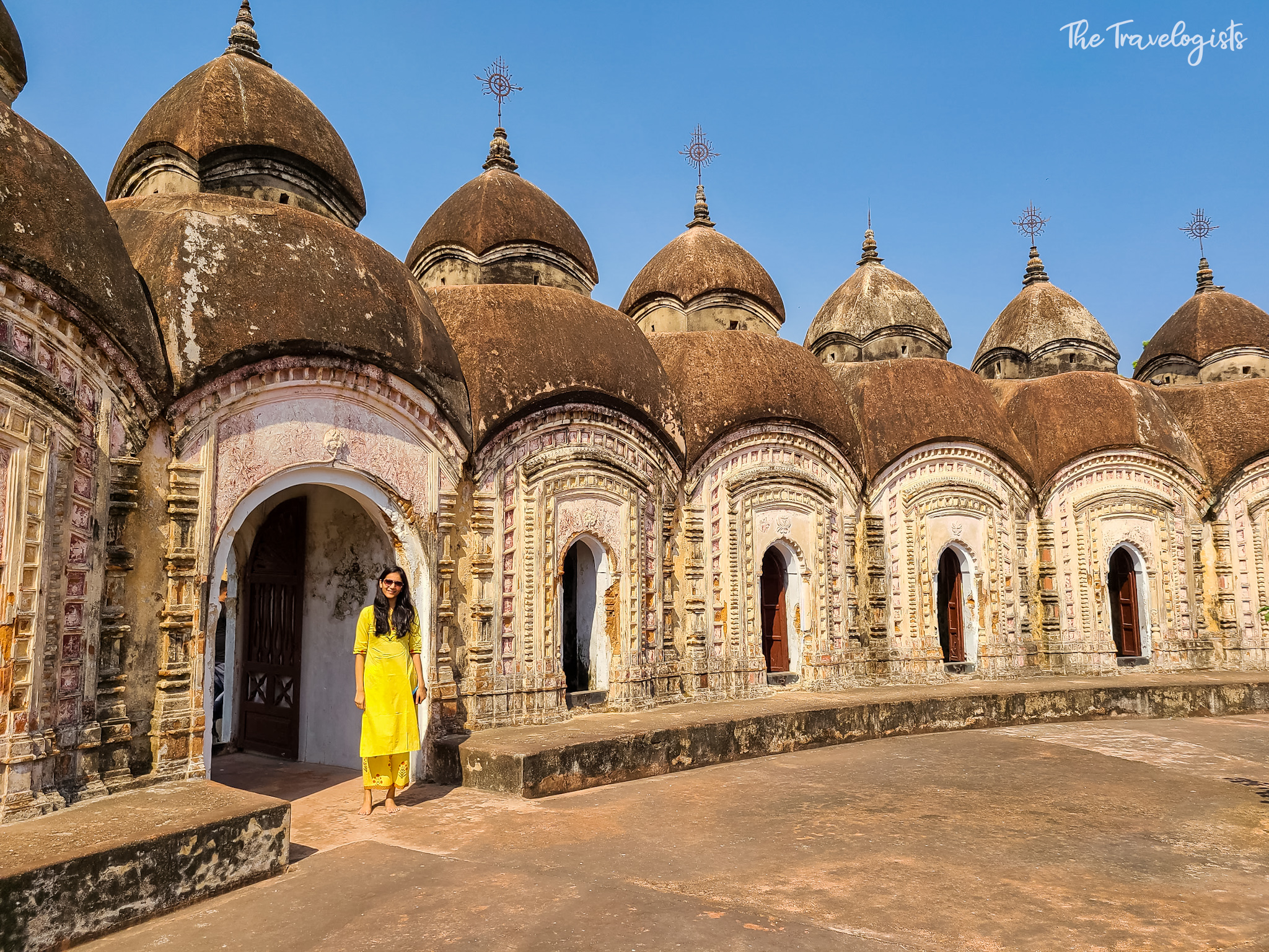
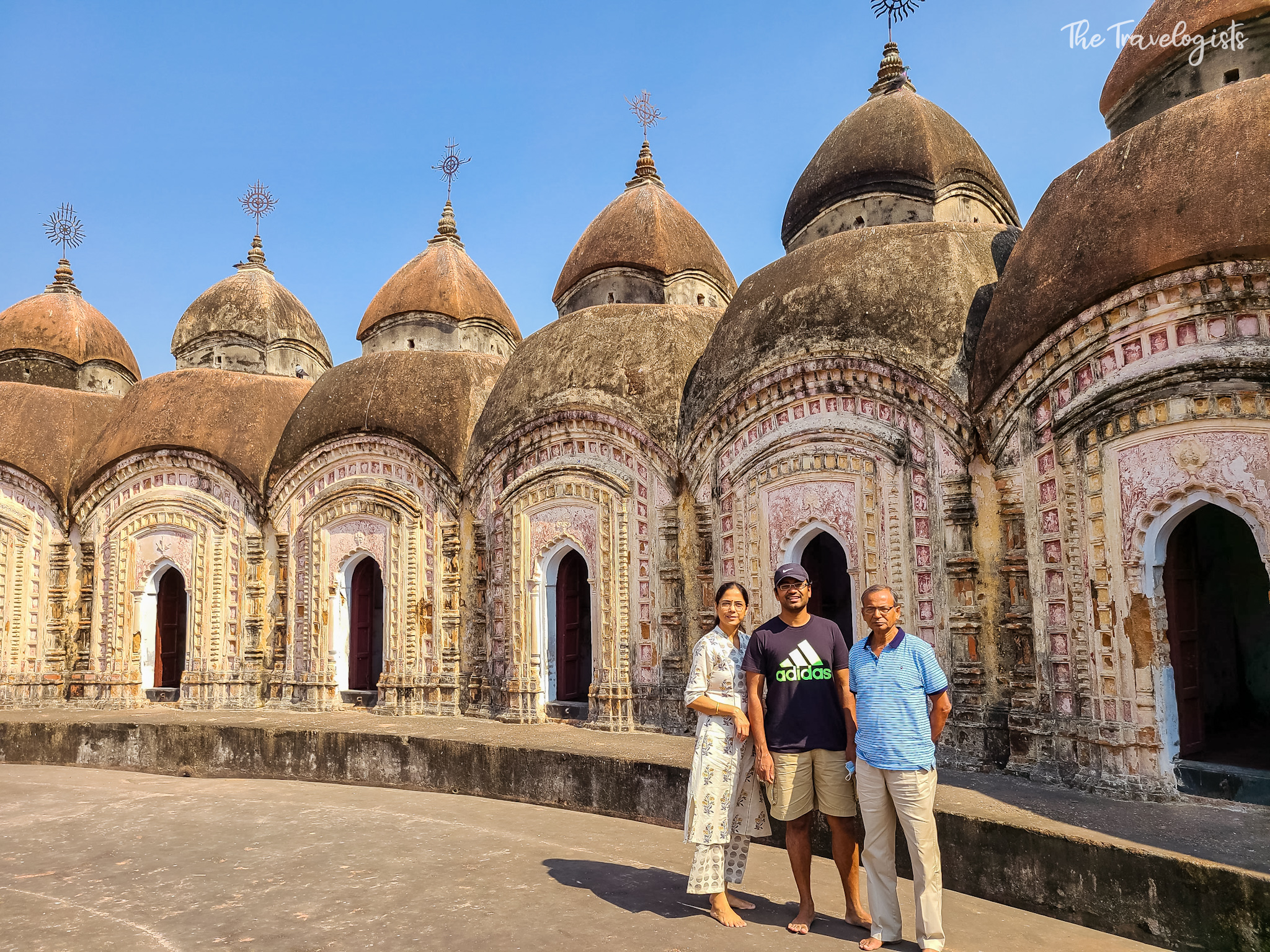
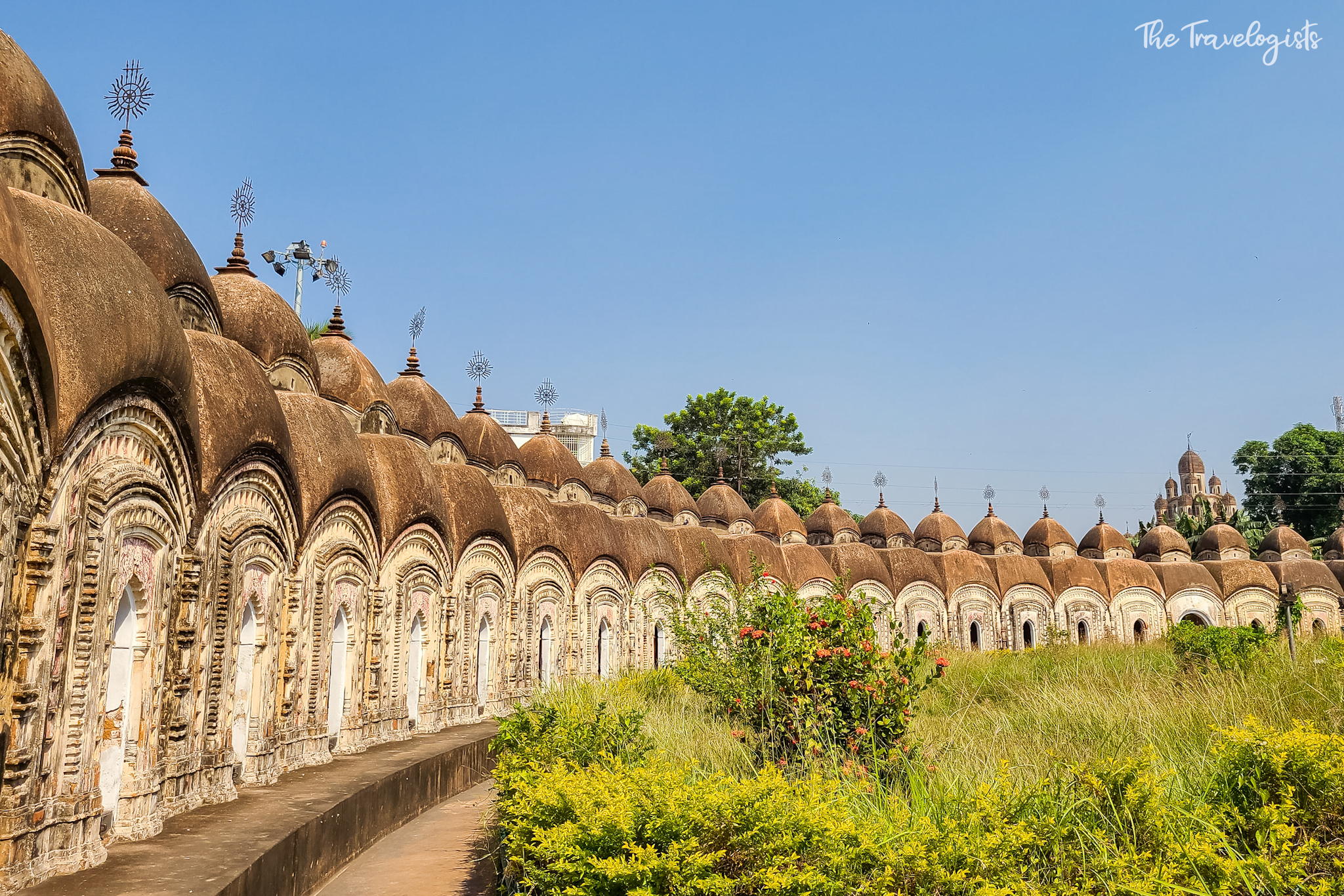
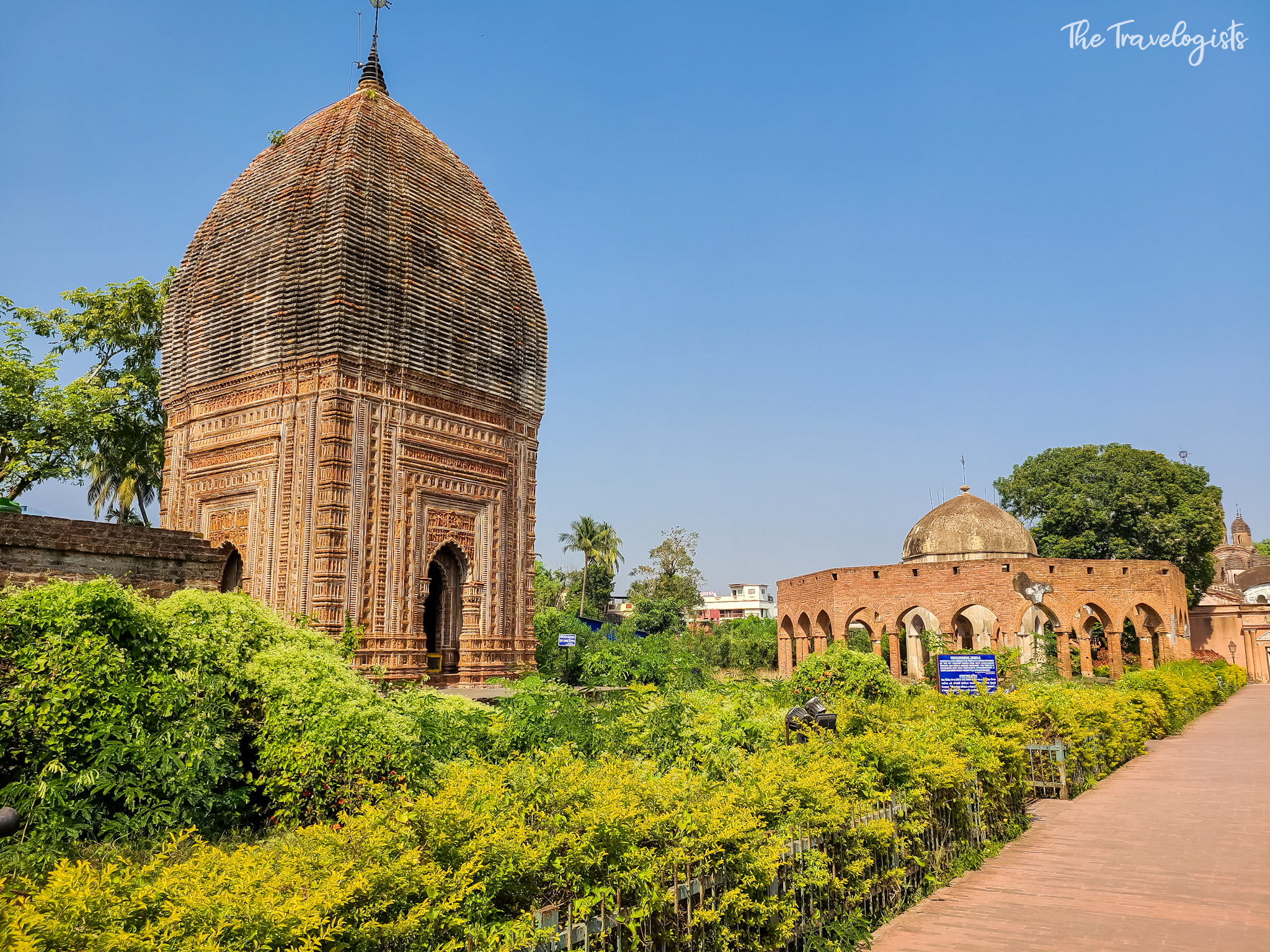
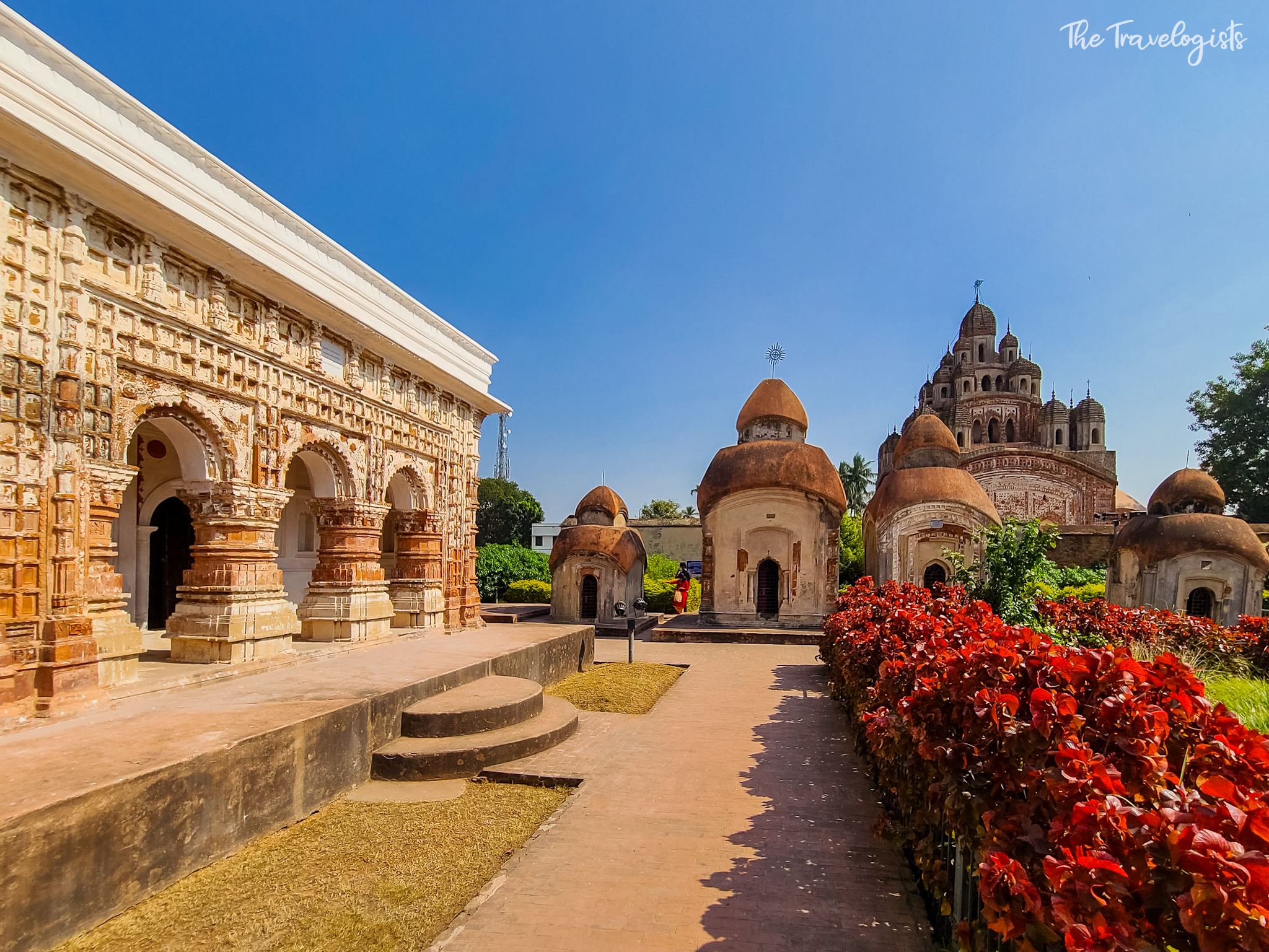
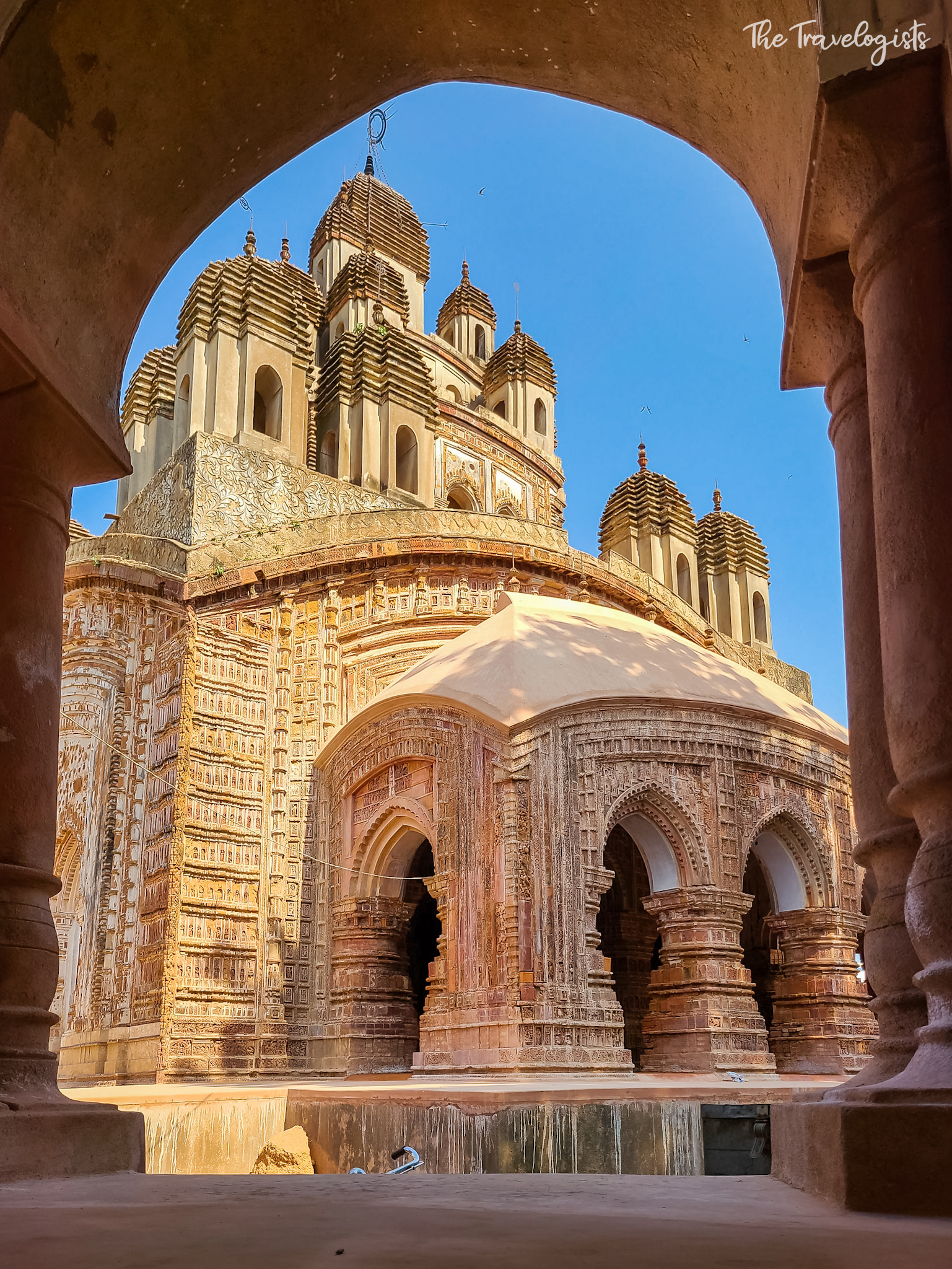
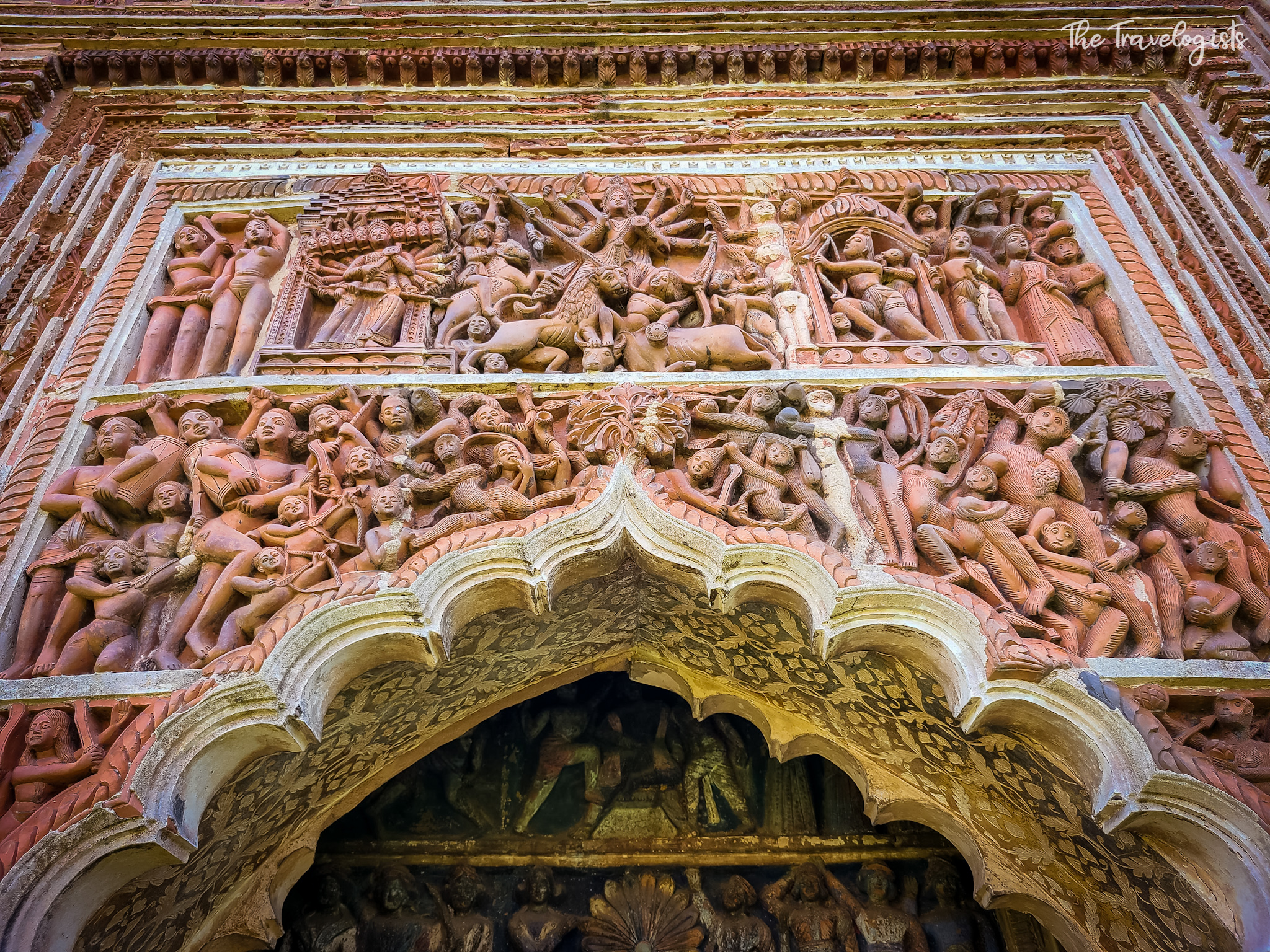
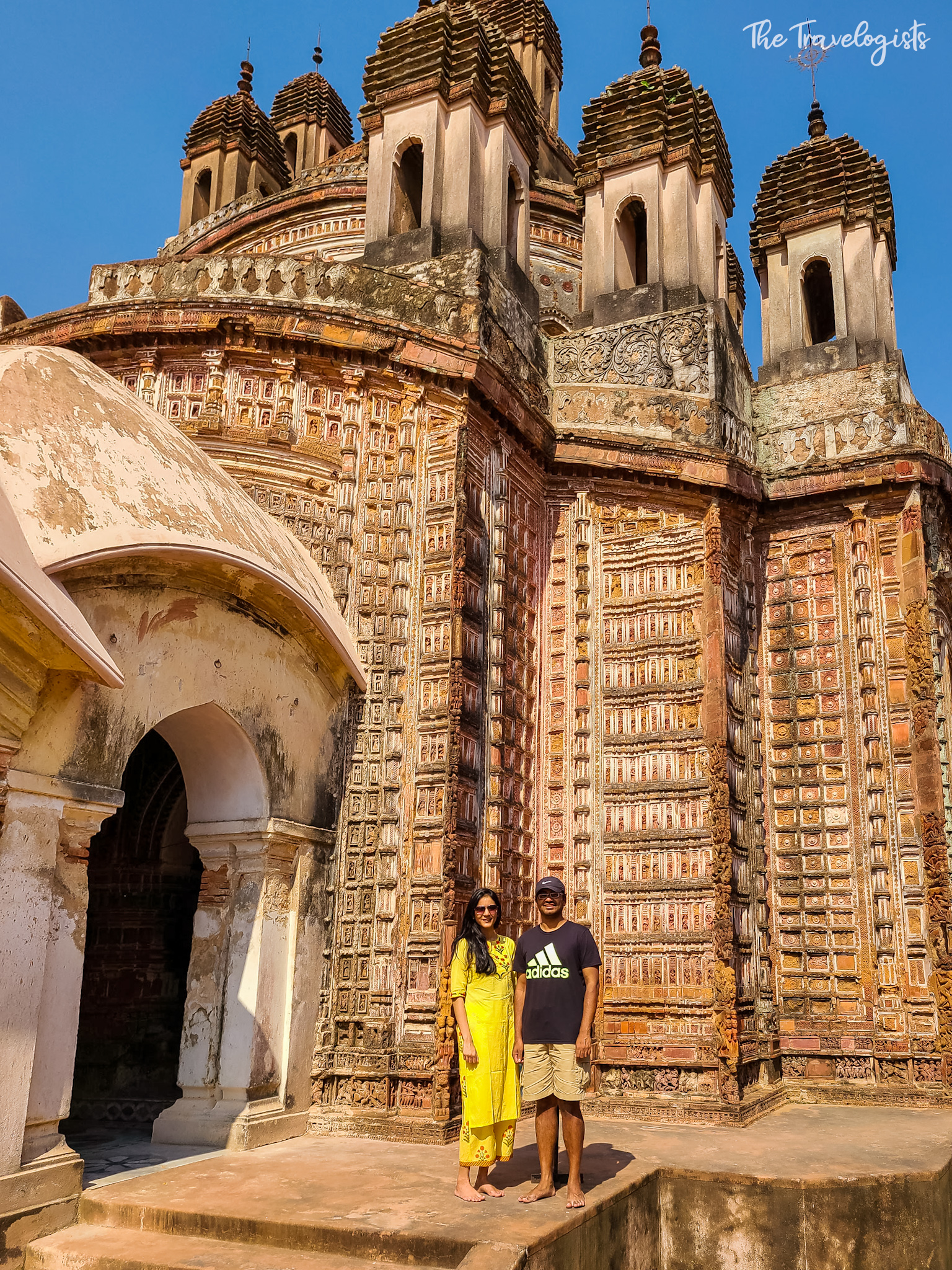
Well known as the “City of Temples”, Kalna in the Purba Bardhaman district is famous for its two hundred years old Terracotta temples. In the 18th century, the rulers of Bardhaman built several temples with detailed terracotta ornamentation, and the most famous among them are the 108 Shiva temple complex. Being less than two hours away from Kolkata, Kalna is a great day trip as there aren’t many decent hotels in the vicinity.
Highlights:
- The prime attraction of Kalna is the temple complex of 108 Shiva Temples built in aat – chala style, arranged in two concentric circles. The outer temples have alternate black and white shiva lingas, while all the inner temples have white shiva linga.
- Next, visit the Rajbari temple complex opposite the 108 temples.
- Explore the different Terracotta temples such as Pratapeswar Temple, Lalji Mandir, Krishna Chandra Temple, etc.
- Siddheshwari Temple dedicated to Debi Ambika and a few other temples are also in the vicinity.
How to reach:
Kalna is about 100 kms from Kolkata – take Old Delhi road or Kalyani expressway out of Kolkata until Mogra. At Mogra, continue on Assam road till you reach Kalna. We followed Google Maps to Kalna 108 temples and did not find any issues. There is no designated parking near the temple complex, so you will need to drive around and look for a parking spot.
Bakkhali and Fraserganj
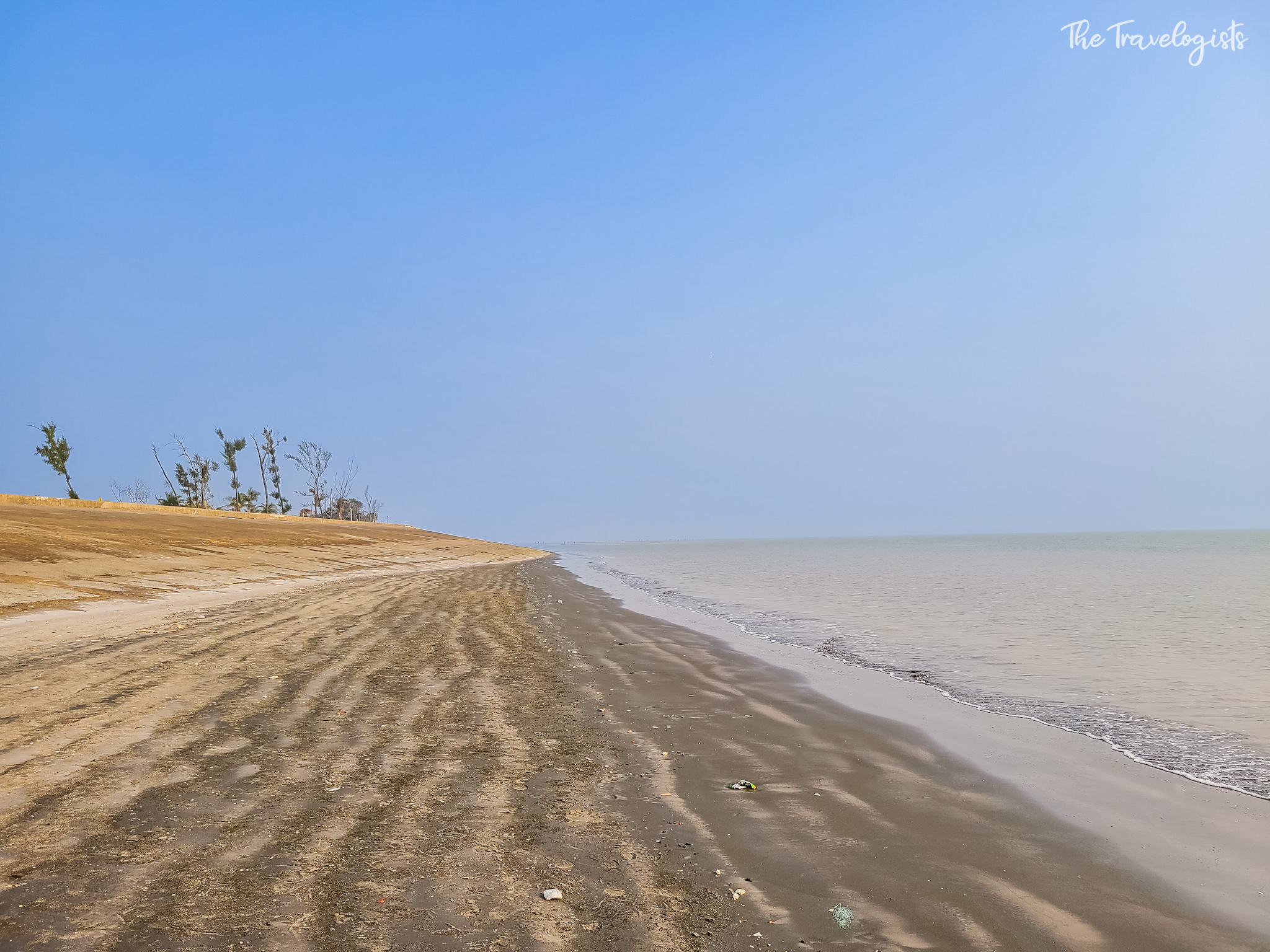
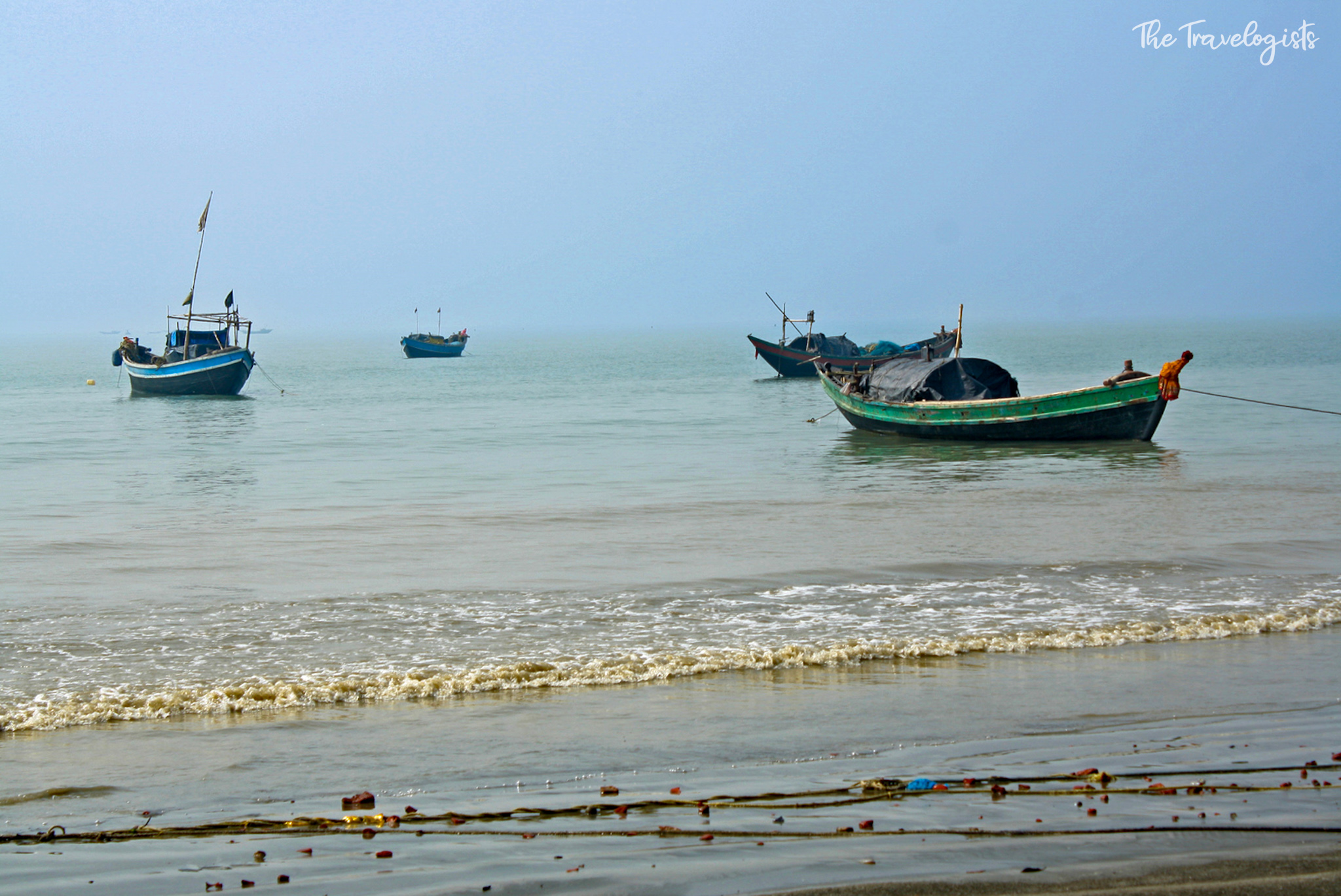
Bakkhali, a very popular seaside destination with Bengalis, is an island in the southern tip of the state. Beaches, mangrove forests, proximity to the Sunderban Tiger Reserve, etc. make this a great weekend trip. The beach of Bakkhali is one of the rare ones which offer great views of both sunrise and sunset. Earlier, Bakkhali was a quaint town with few crowds, but in recent years the beaches have become crowded. Yet, there is a lot to explore in the area to make this a worthwhile trip!
Highlights:
- Enjoy the waves at Bakkhali and Fraserganj beaches. There is a car park at both beaches, and lots of restaurants serving seafood at Bakkhali beach.
- Henry’s Island – An island 15 minutes away from Bakkhali, famous for its virgin beaches and red crabs scurrying around. Note: Henry’s island was closed when we went due to Covid-19, so check with locals whether it is open.
- Frazerganj Fishing Harbour is a jetty from where you can see fishermen returning from their fishing trips

How to reach:
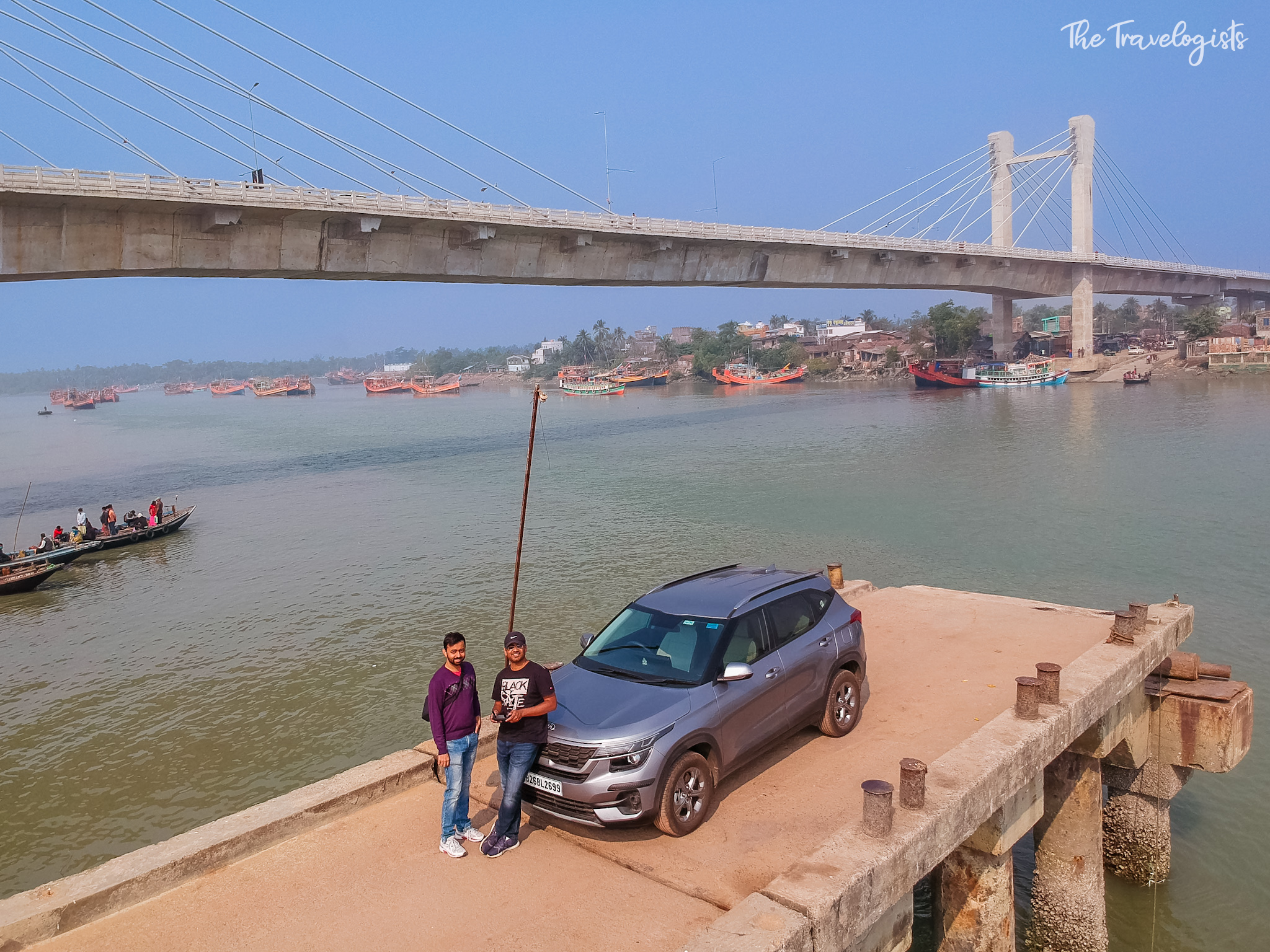
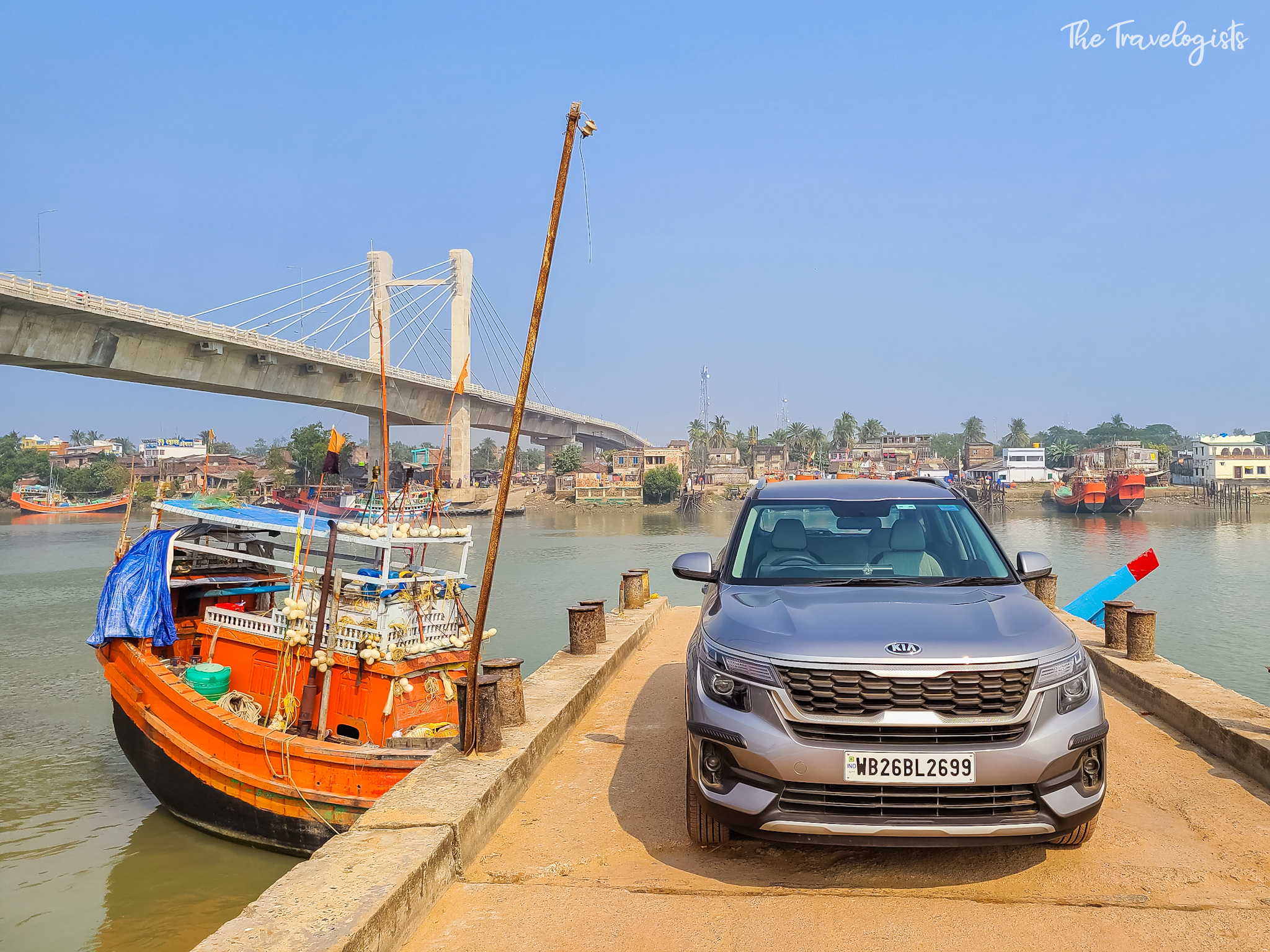
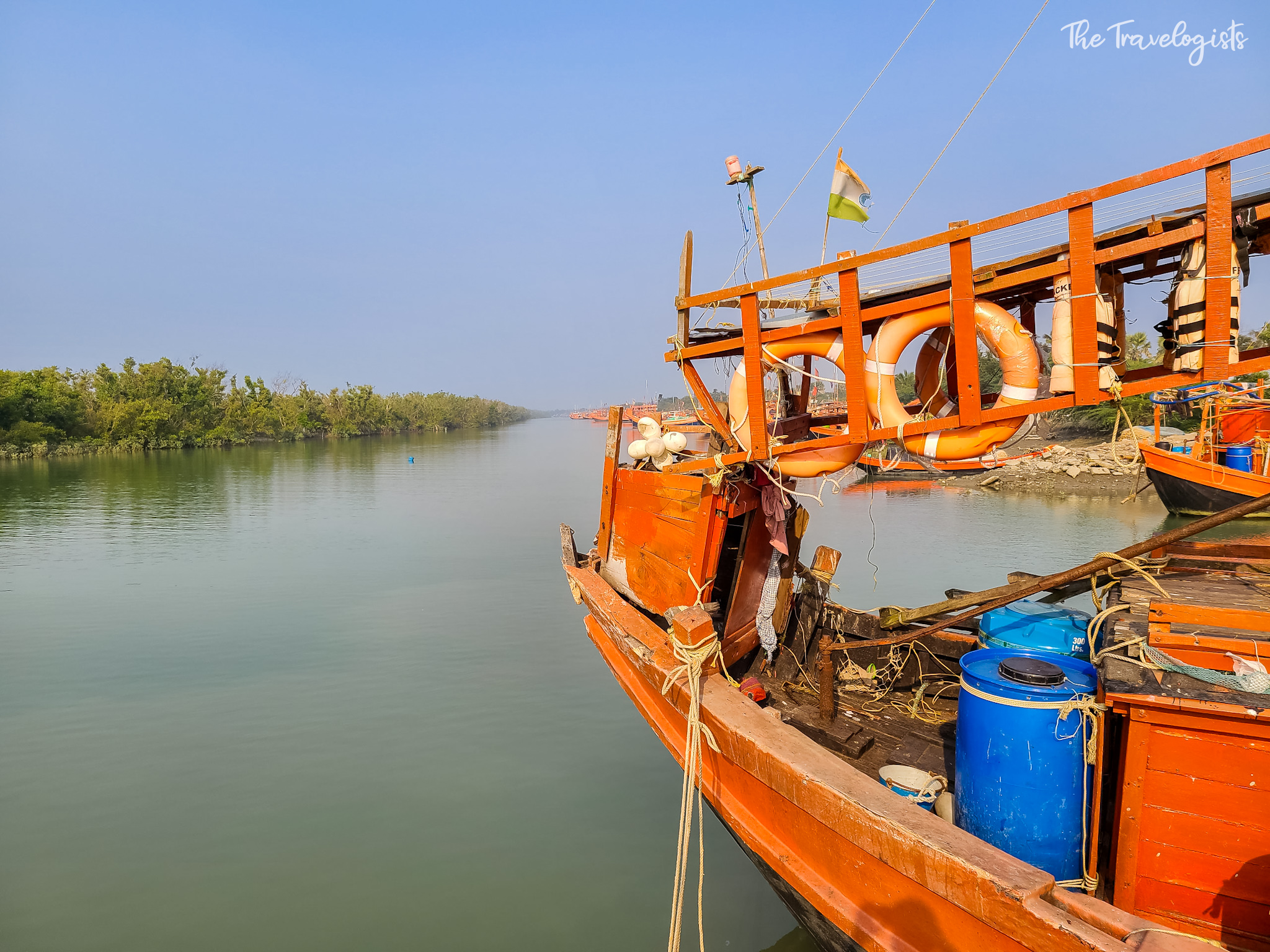
Since last year, driving to Bakkhali has become much easier with the opening of the bridge at Namkhana. To reach Bakkhali, drive through Diamond Harbour and Kakdwip to Namkhana, where you will cross the newly constructed Hataniya Doania bridge. The road goes all the way to Bakkhali sea beach parking. Earlier, cars and buses had to be transported across the Hatania-Doania creek in a special ferry.
Where to stay:
There are multiple small hotels and lodges in the Bakkhali region. There is a WBTDC property close to Bakkhali sea beach which looks decent. However, we did a day trip so do not have personal experience of this hotel.
Bishnupur
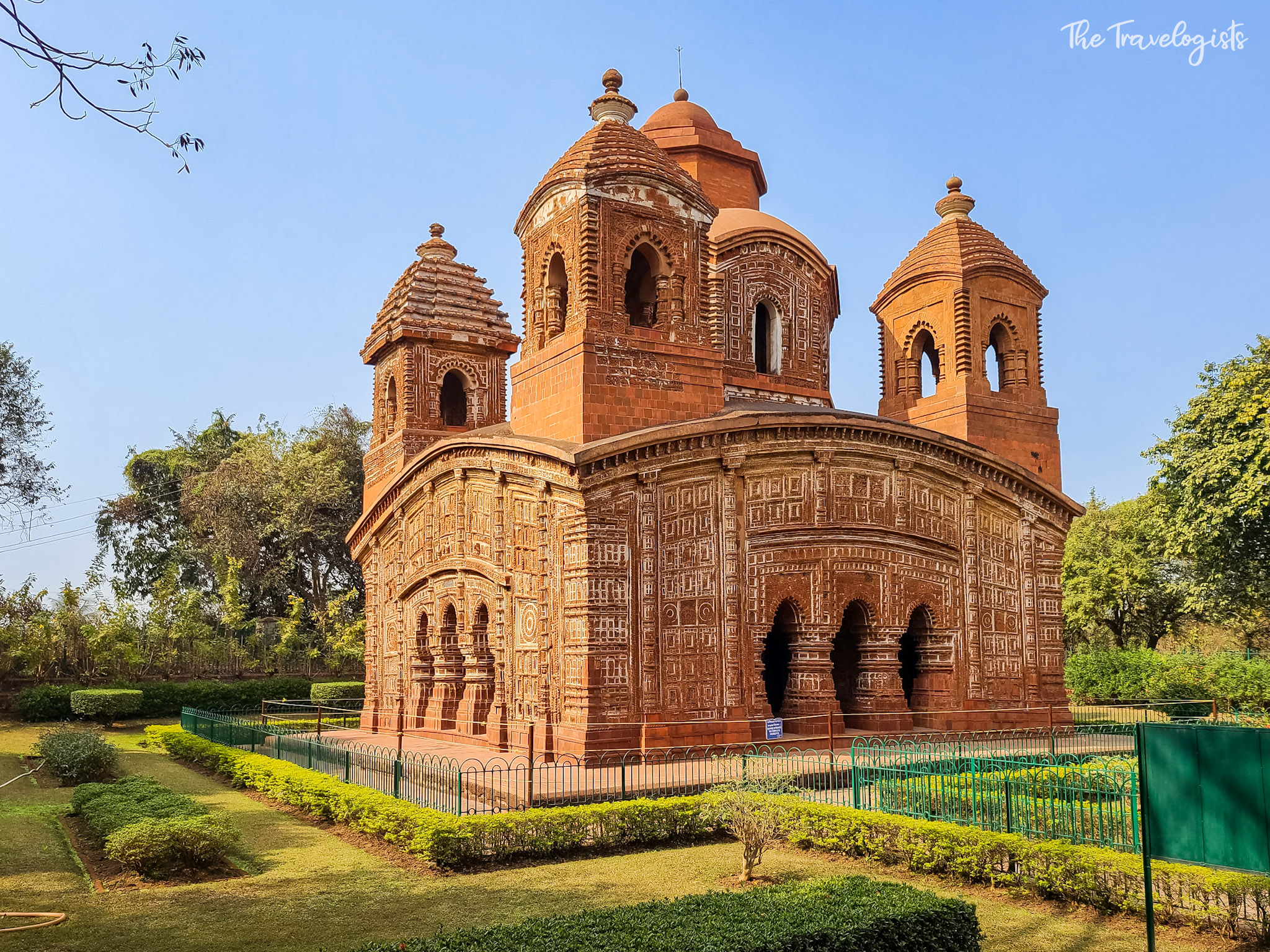
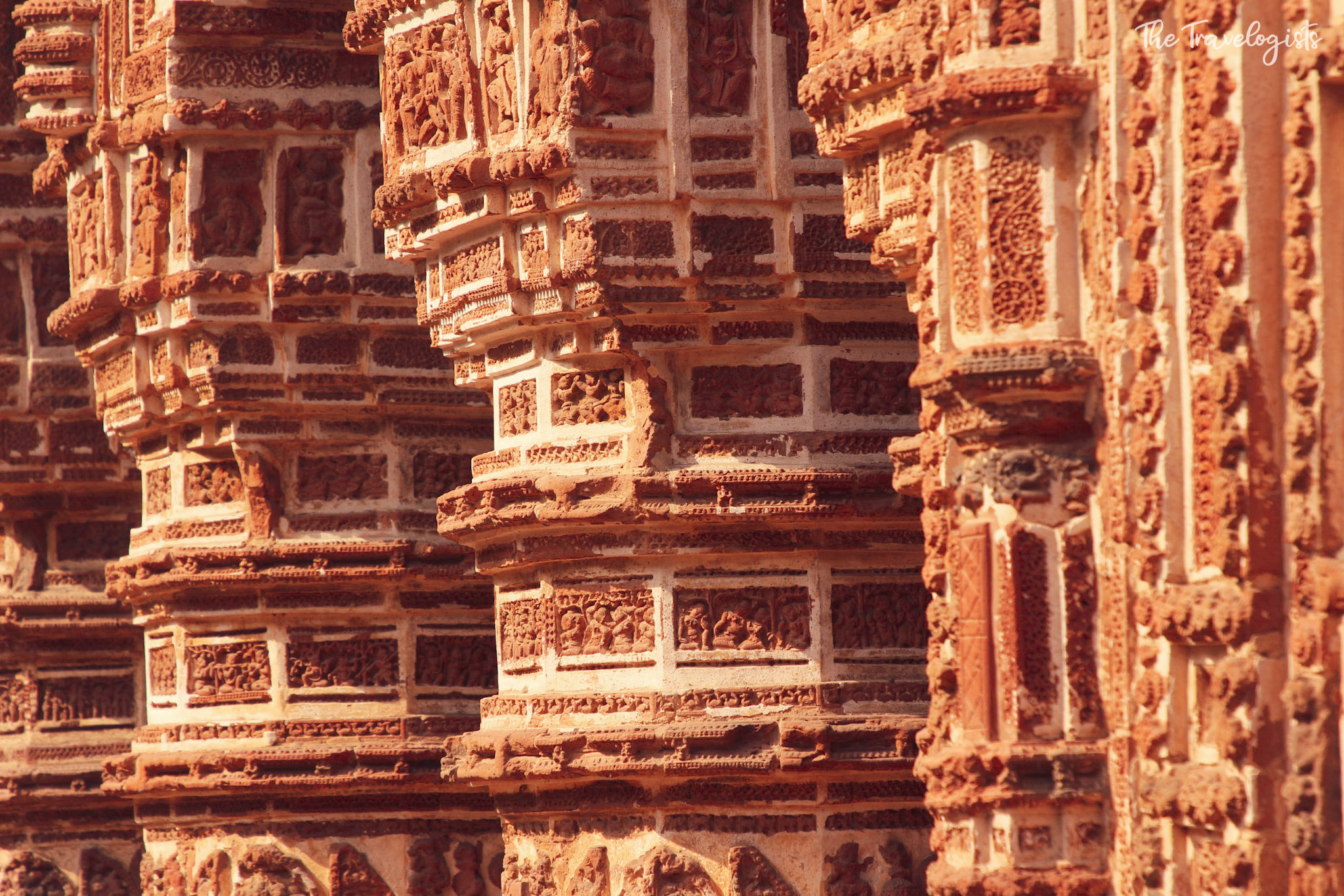
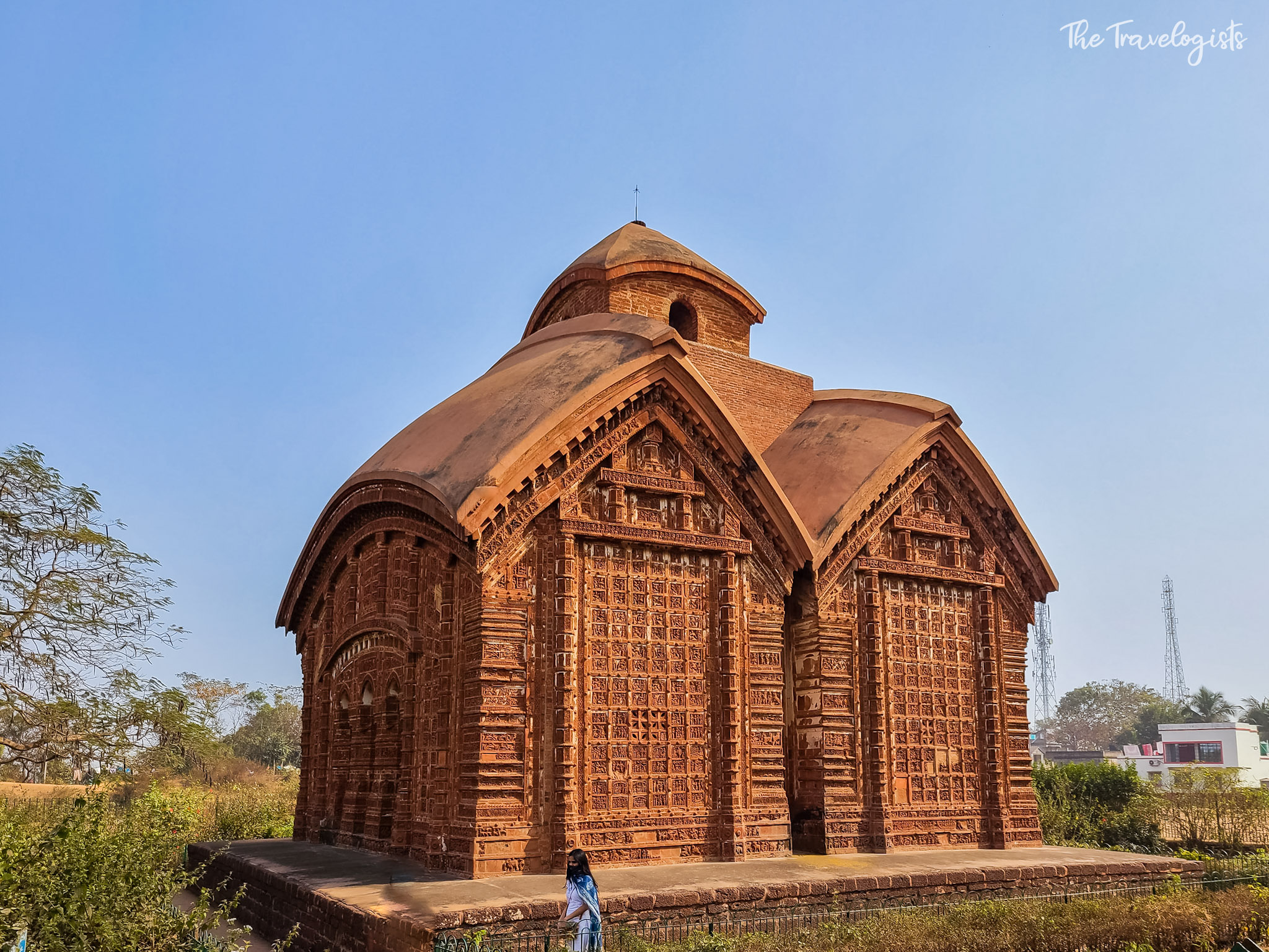
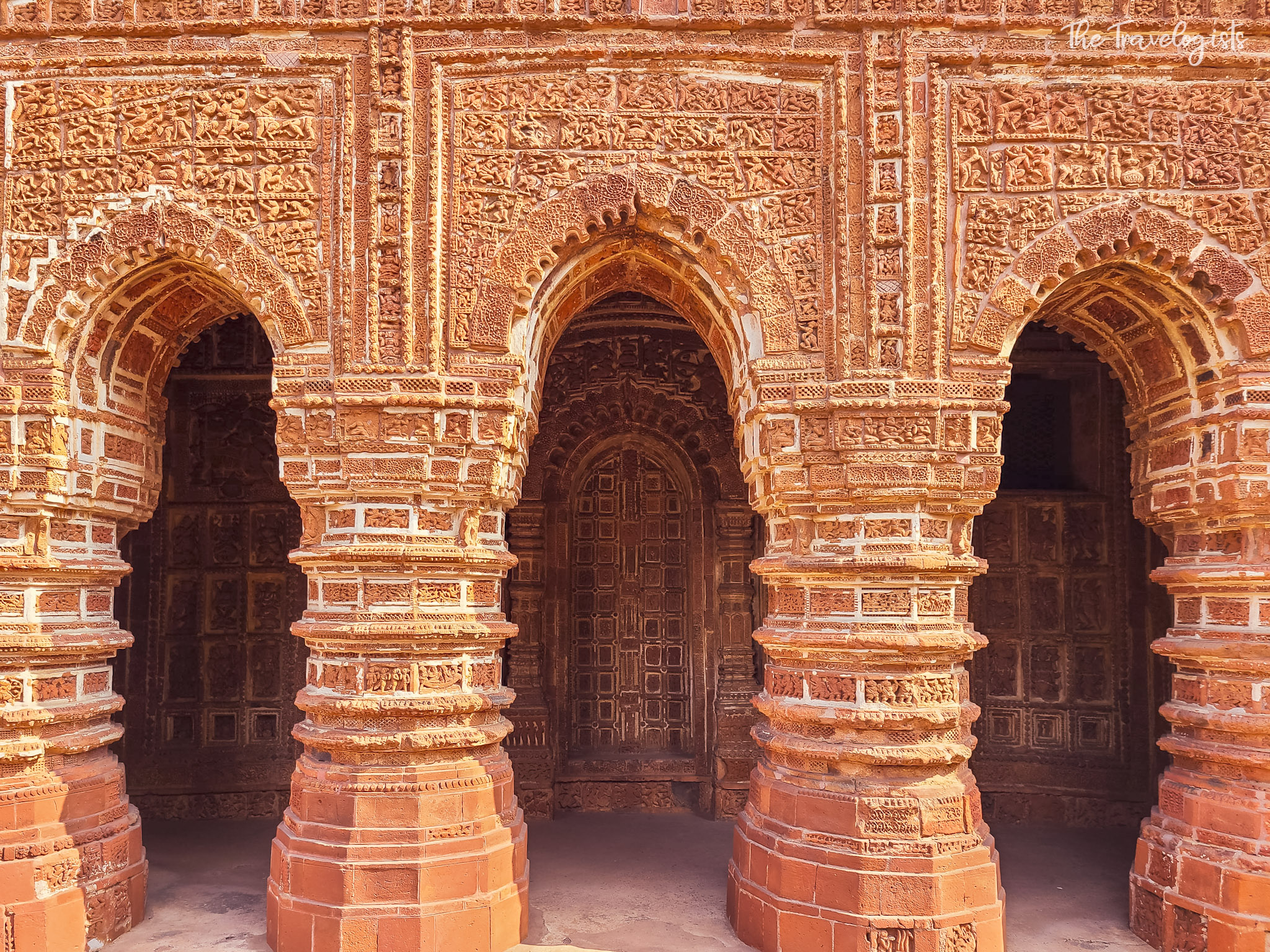
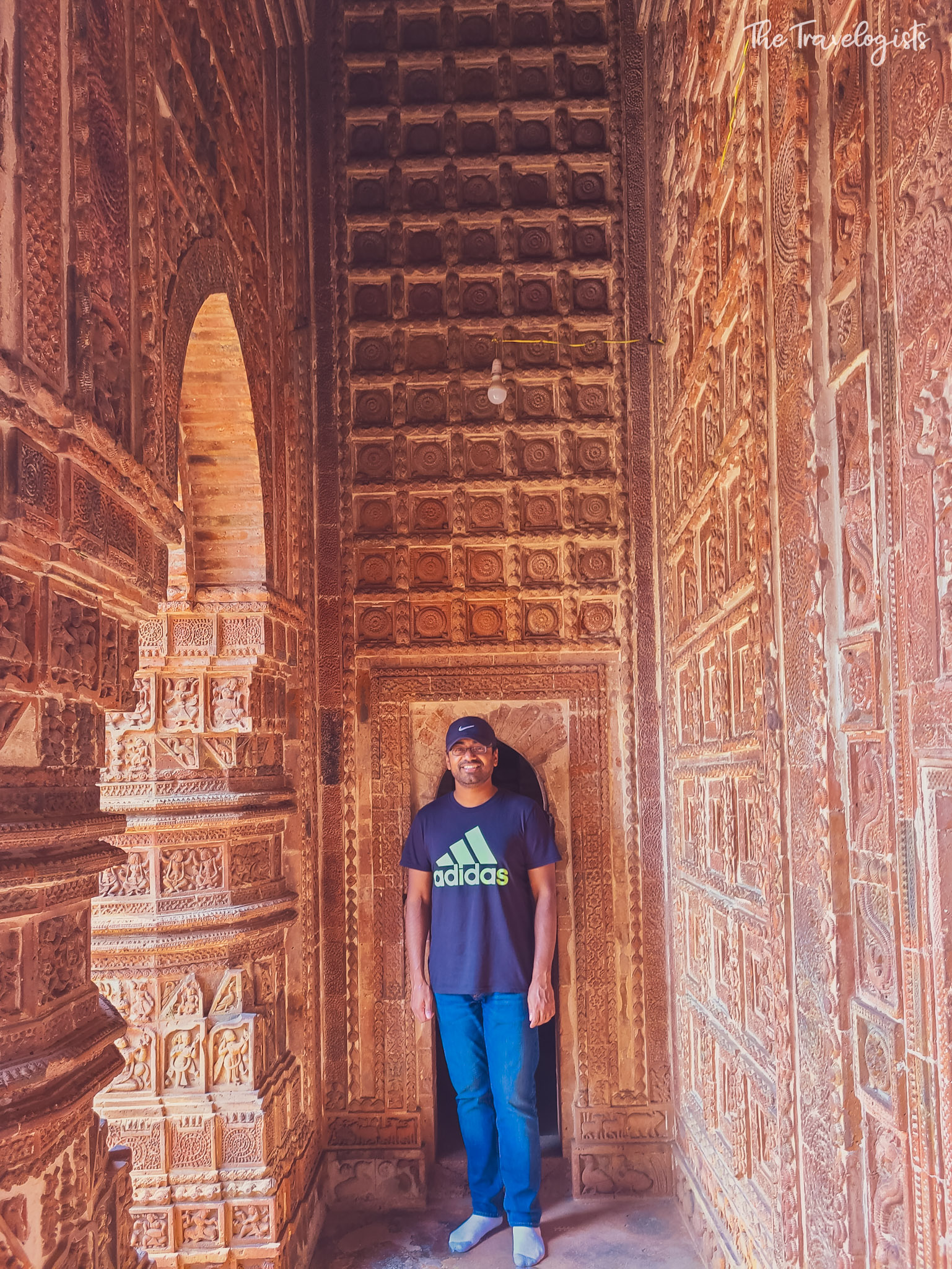
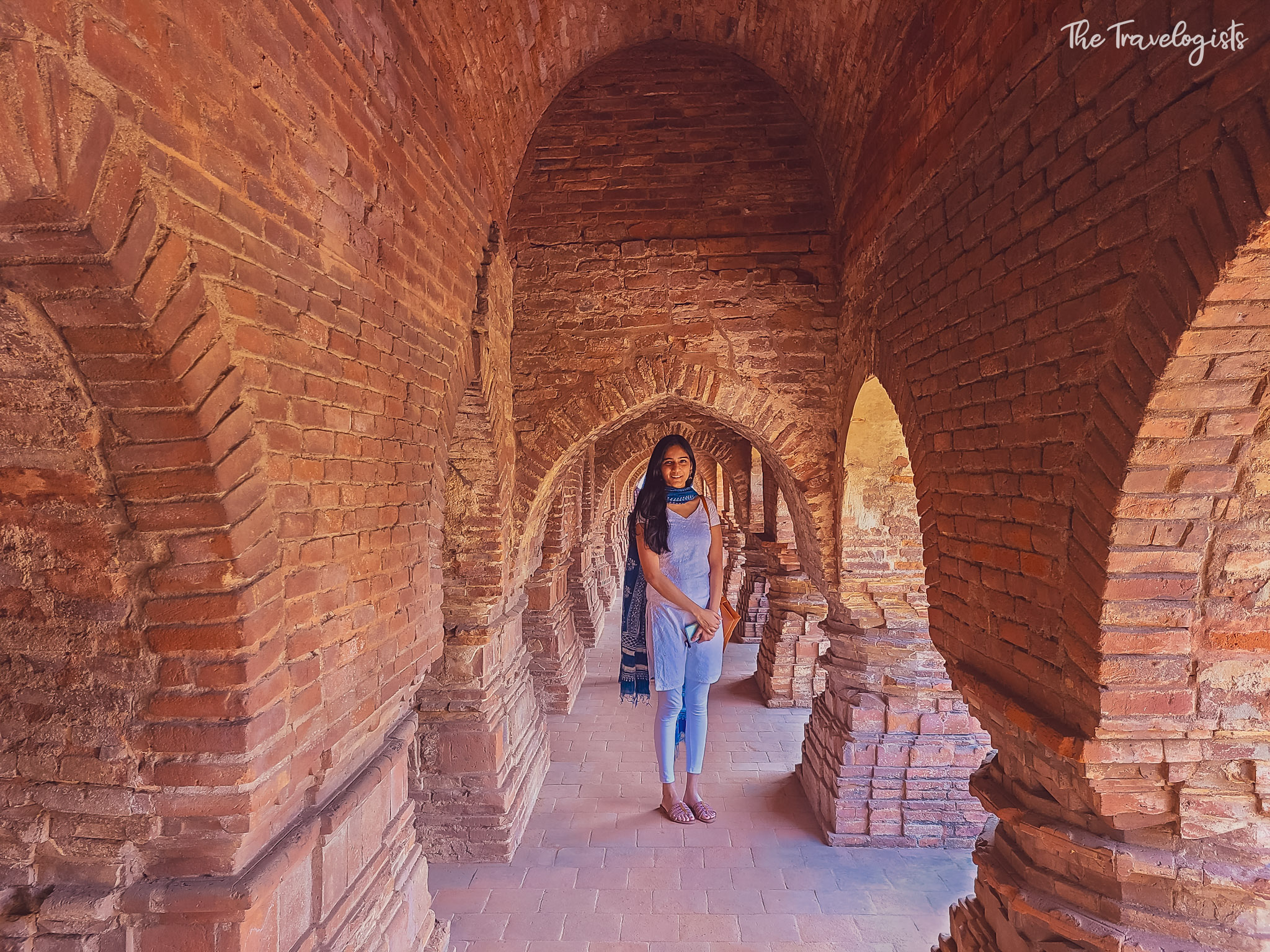
Bishnupur, located in the Bankura district, is most famous for it’s terracotta temples. While there are numerous terracotta temples in Bengal, Bishnupur has the best and most well preserved examples. These terracotta temples were built by the Hindu Malla kings of Bishnupur in the 17th century. The temples have very intricate artwork, and the detailed terracotta work represents imagery from the Ramayana and Mahabharat.
Highlights:
- Hire a Toto to visit the terracotta temples of Bishnupur. Among the many temples, the most important ones are Rasmancha, Mrinmoyee temple, Jorbangla Temple and the Shyam Rai temple.
- Dalmadal Cannon is a huge cannon, built by the Malla kings in the 18th century to protect Bishnupur from Marathas. The unique thing about the cannon is that there is no rust on the iron structure, despite being exposed to the elements for over 200 years.
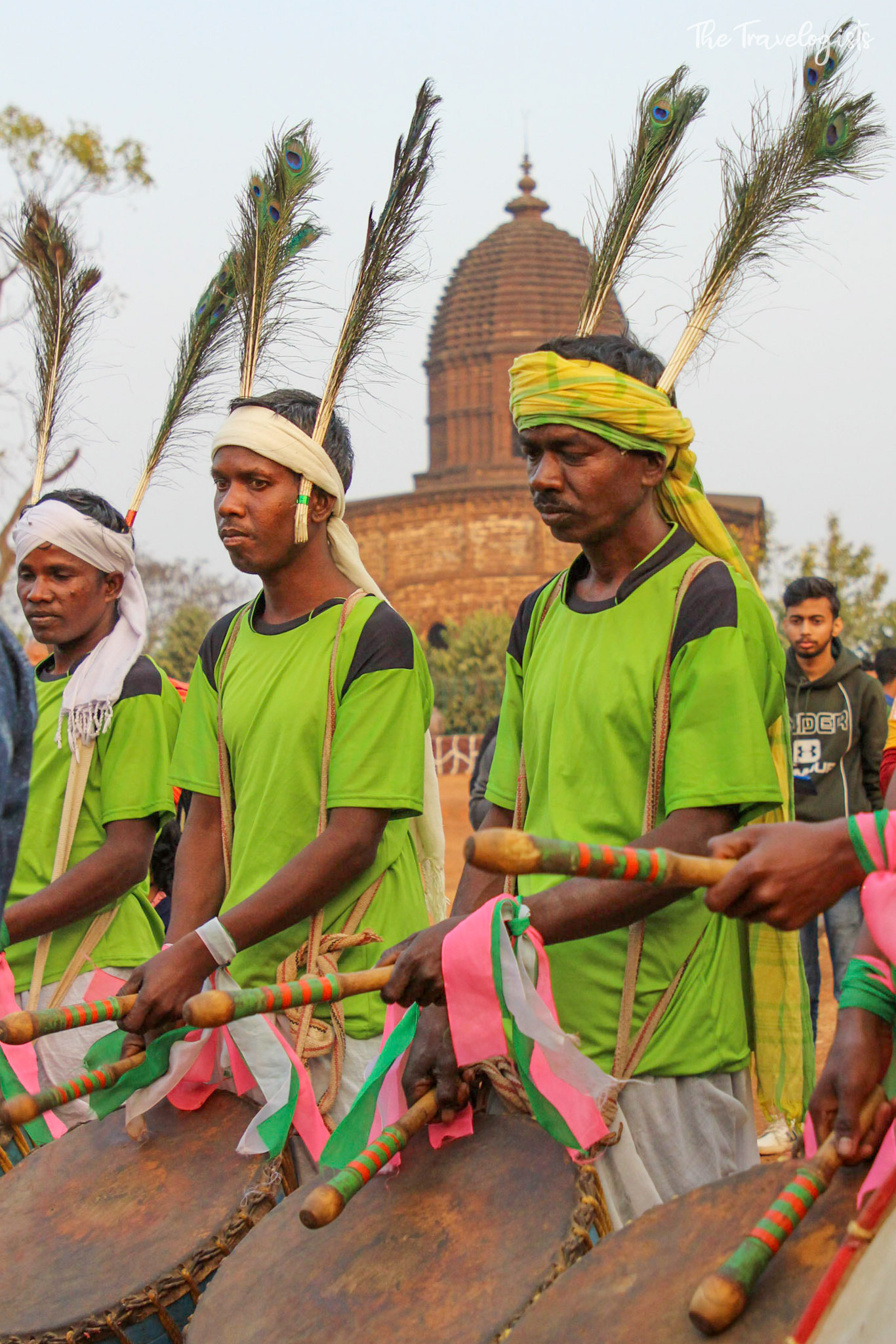
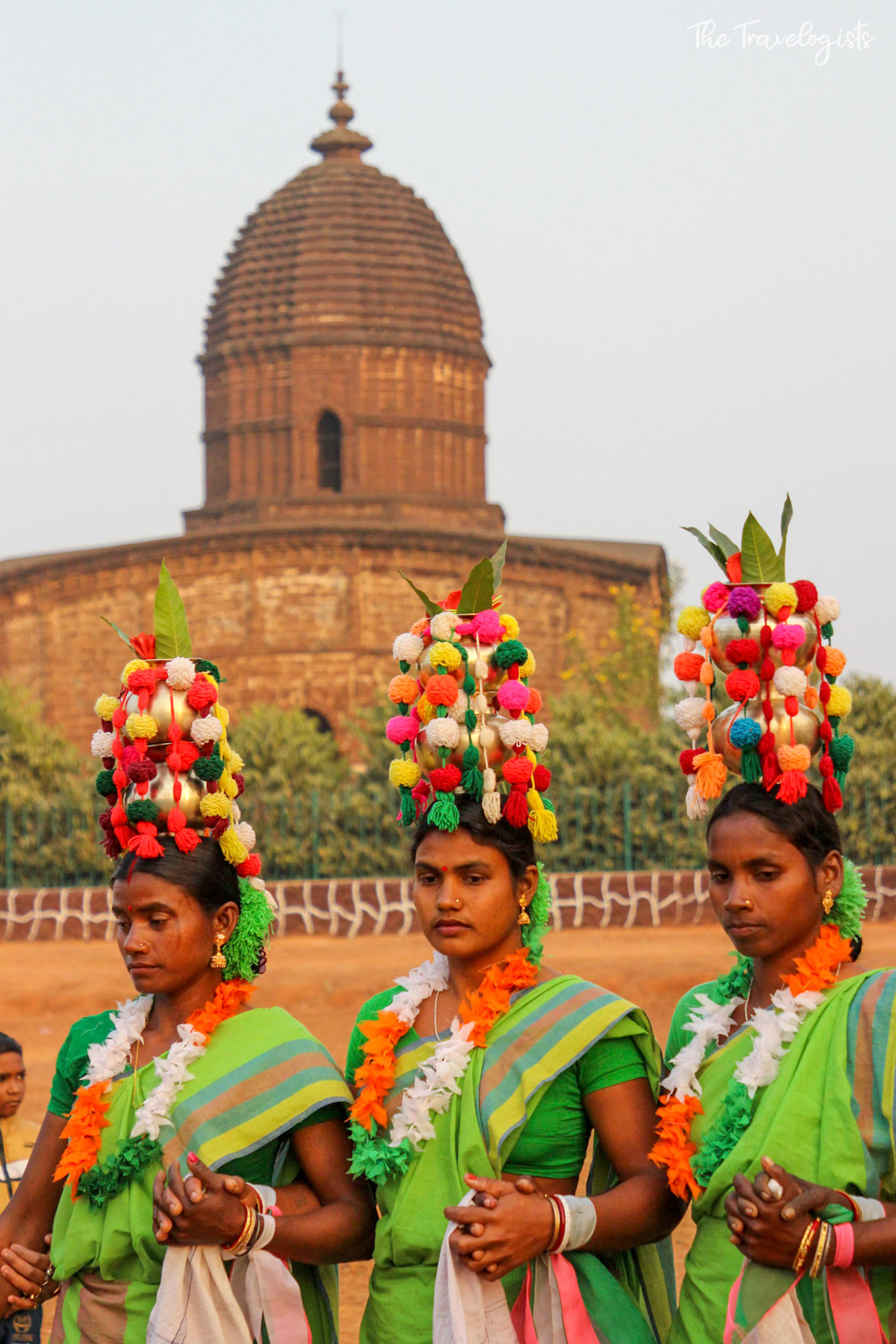
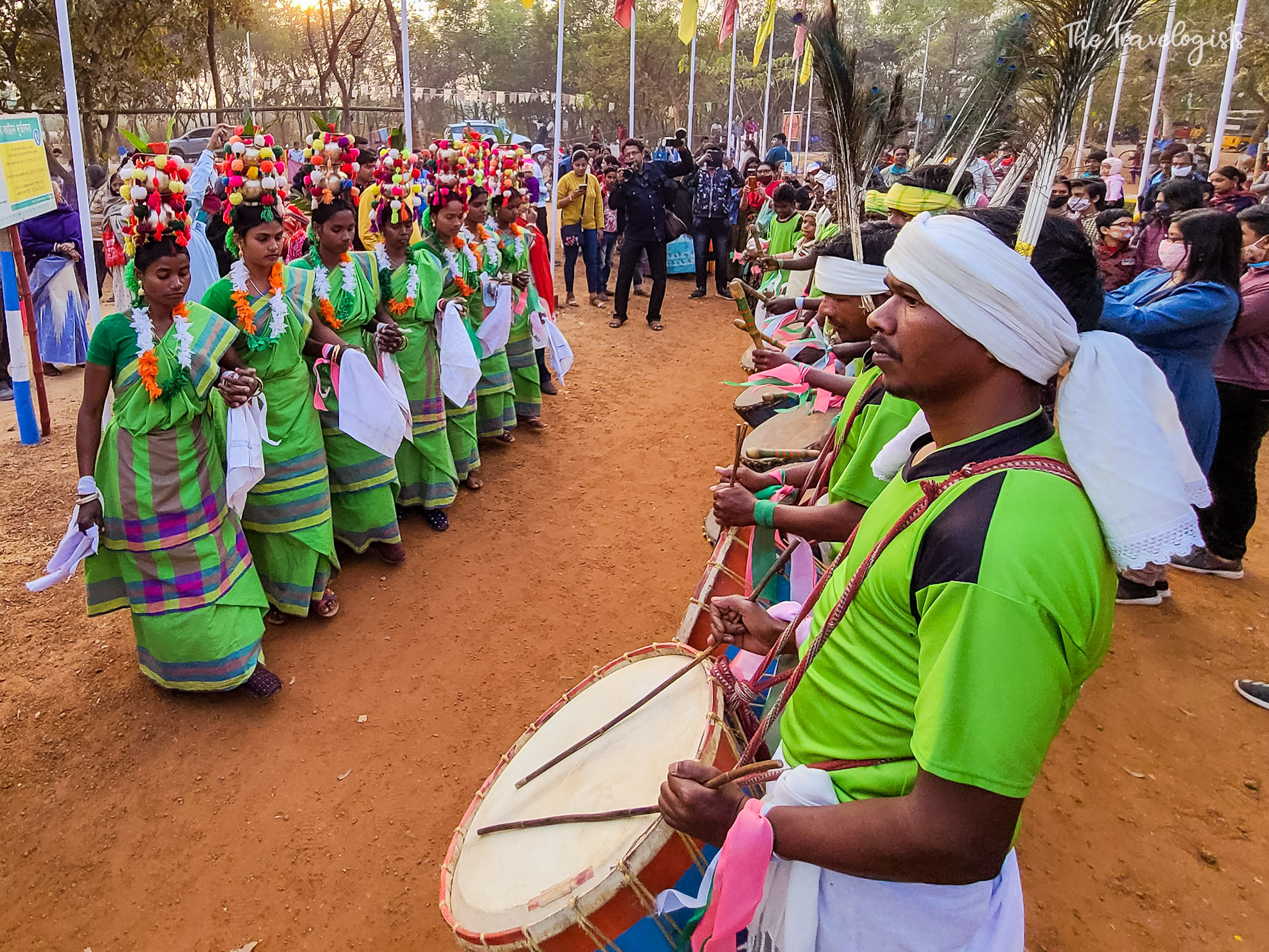
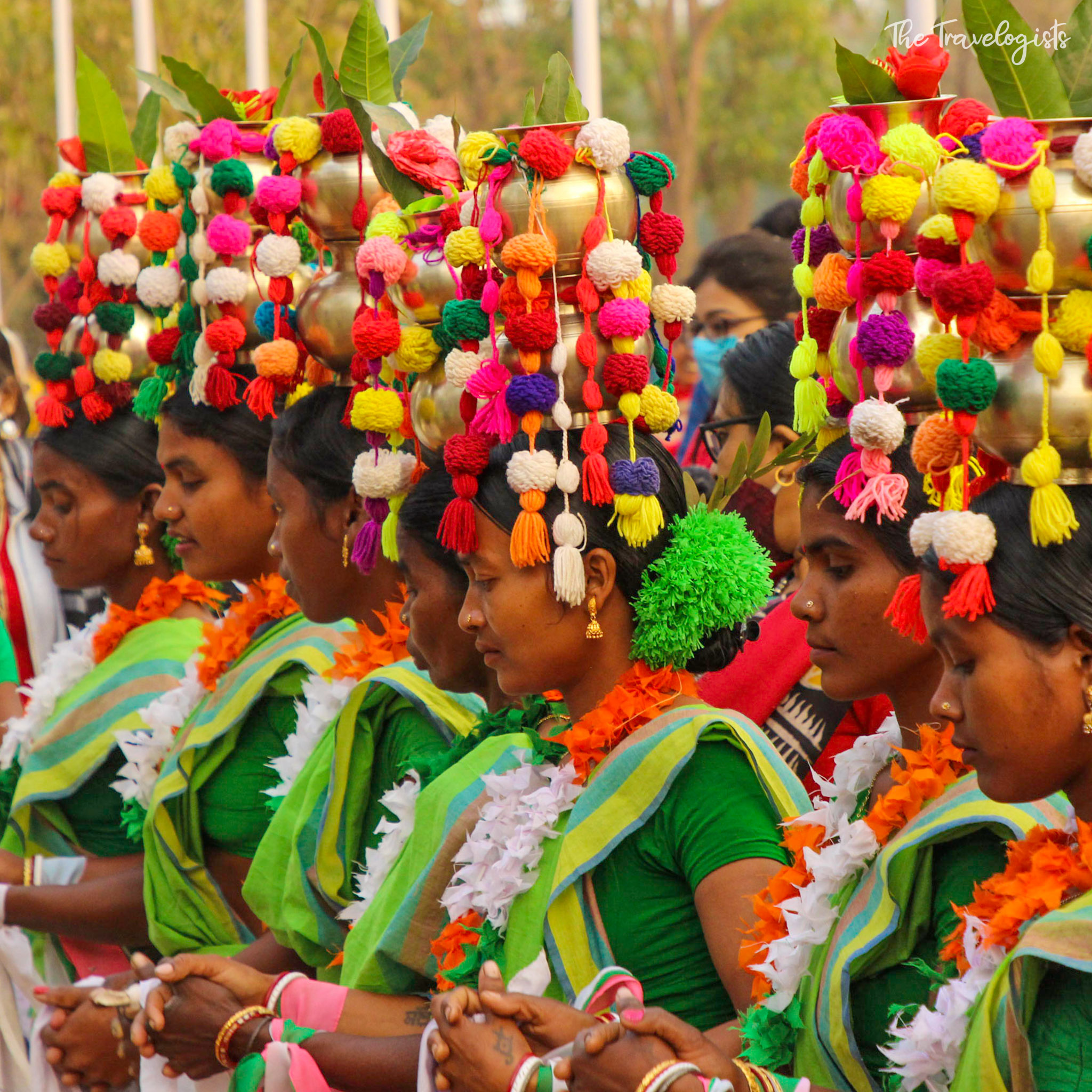
- Visit the Pora matir haat while in Bishnupur. Apart from the temples, terracotta pottery, articrafts and even jewellery are popular in Bishnupur, and you can shop for all of these at the Pora Matir haat. There are also dance performances by the local villagers.
How to reach :
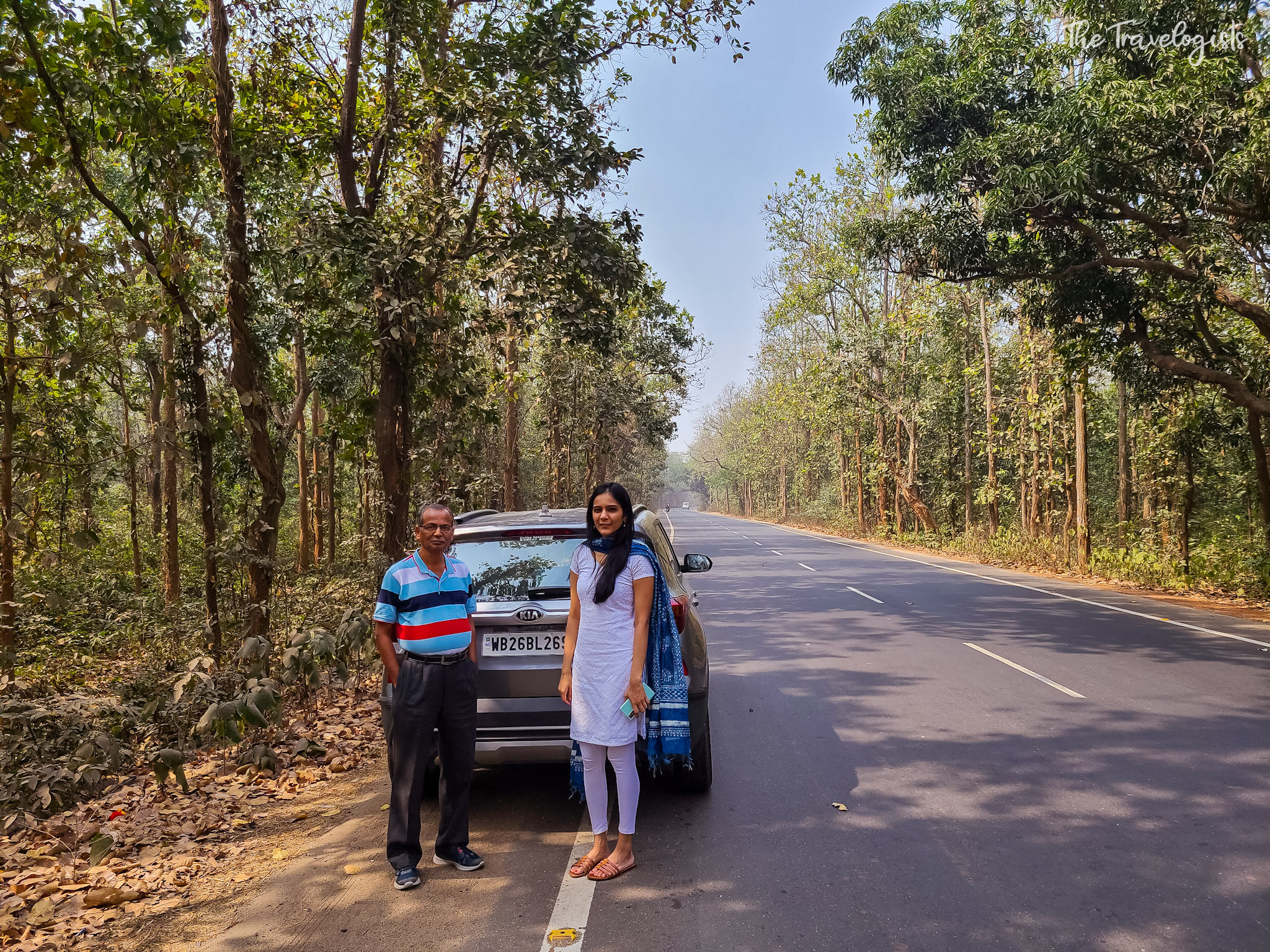
While there are many routes to reach Bishnupur, we had an early start and took the route via Arambagh. From Arambagh, we took a short detour to see Kamarpukur and Jayrambati (Birthplaces of Sri Ramakrishna Paramhansa and Sarada Devi). Parking is extremely limited near the temples, so it is better to park once you enter Bishnupur and hire local transport such as Toto.
Shantiniketan
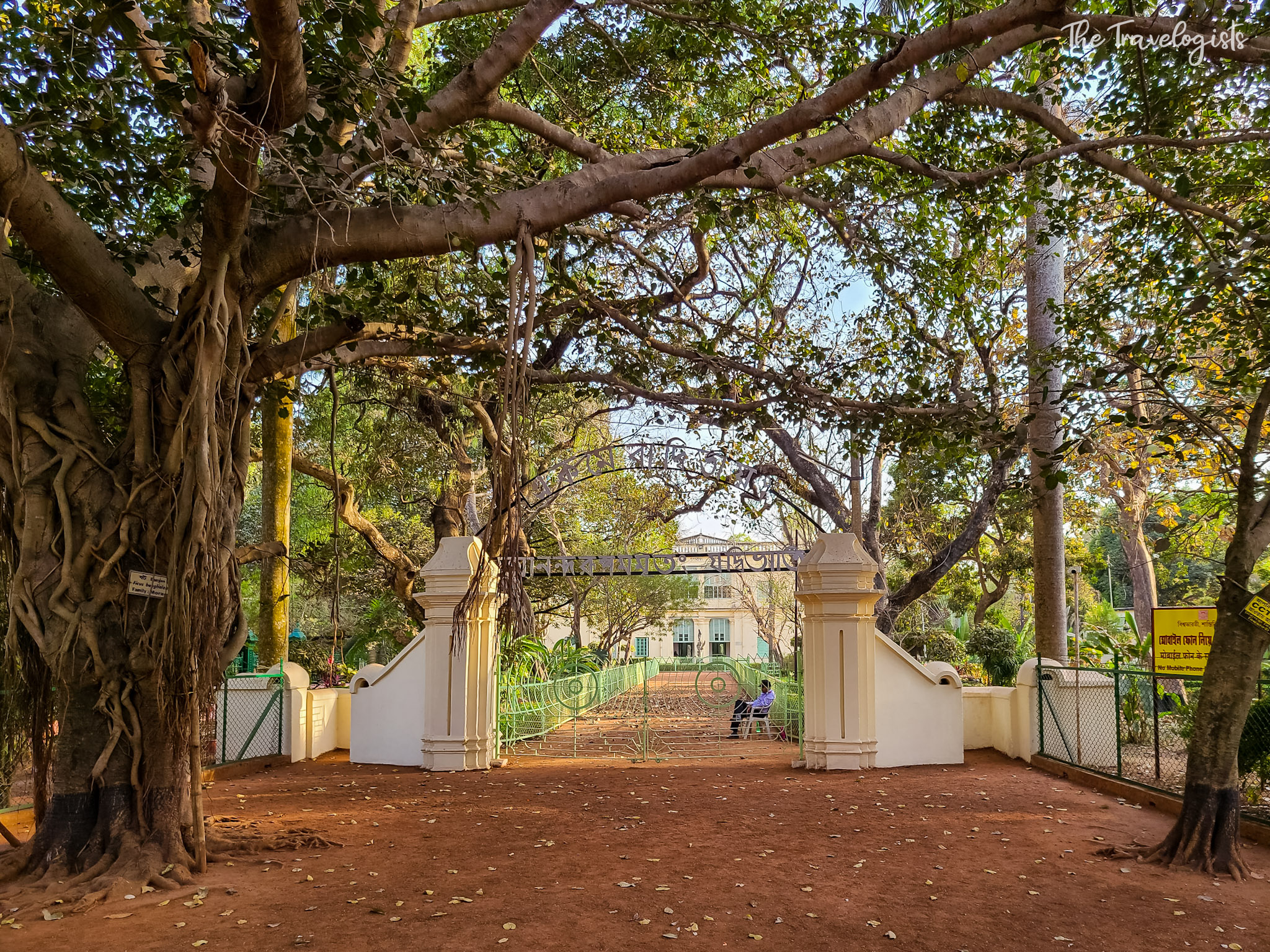
The very word Shantiniketan evokes a strong emotion in every Bengali, the place where Rabindranath Tagore envisioned education in harmony with nature still has strong literary and artistic heritage. Today Shantiniketan has many resorts and hotels around, making it an ideal weekend trip. And people keep going back year after year, drawn by the peace and tranquility of the area!
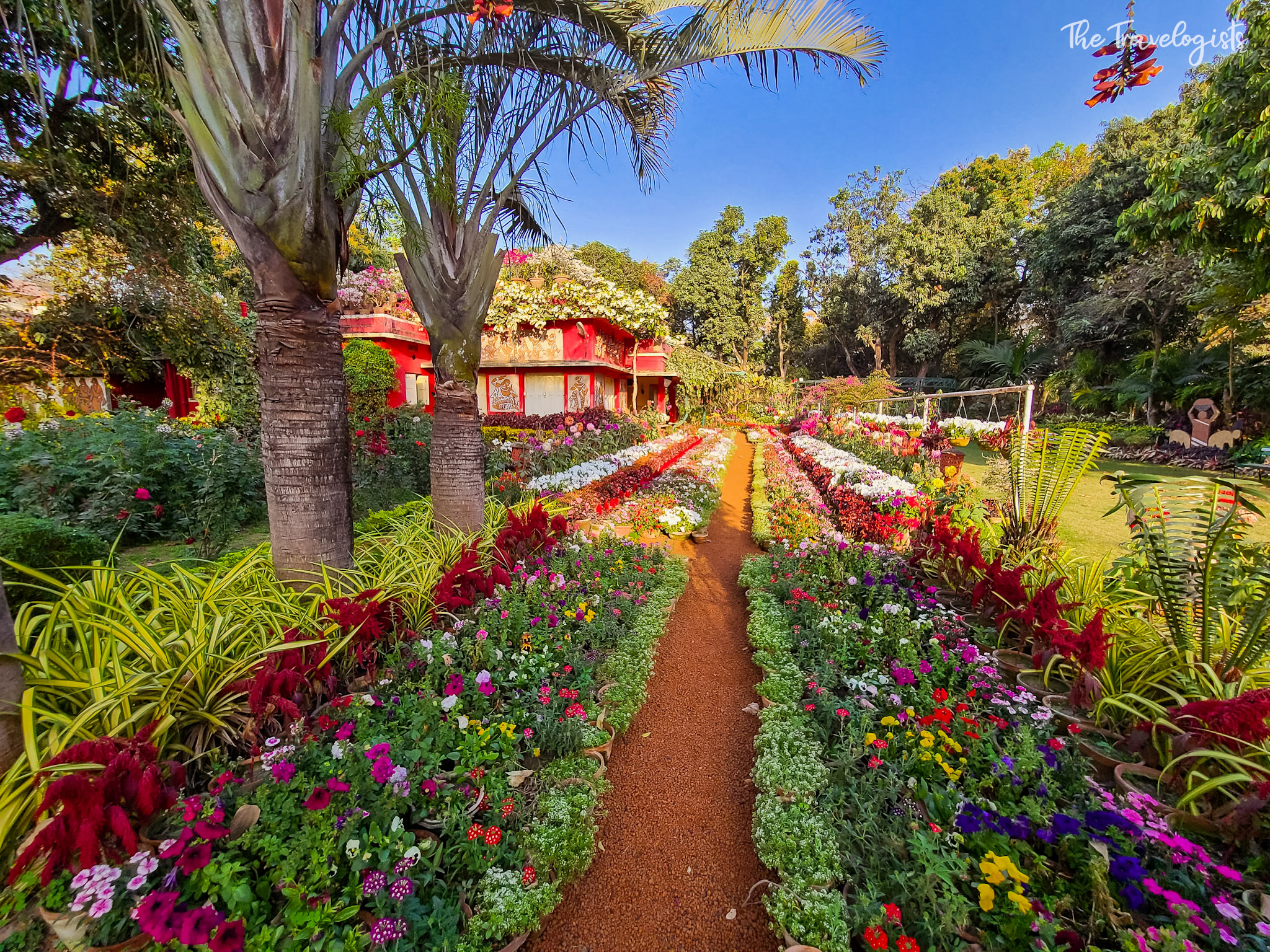

Highlights:
- Shantiniketan is famous for the world-renowned Viswa Bharati University, founded by Rabindranath Tagore in 1921. The unique thing about the University is that its classes are often held in the open! Hire a rickshaw for a tour of the beautiful campus
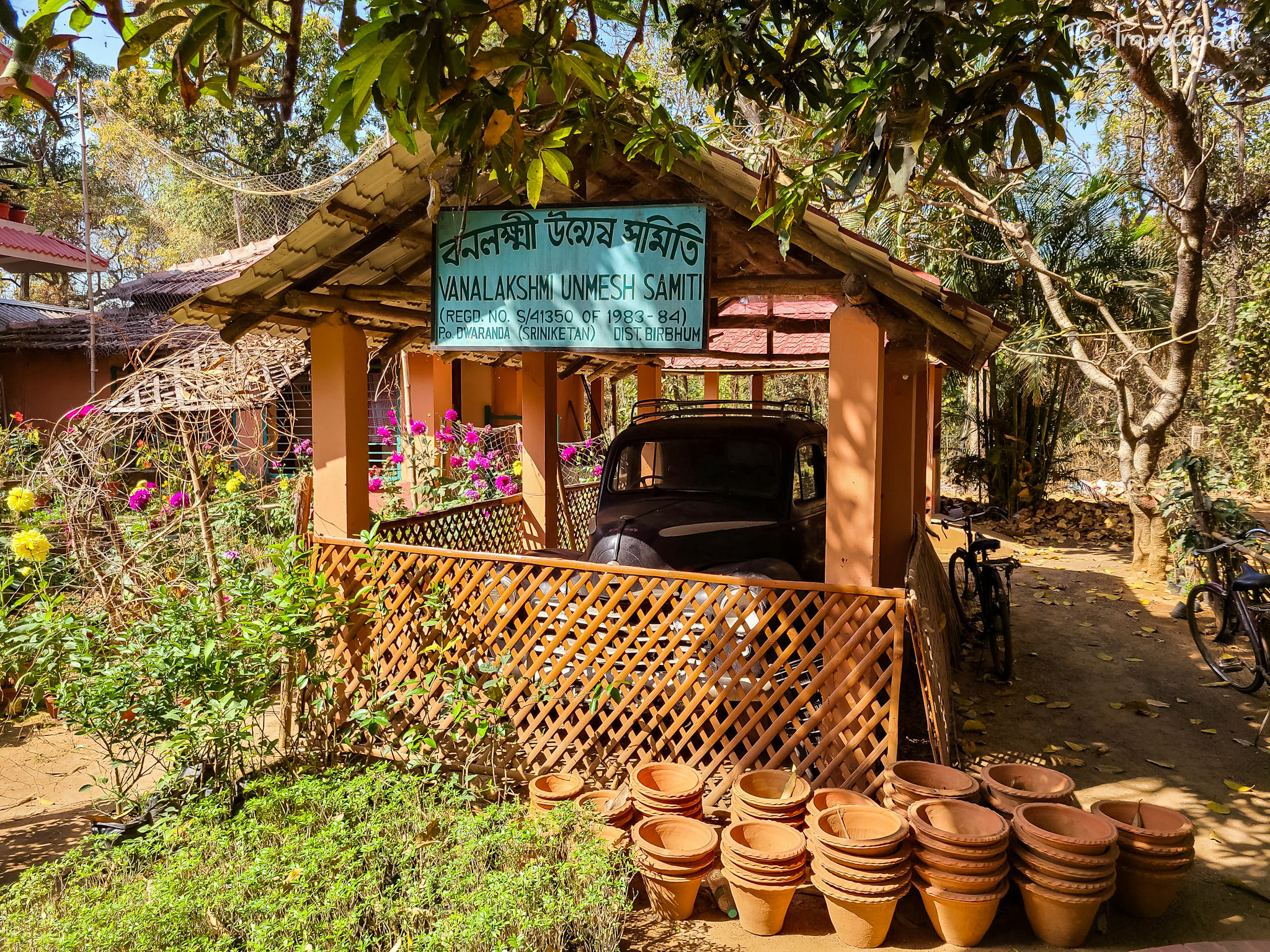
- Visit Banalakshmi (Bengali: বনলক্ষ্মী), large green reserve and a center for rural development, is 12 kilometers from Shantiniketan and is the center of a small cottage industry. Handicrafts and various organic products like honey, etc are sold here. Don’t miss the fabulous bengali lunch thali! It’s very popular so be prepared for a wait.
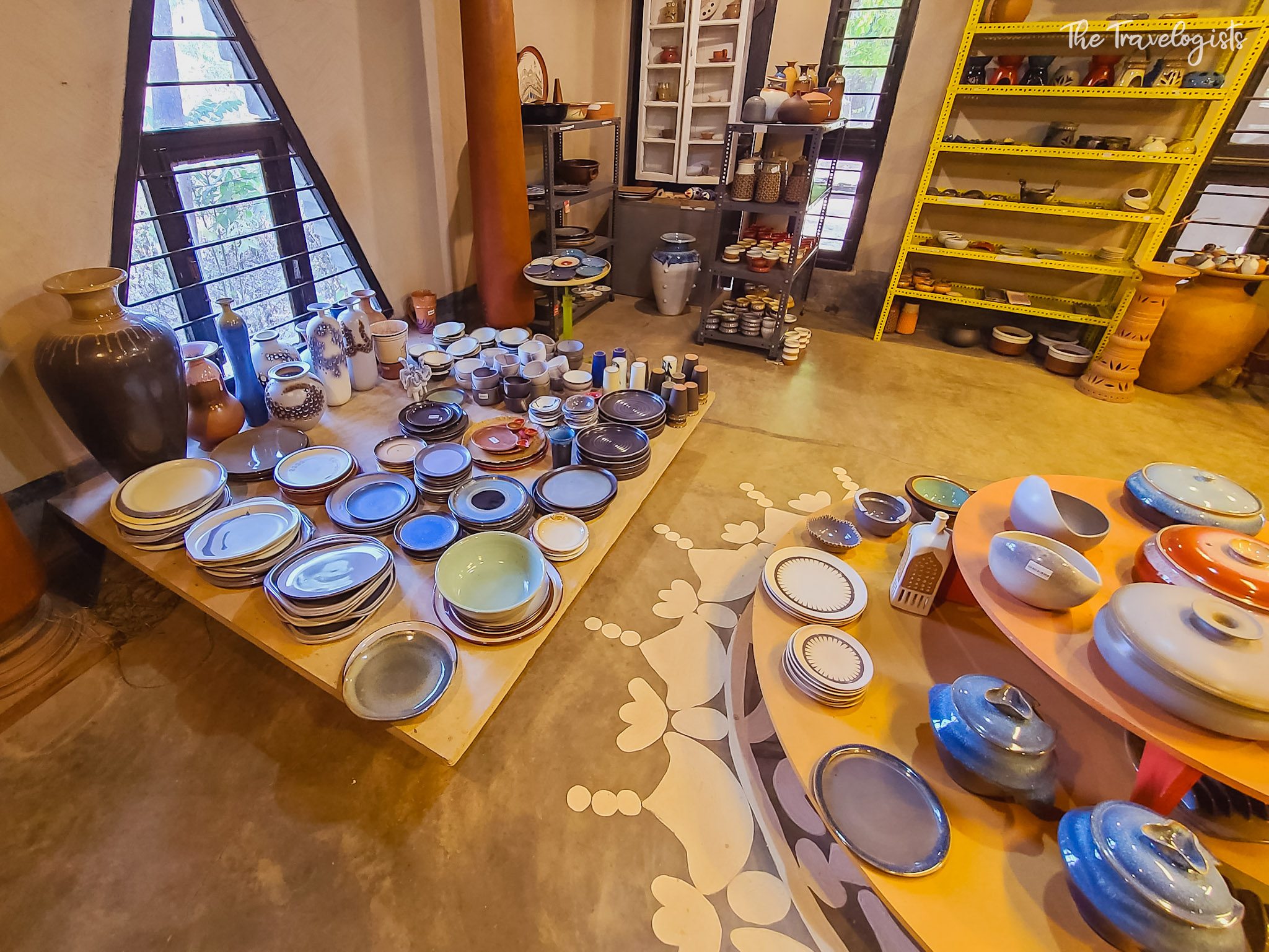
Tip:Search for “Vanalakshmi Unmesh Samiti” in Google Maps - Visit the many pottery studios in and around Shantiniketan. One of the best studios is located just behind Banalakshmi, called Sienna Studios.
- Visit the Sonajhuri Haat, a weekly fair held every Saturday. Ask the locals for the directions (Google might redirect you via narrow roads, always ask the locals). Once you reach, there is parking available in the nearby fields. At the haat, local artisans sell everything from clothes, handloom, handicrafts, ethnic jewellery, etc to local dishes such as pithe and payesh.You can also enjoy Baul music and local dances at the haat. The timing of the Haat is 2PM to 6PM every Saturday.
How to reach:
The route to Shantiniketan is easy, I followed Google Maps without any hiccups. Once inside the town, exercise caution and ask locals for directions.
Murshidabad
Murshidabad is a city steeped in three hundred years of history. In fact, it was the last capital of independent Bengal, under the rule of Nawab Murshid Quli Khan, who moved here from Dhaka. After the battle of Plassey in 1757, Murshidabad came under the control of the East India Company, who soon moved the capital of Bengal to present-day Kolkata. For any history buff, Murshidabad is a must visit destination.
Highlights:
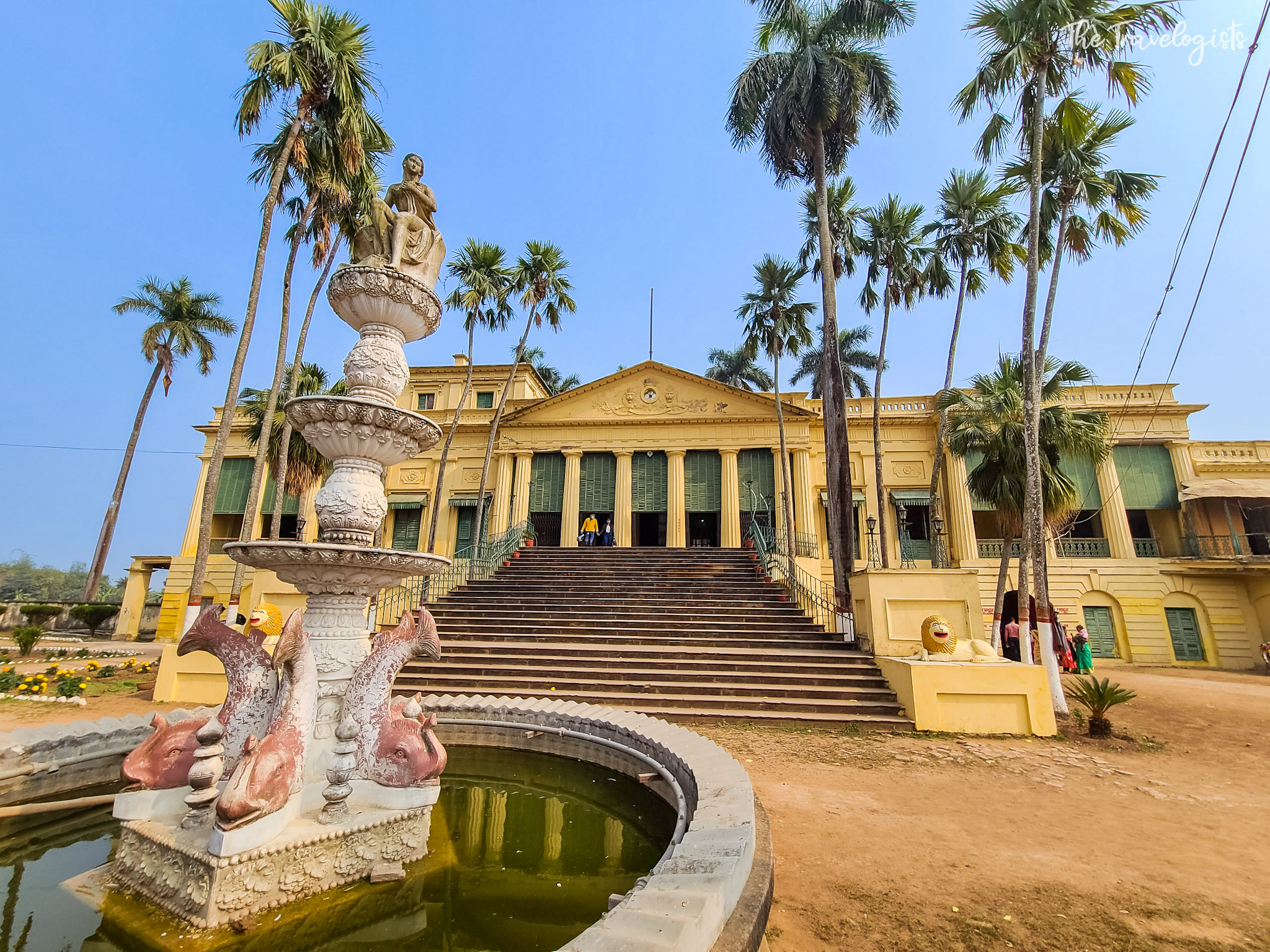
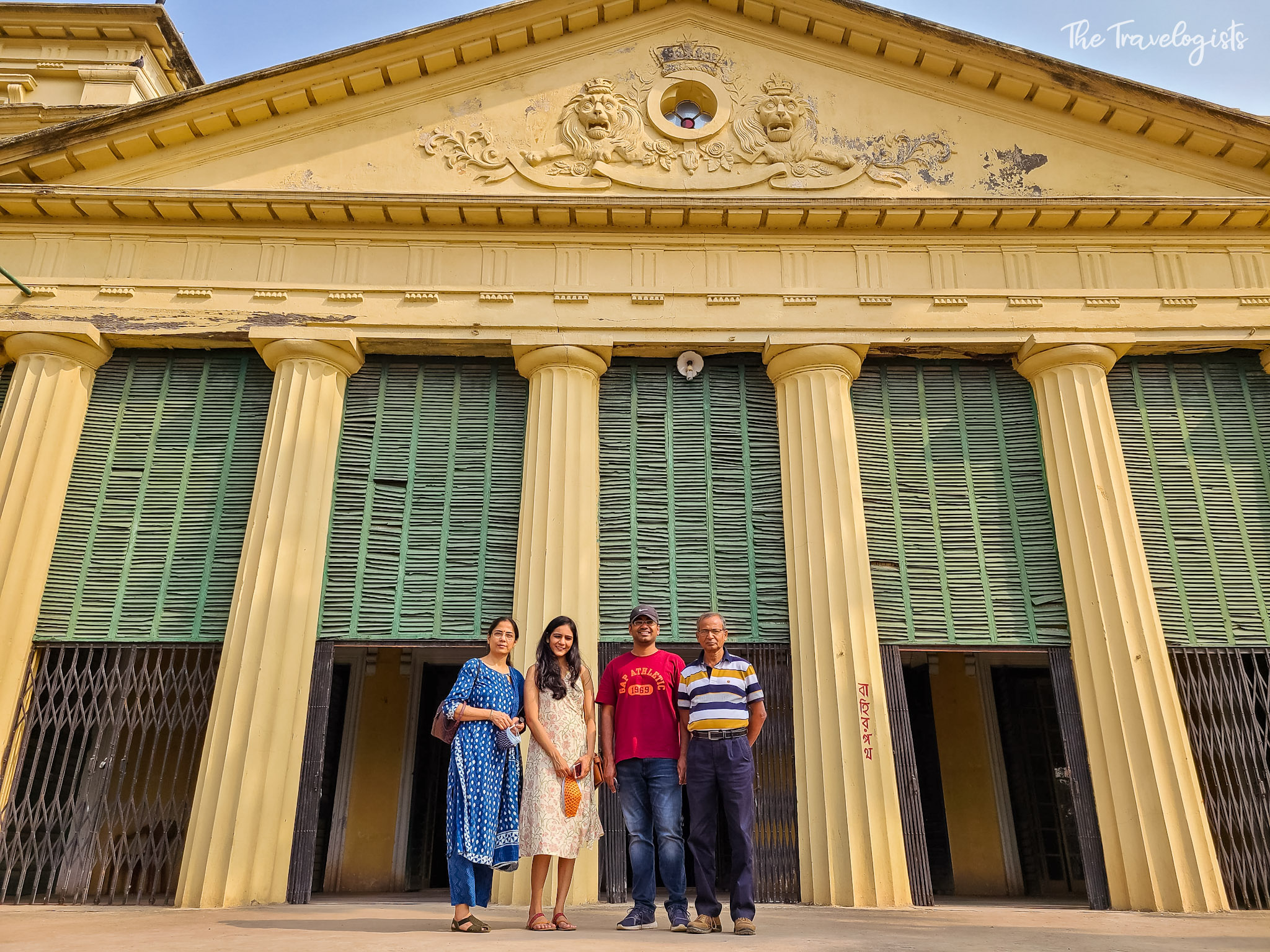
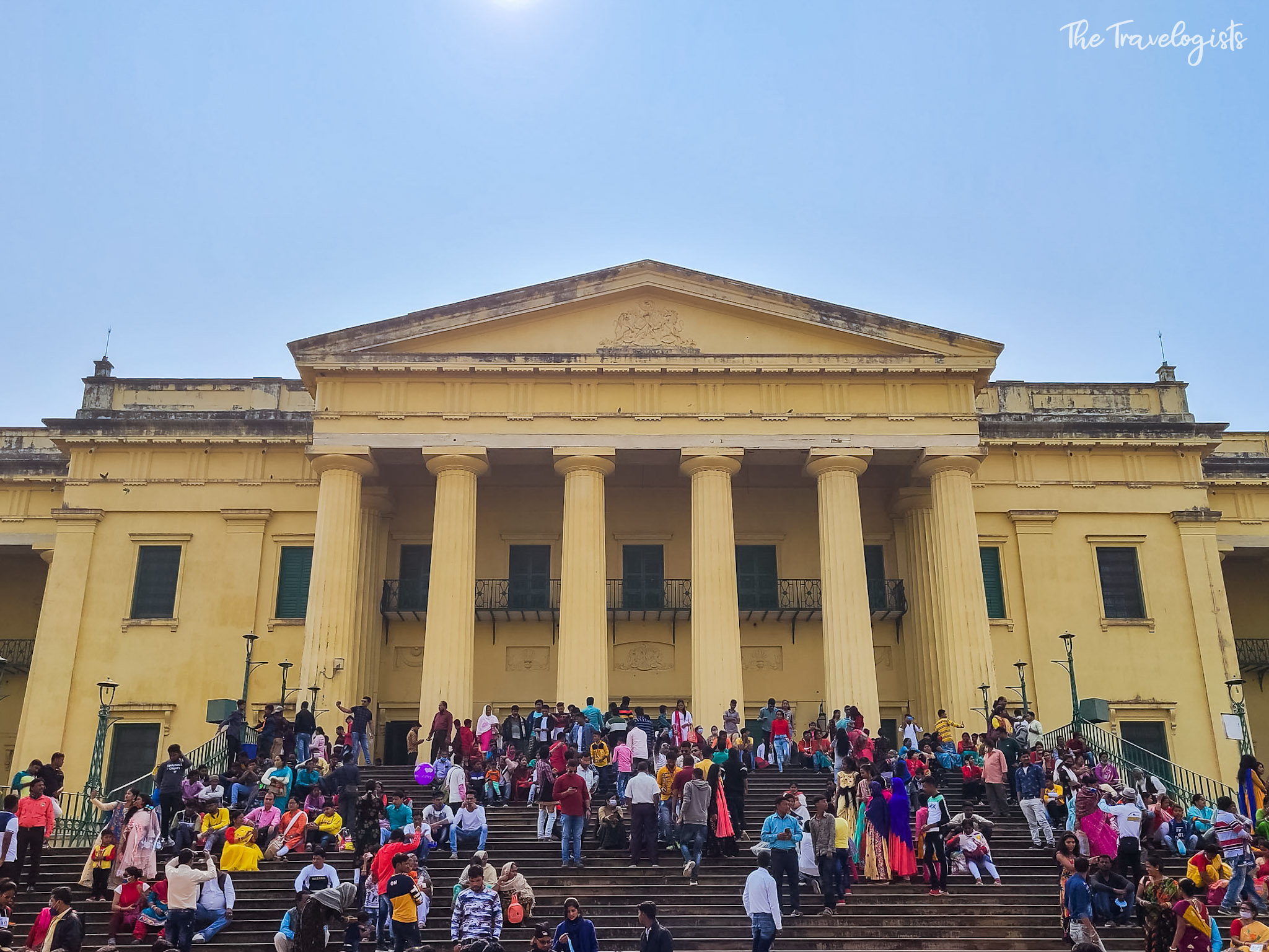
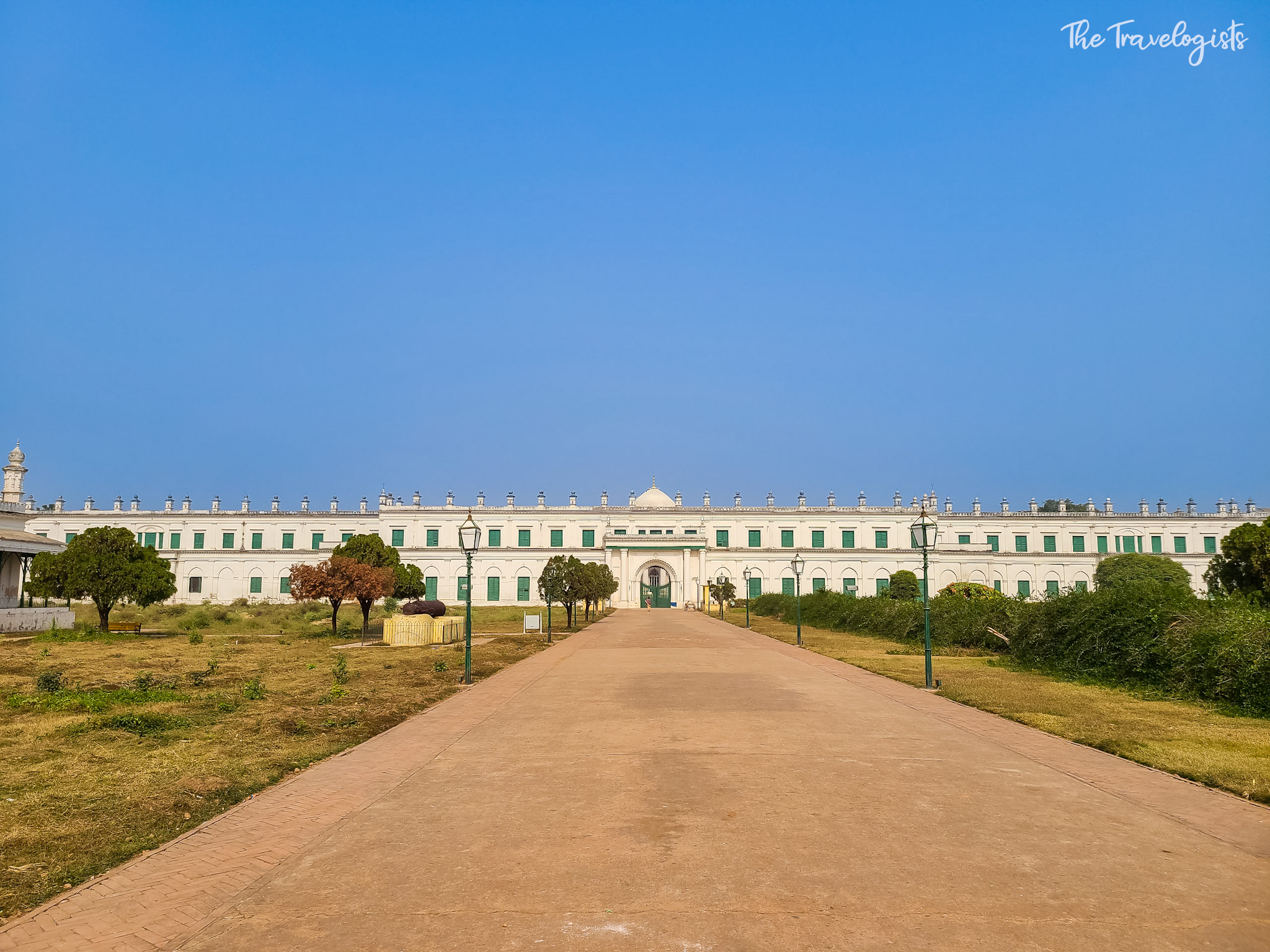
- Hazarduari Palace, or the Palace of a thousand doors, is the most popular attraction in Murshidabad. The palace is now a museum and has an exquisite collection of armour, paintings, portraits of the Nawabs, and various other pieces of art. There are a few other monuments close by, including the Nizamat Imambara – the largest Imambara in Bengal.
- Jahankosha Cannon – A huge cannon installed near the Katara Masjid, with a lot of interesting history behind it
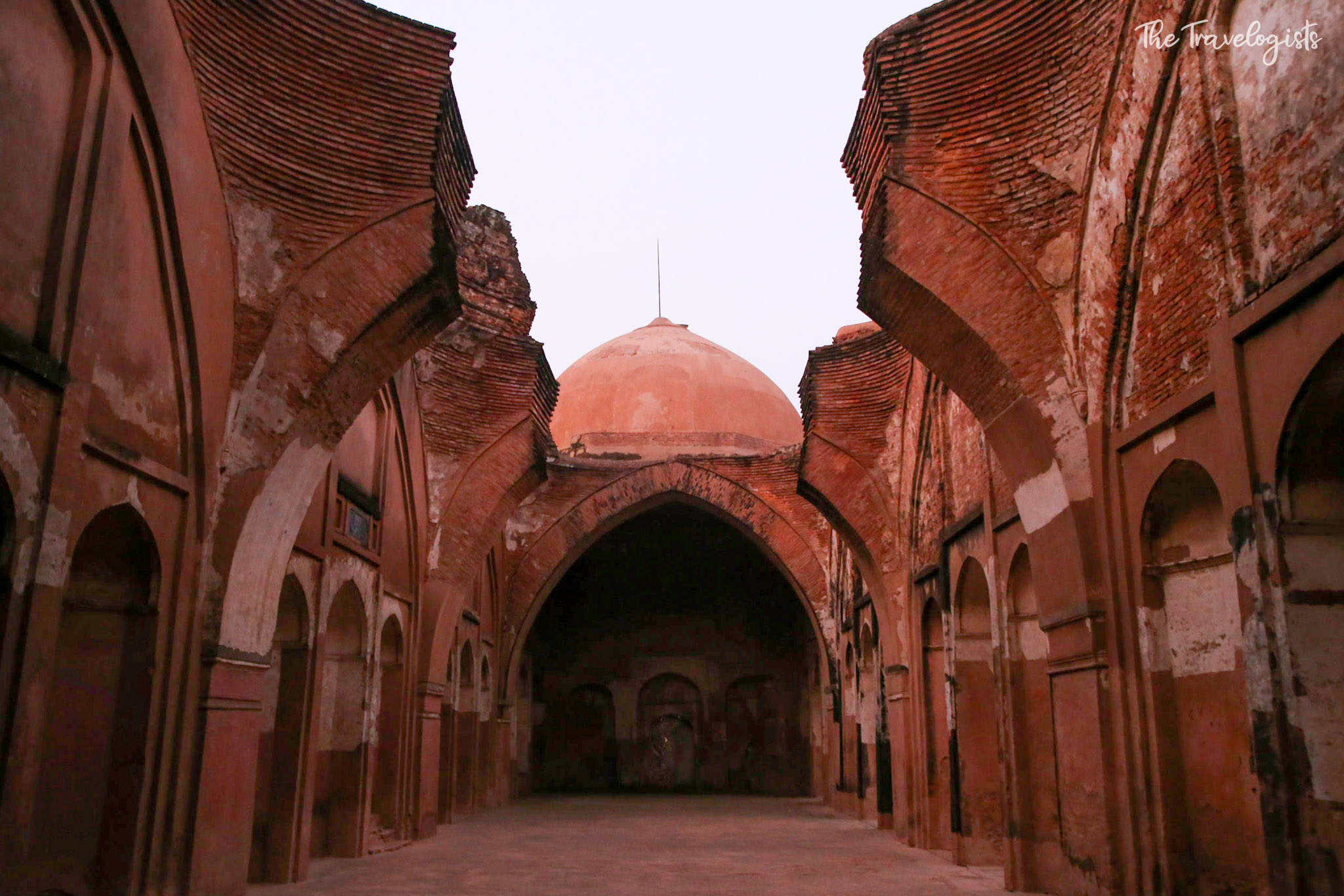
- Katara Masjid – Located 3 kilometers from the Hazarduari Palace complex, this is also one of the top sights in Murshidabad. It was built by Nawab Murshid Quli Khan between 1723 and 1724, and he was buried here after his death. Parts of the mosque are in ruins today, and today the whole complex is maintained by the Archaeological Survey of India (ASI). The Katara Masjid closes at sunset.
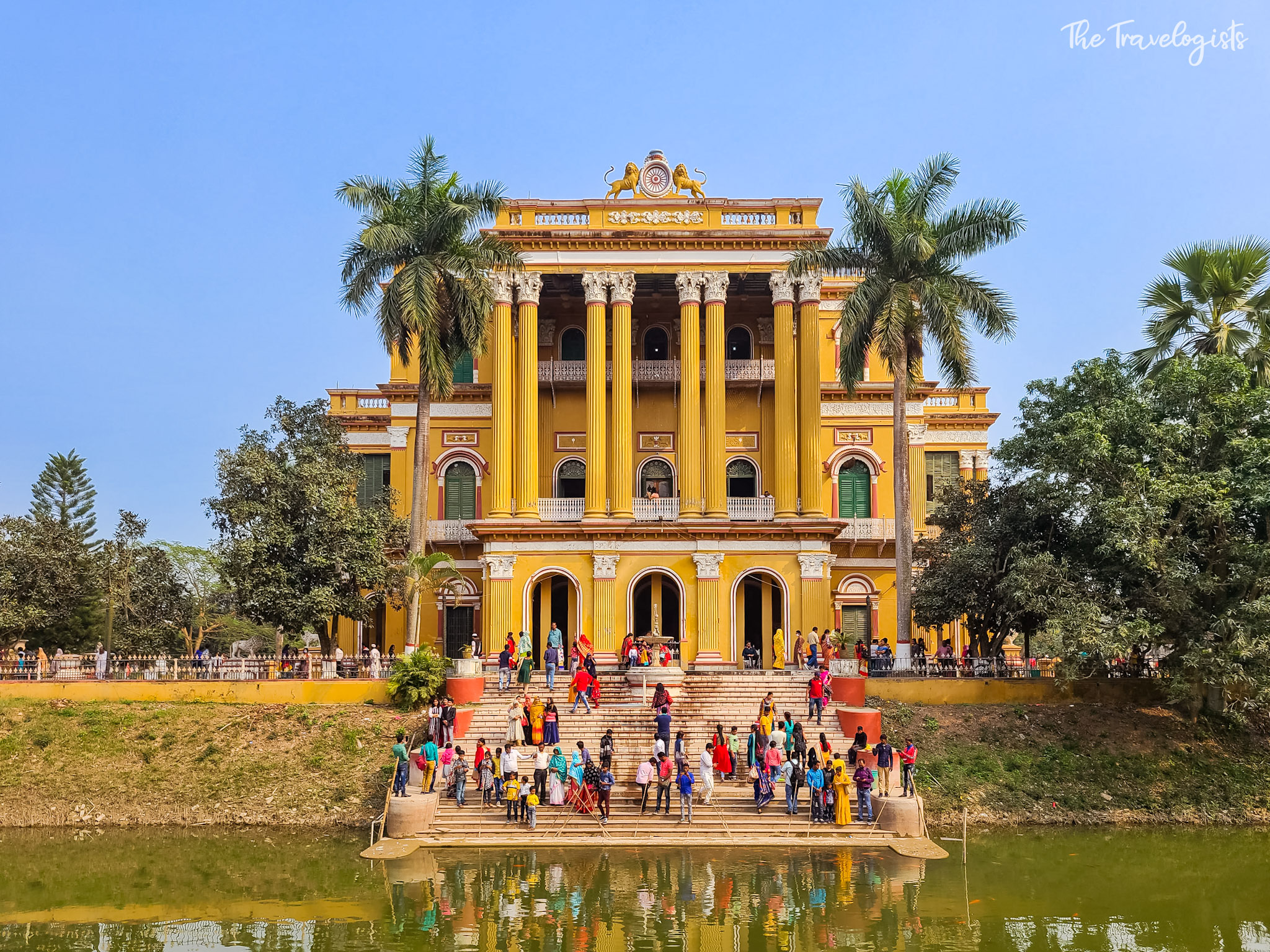
- Kathgola Palace and Bagan (garden) – A beautiful complex of palaces, temples, gardens, ponds and a stepwell.
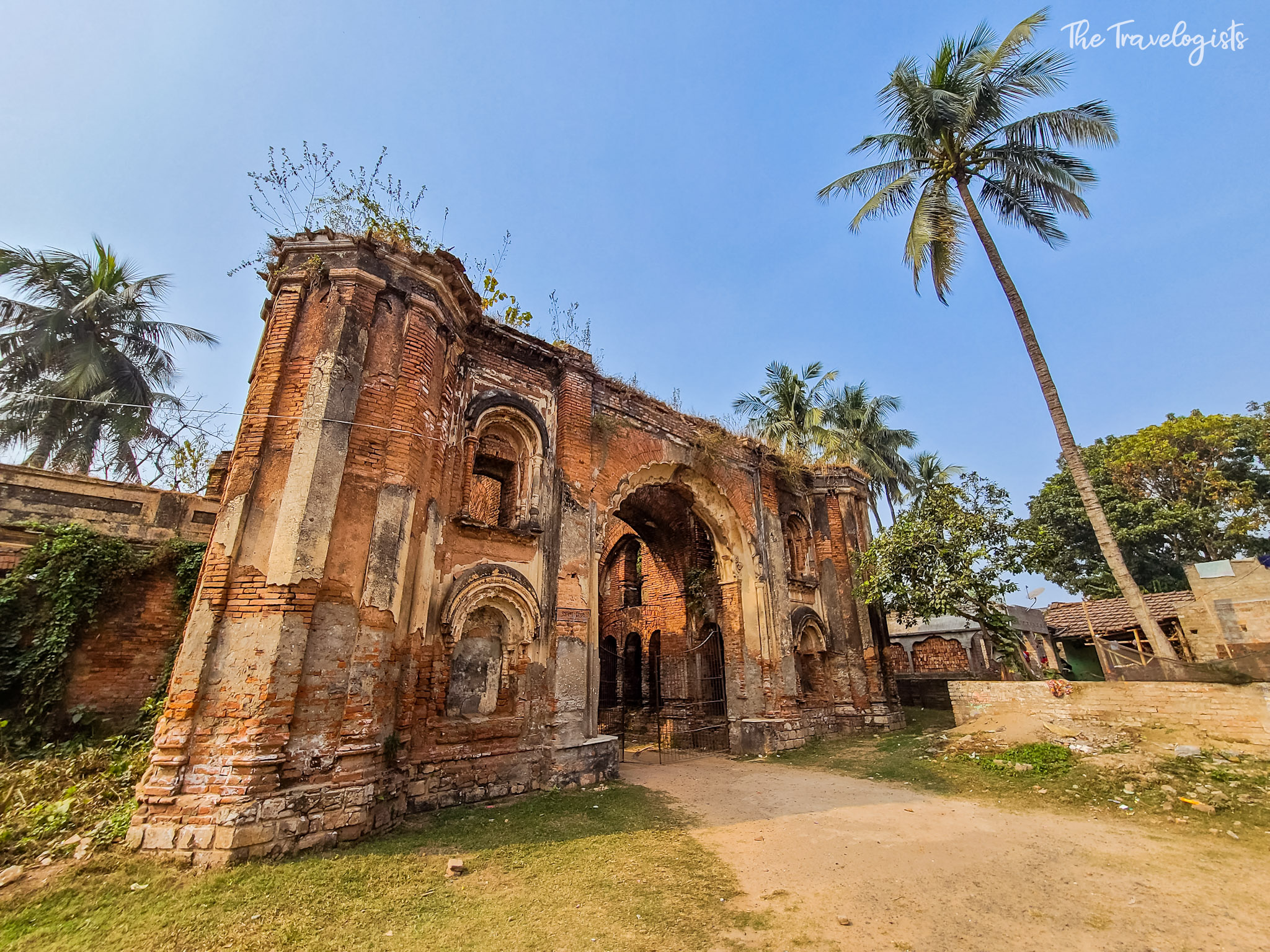
- Nasipur Palace – Built by Debi Singh, a tax collector for the British, Nasipur palace is built following the design cues of Hazarduari palace. Hire a guide and listen to the interesting history of the house, including stories about capital punishment and hangings!
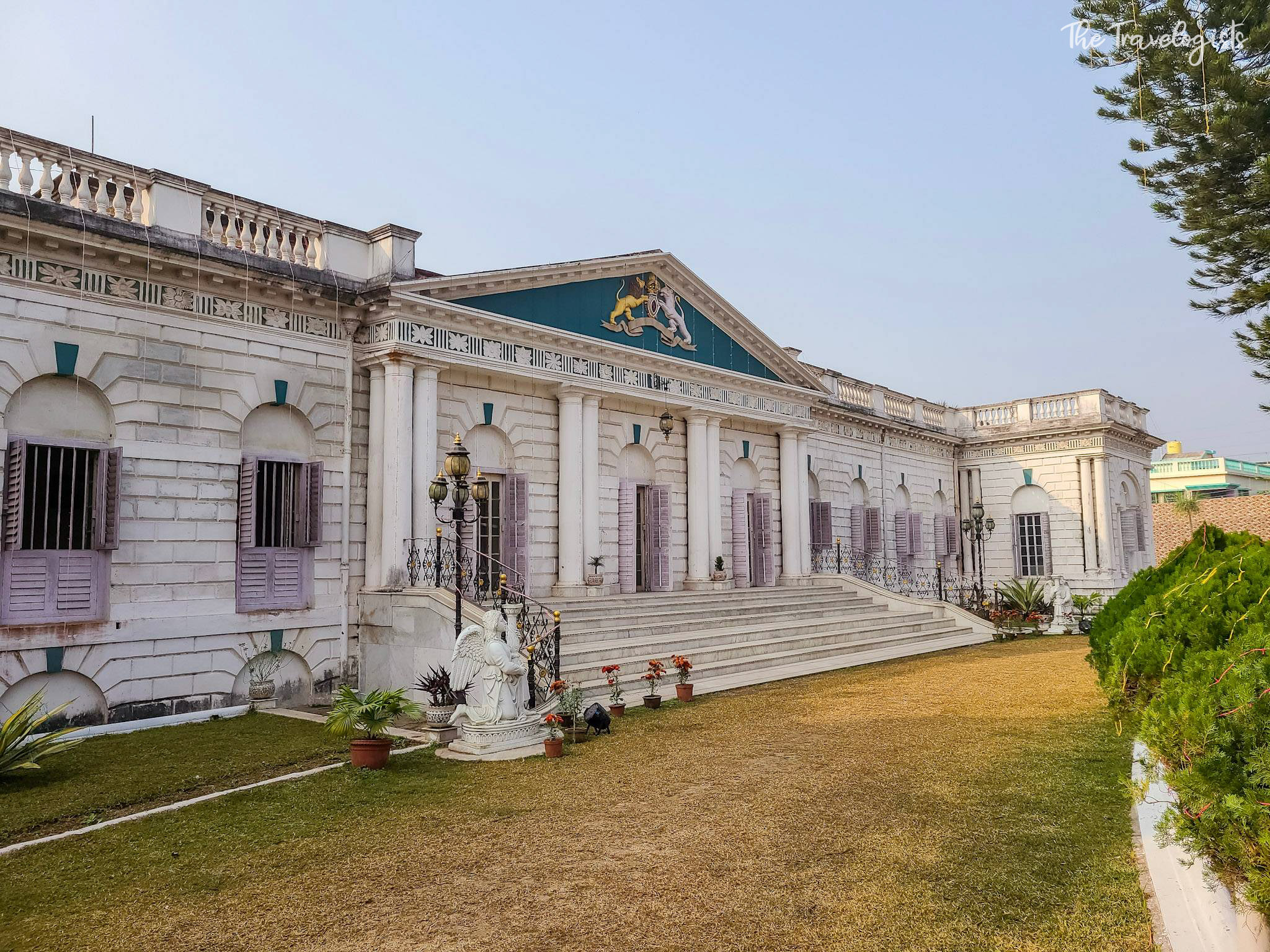
- Cossimbazar – 30 Kilometers south of Murshidabad lies the erstwhile trading hub of Cossimbazar. There are two palaces here, Cossimbazar Chhoto Rajbari (Cossimbazar Palace of the Roys) and the Cossimbazar Boro Rajbari. The Choto Rajbari today houses a museum and a heritage hotel, while the latter is in ruins.
How to reach:
Murshidabad is connected to Kolkata via NH-34. The overall road condition keeps fluctuating, but expect the drive to take 6-8 hours. Once in the town, it is highly recommended to park your car and travel around in a hired toto, as there is no parking available anywhere.
Where to stay:
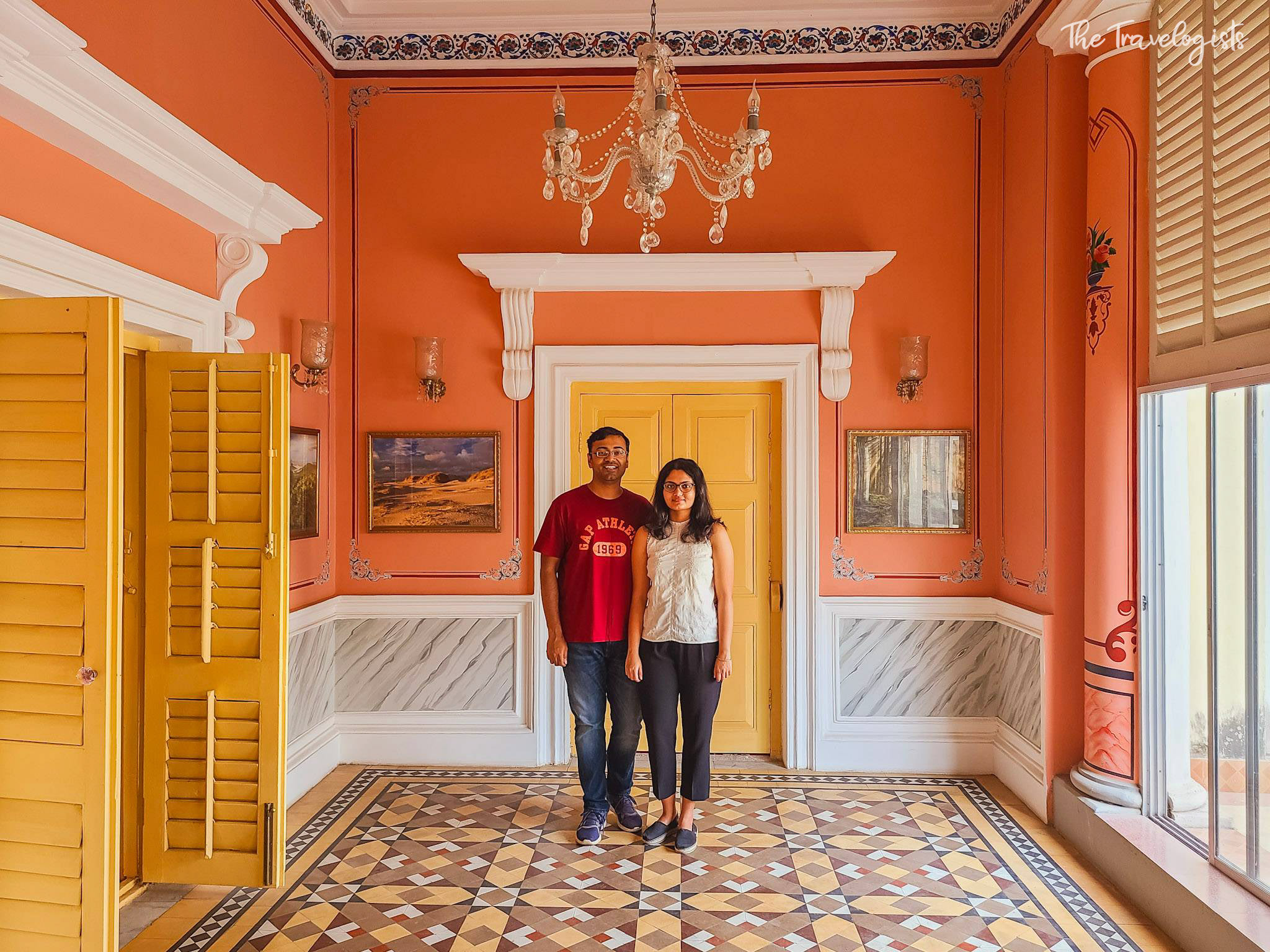
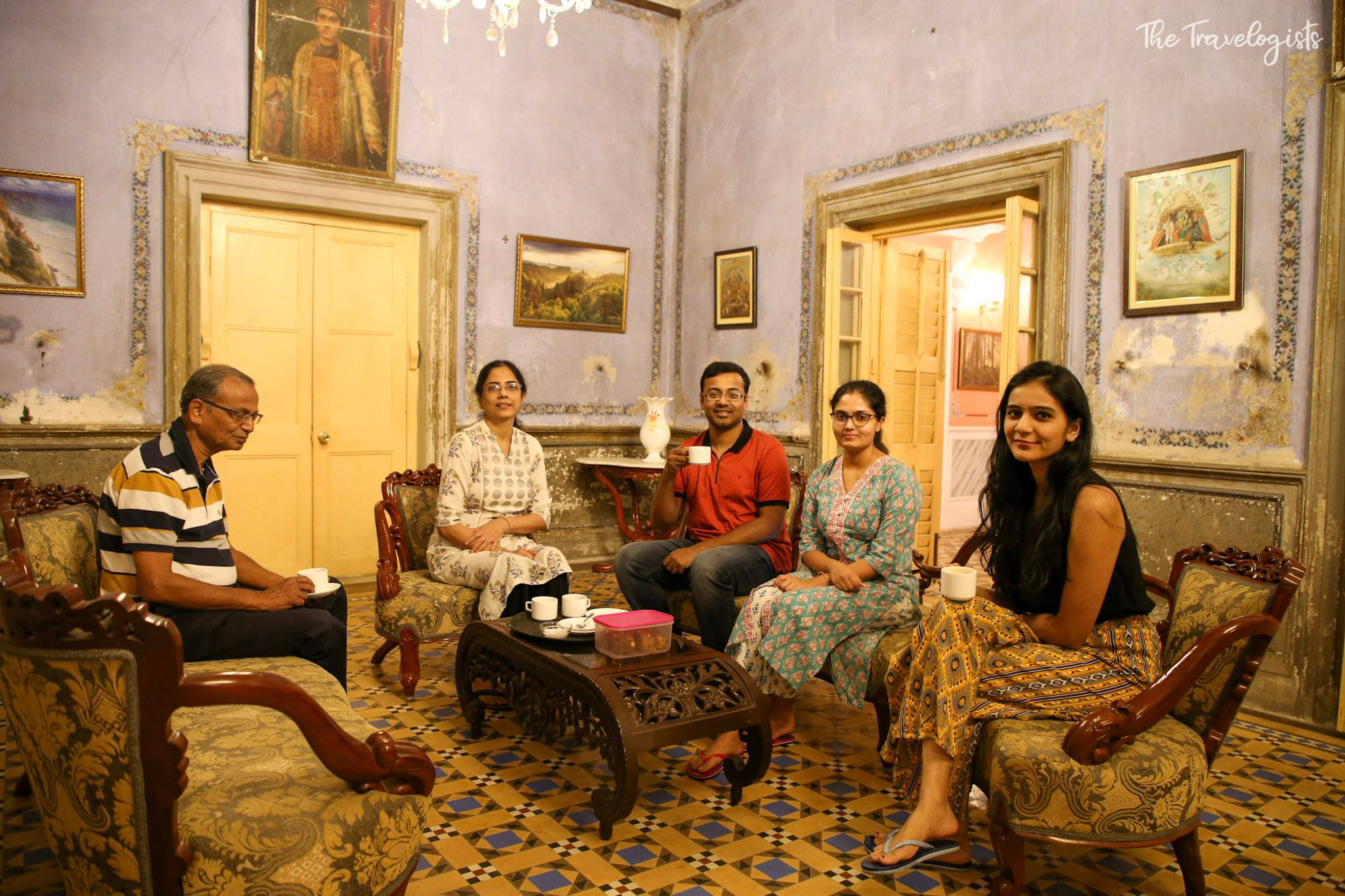
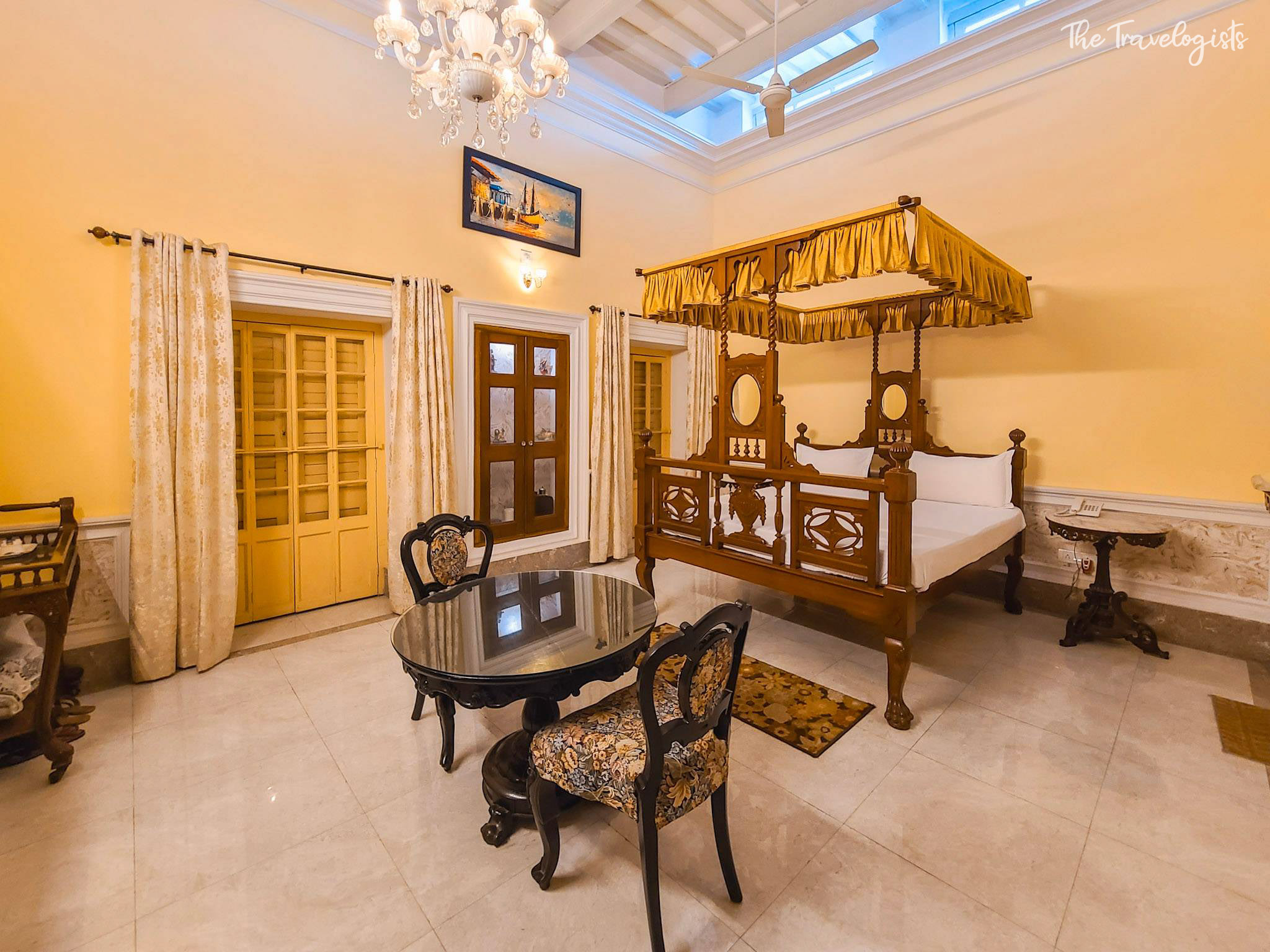
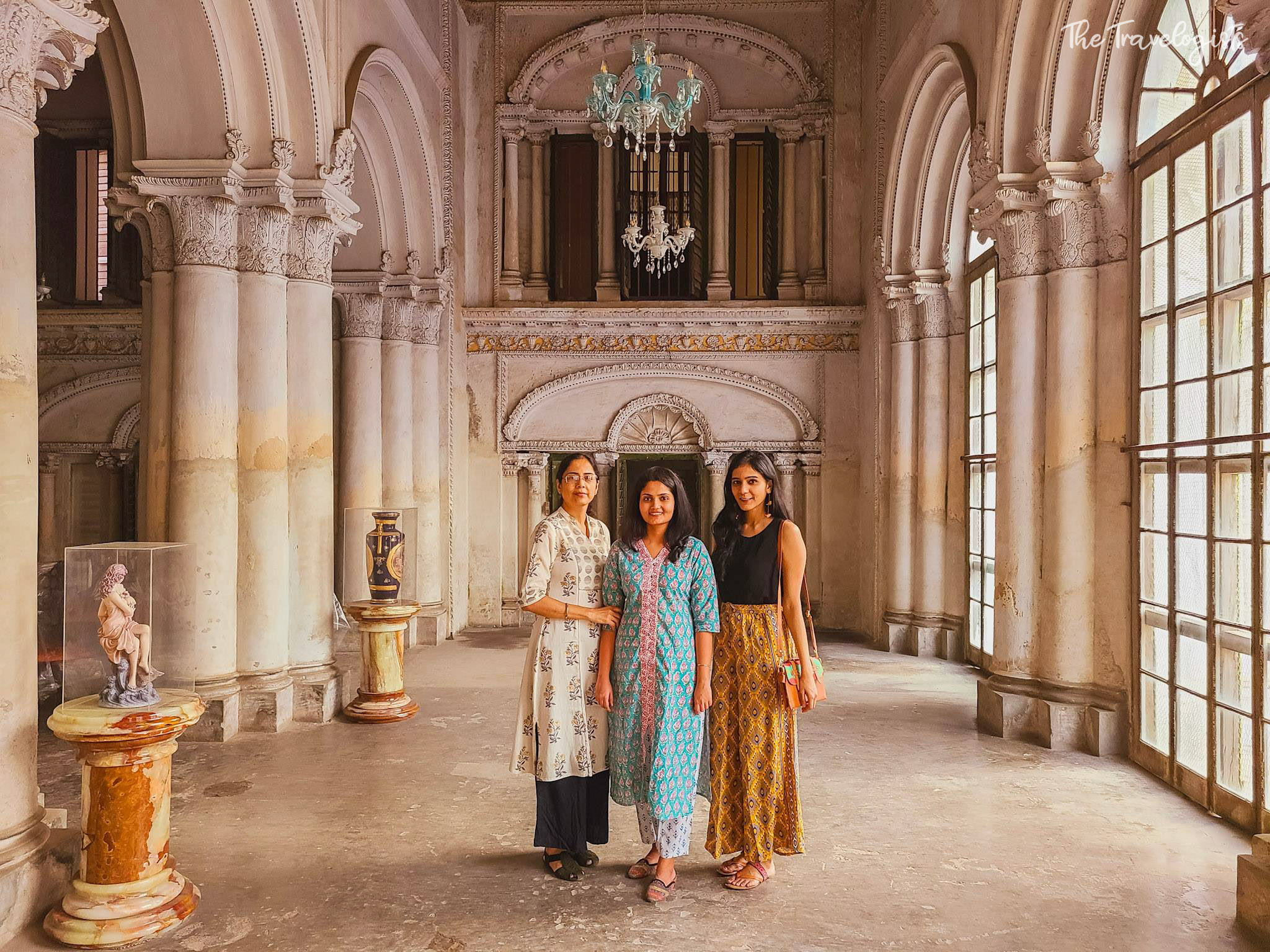
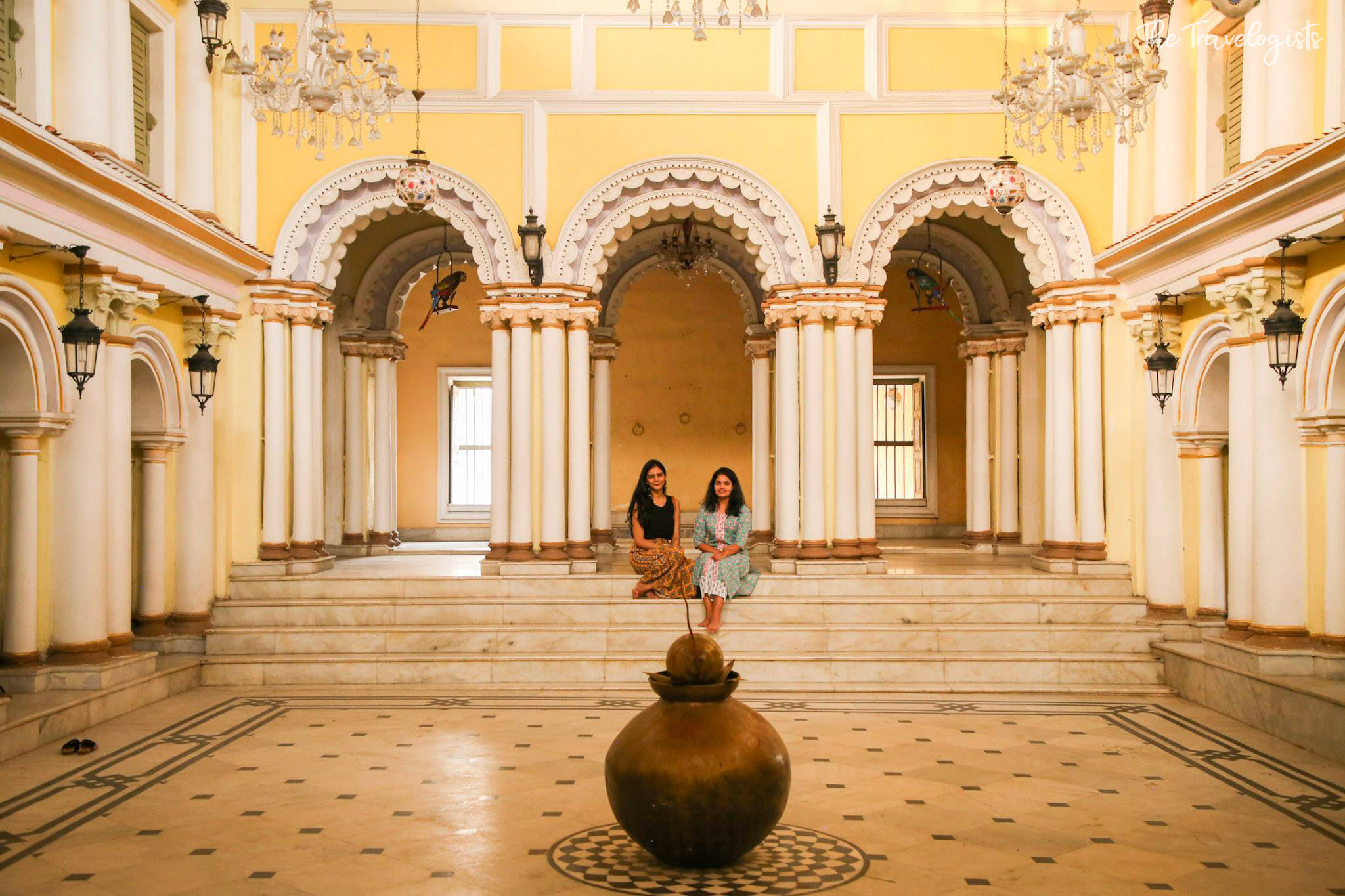
We stayed at the Cossimbazar Chhoto Rajbari (Cossimbazar Palace of the Roys), one of the many old palaces in Bengal that have been renovated and opened up for guests. We had an amazing stay, and will recommend it. Read about our stay here. There is also Bari Kothi, which is getting rave reviews from all those who have visited.
North Bengal
Chamong, Darjeeling, Kalimpong, Lava and Lolegaon
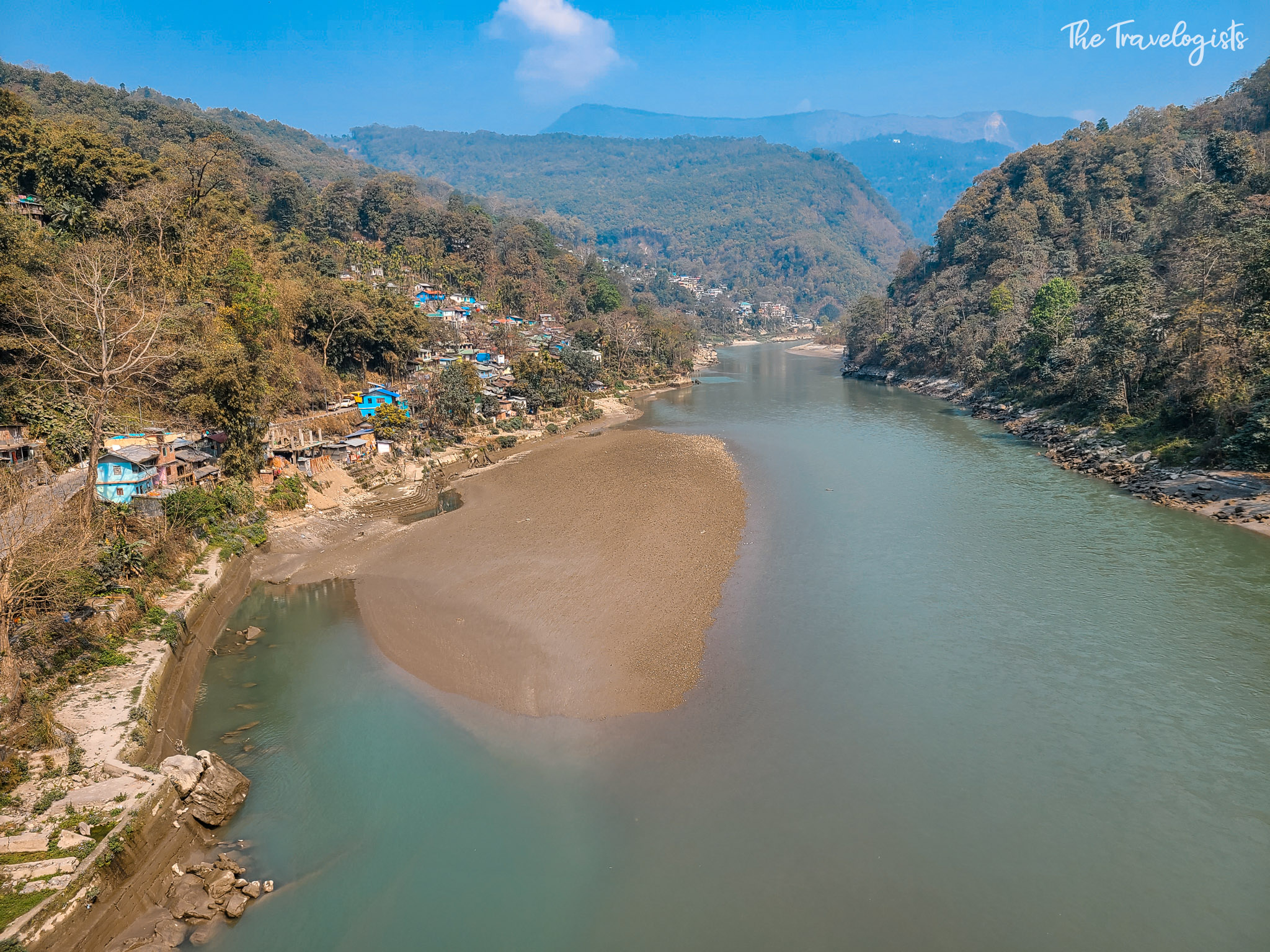
There are many wonderful destinations in Northern Bengal, from the tall Himalayas to the foothills, jungles to tea gardens. Today people are venturing out of the popular hill stations like Darjeeling, visiting hitherto unexplored places and staying at quaint homestays. One can design their ‘North Bengal’ trip a thousand different ways – here is our itinerary covering ten days.
Chamong Chiabari (2 days)
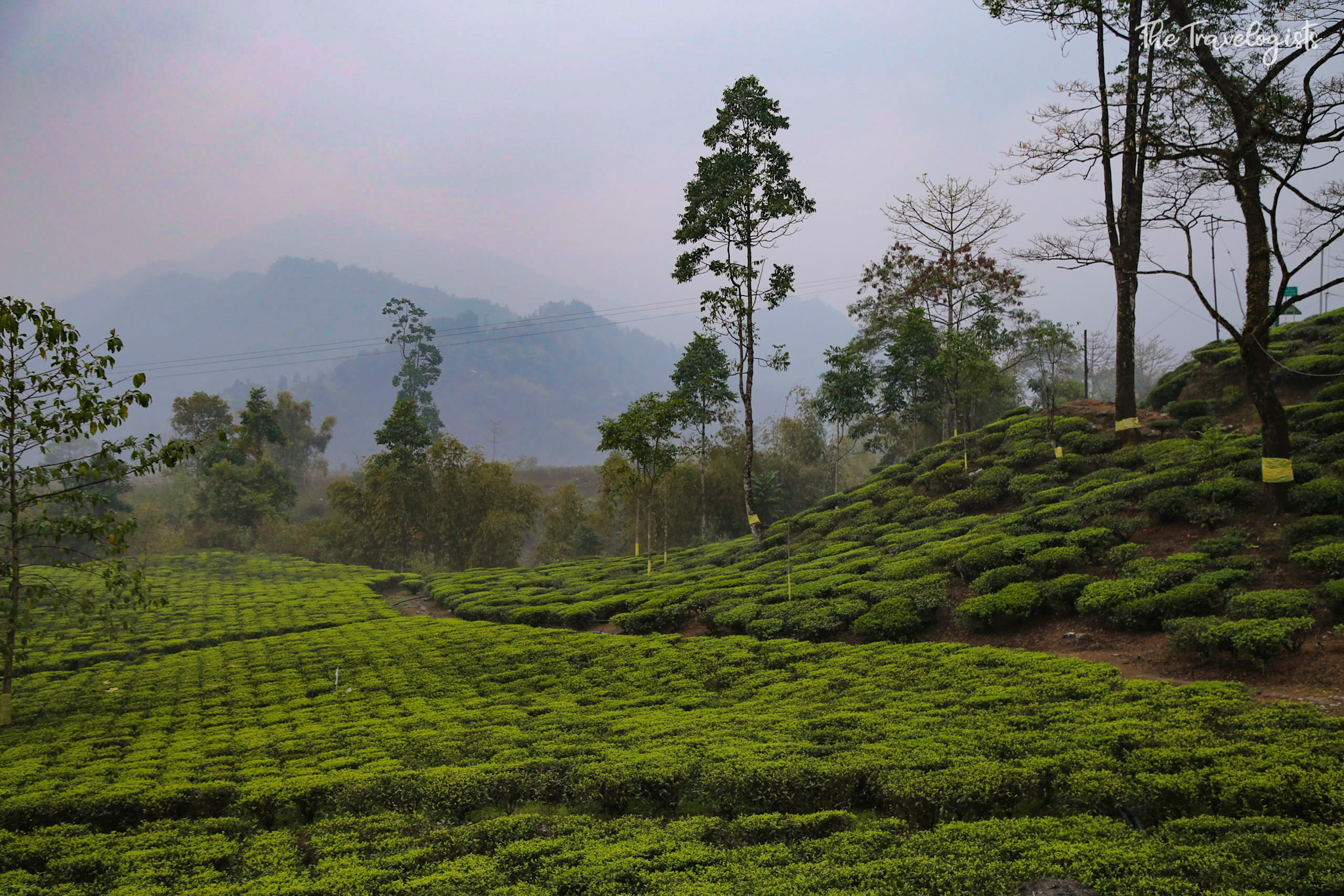
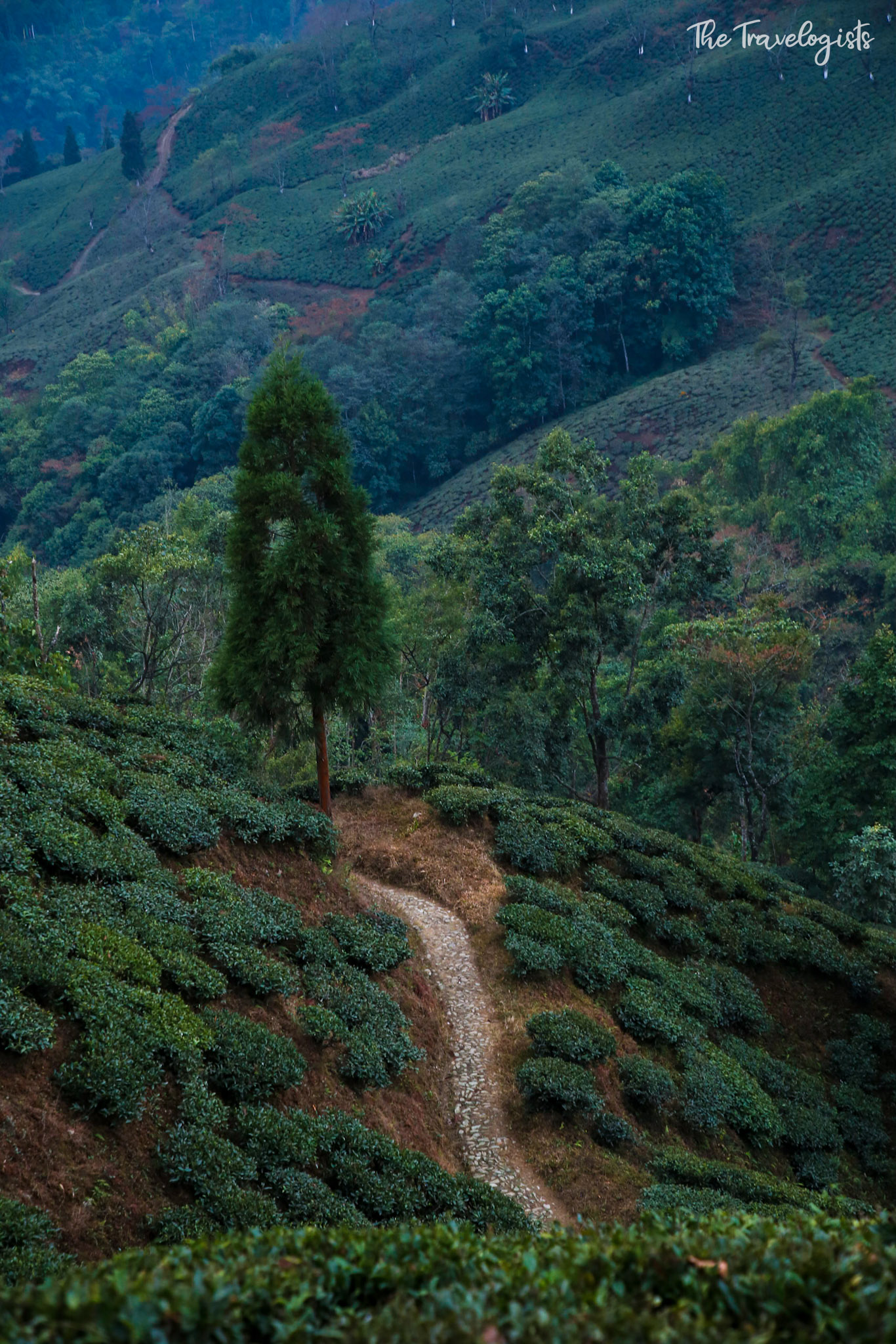
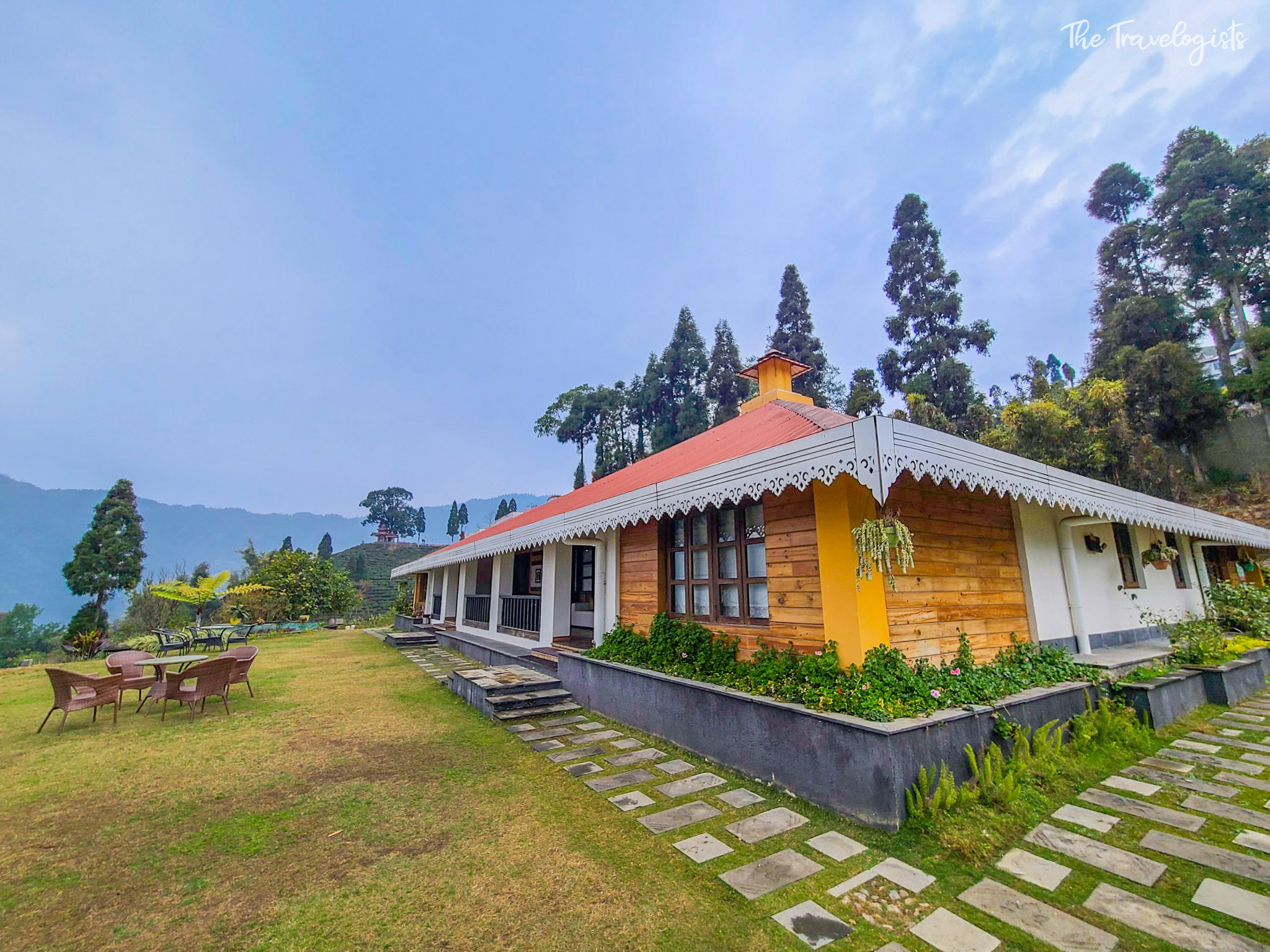
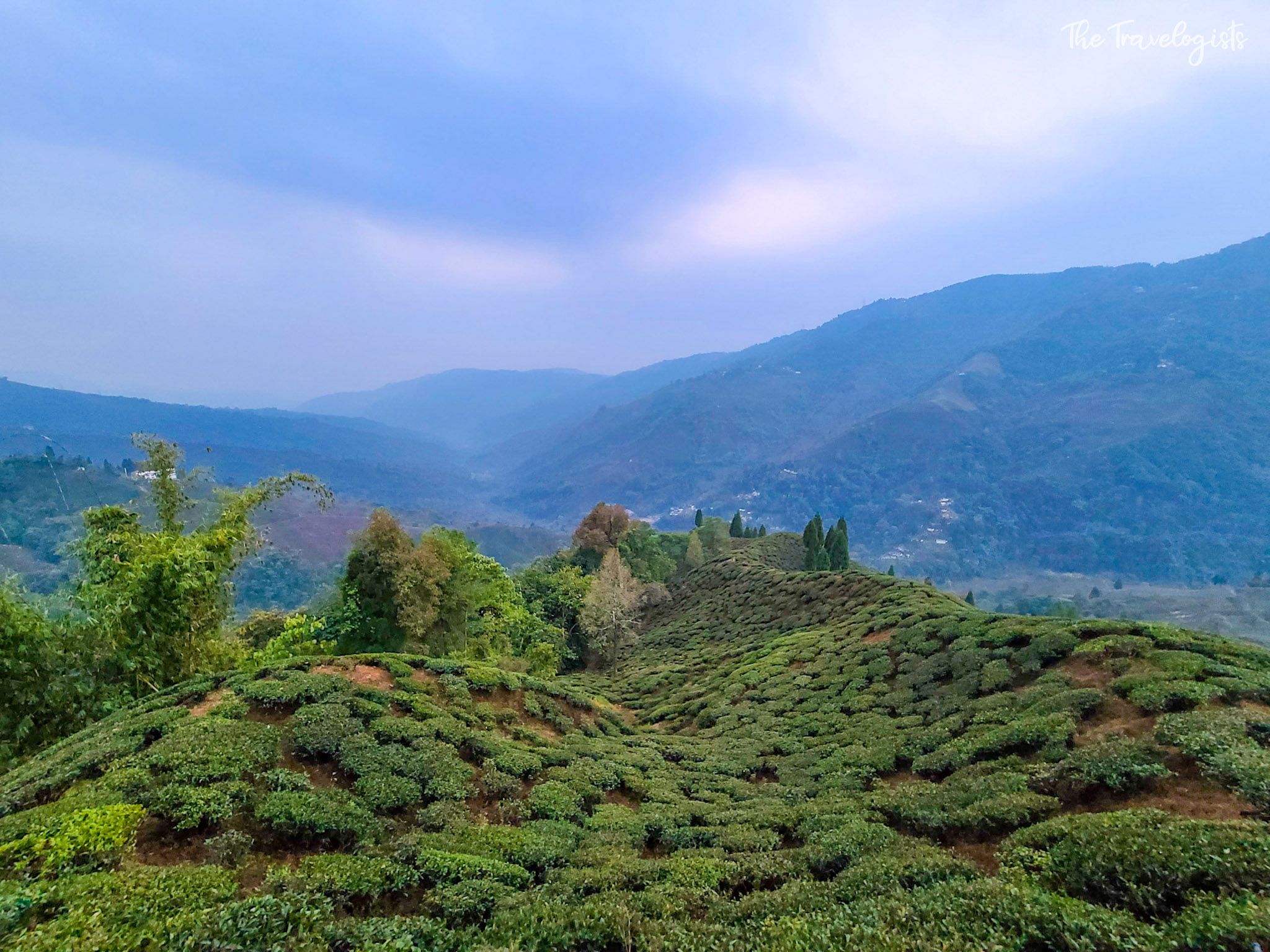
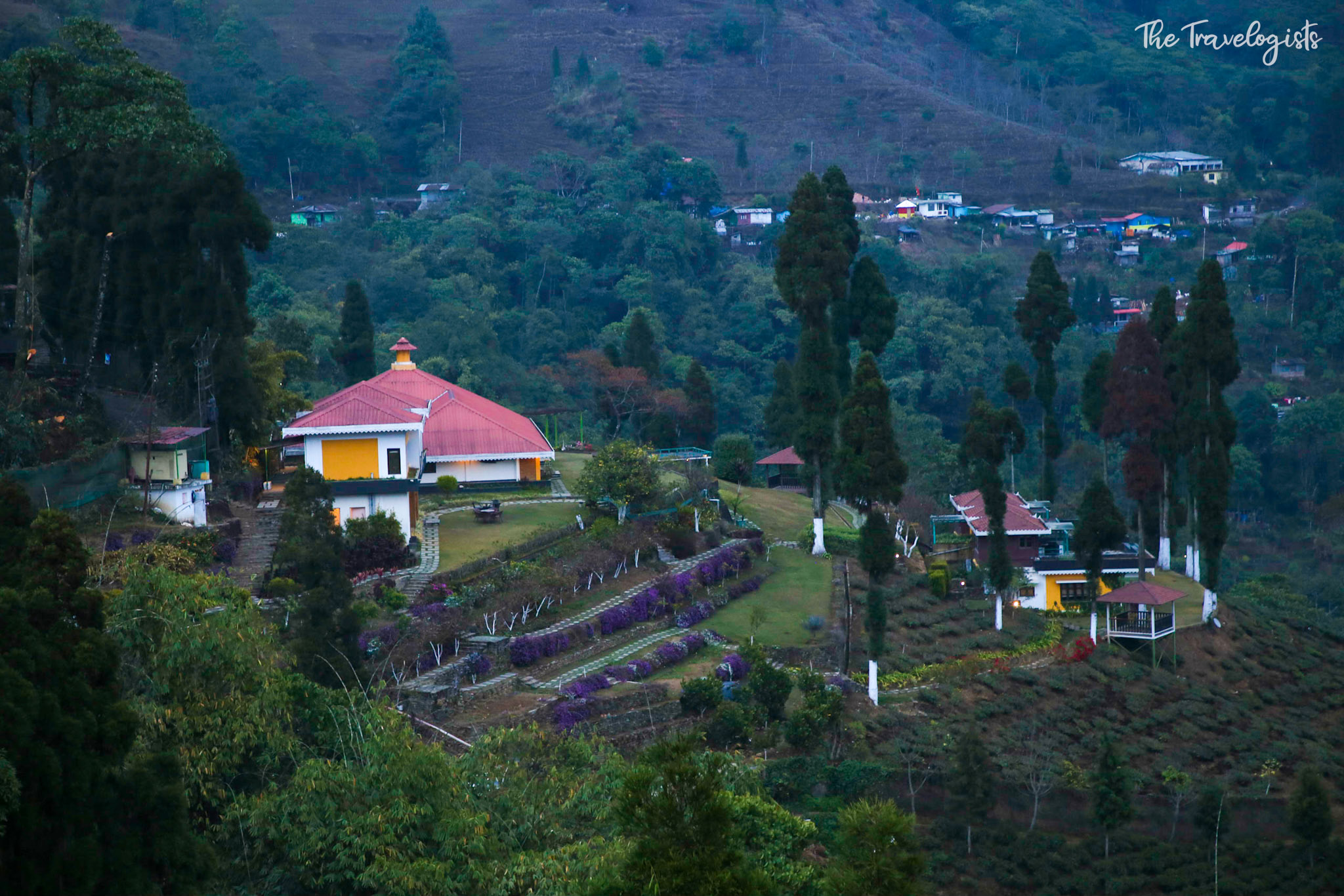
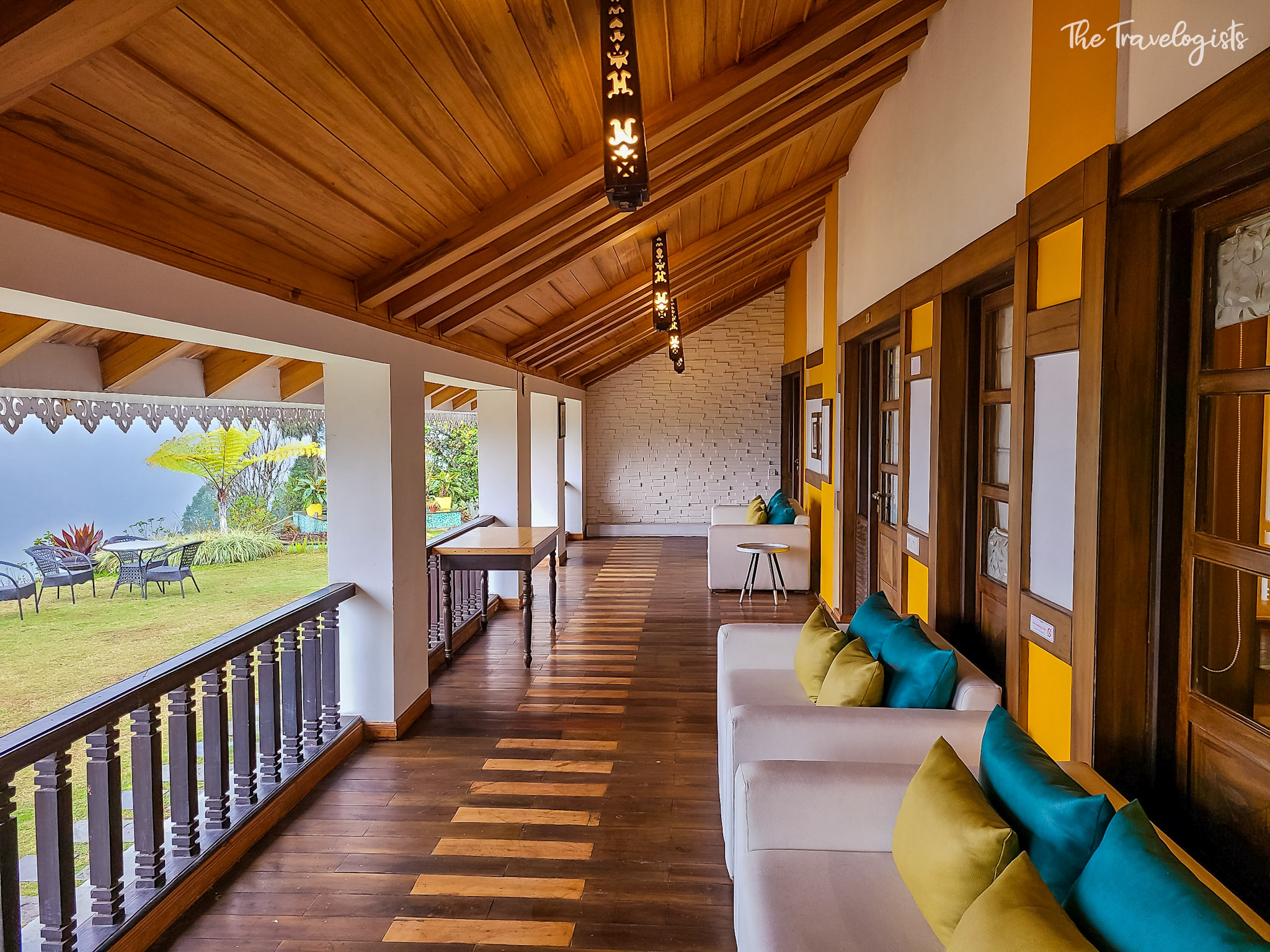
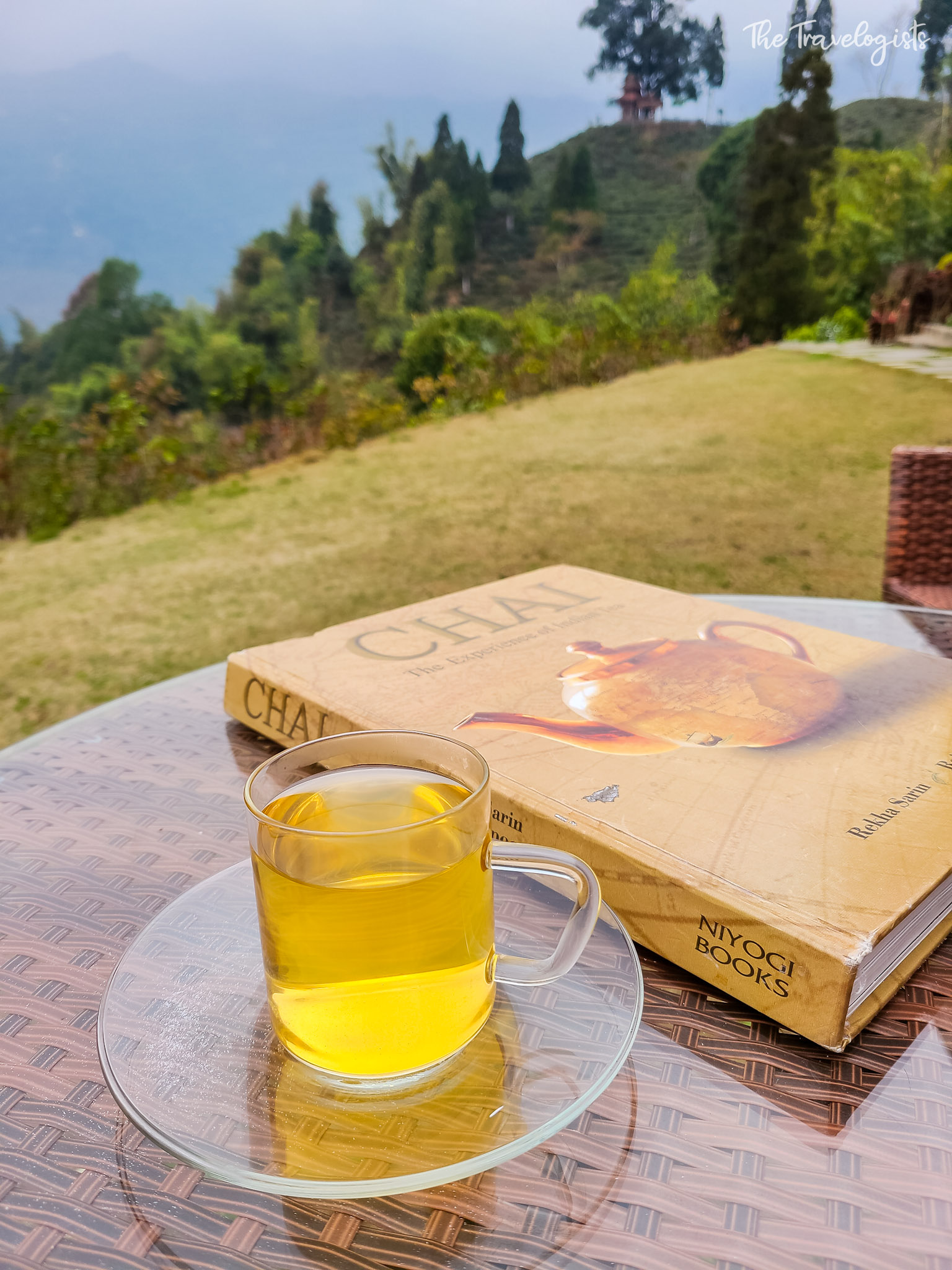
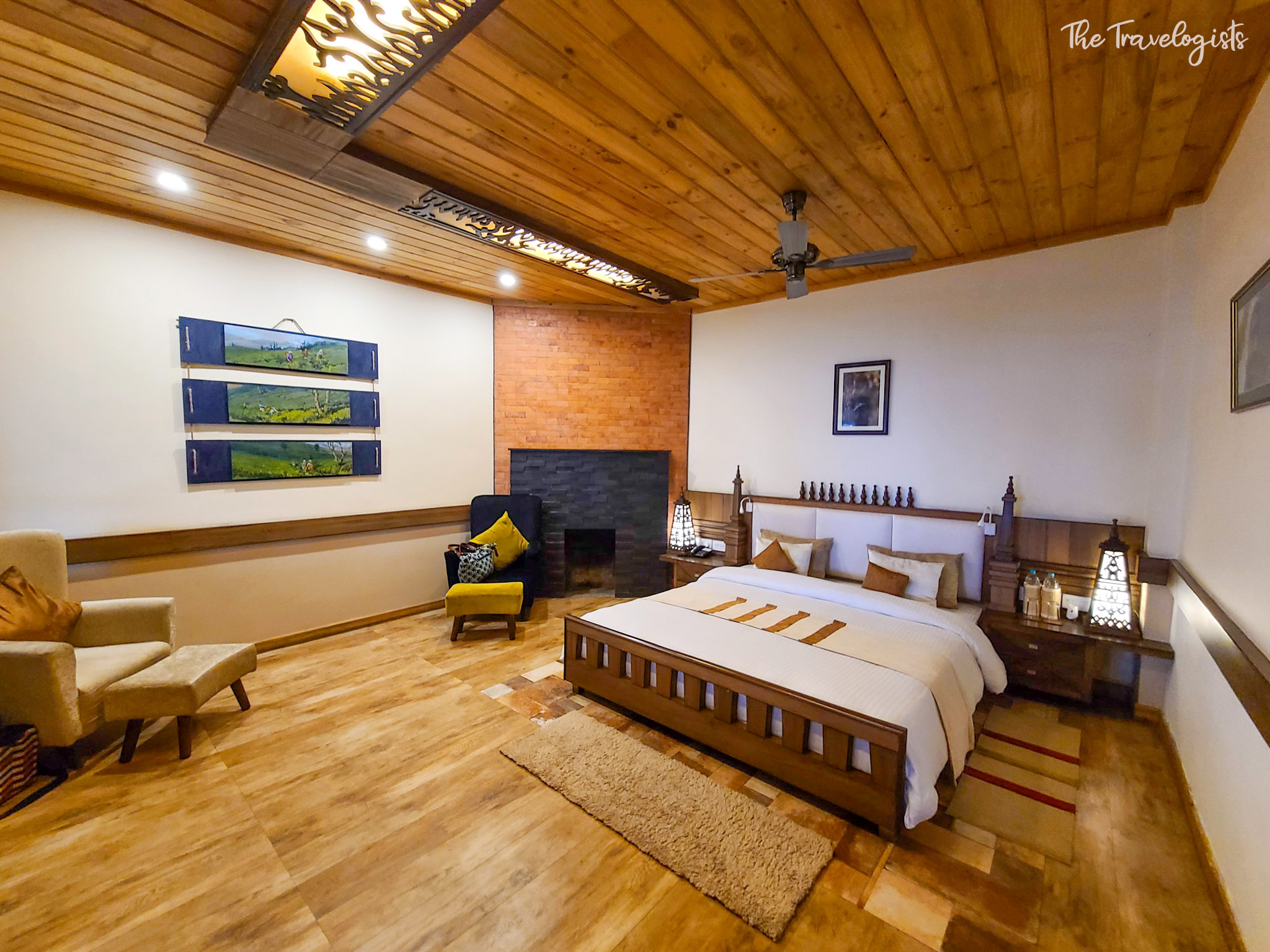
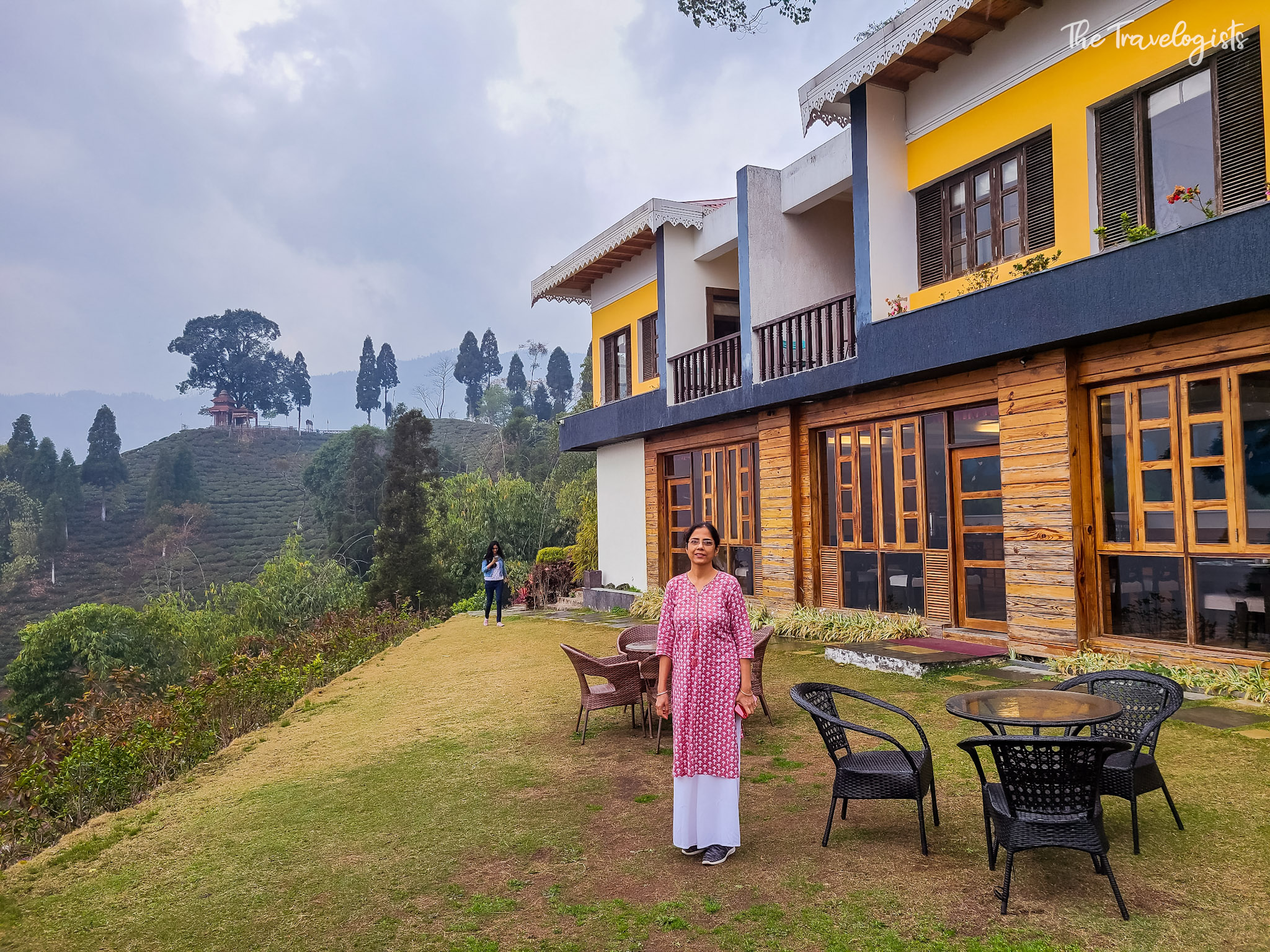
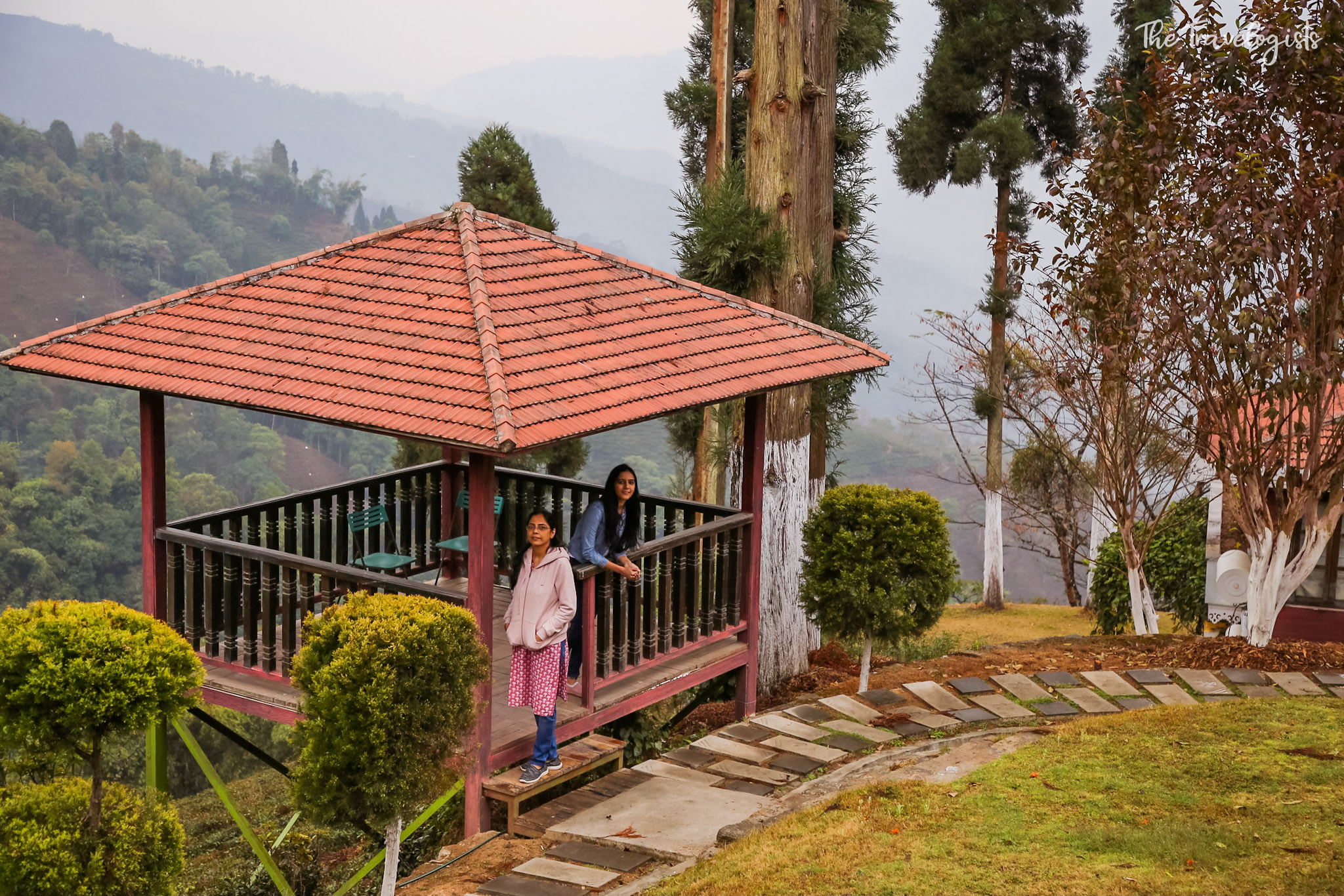
Our first stop was a stay at the Chamong Chiabari Mountain Retreat, located inside the Chamong tea estate, surrounded by the breathtaking Himalayas. The location of the resort is stunning – perched on top of a hill, providing spectacular views all around. You can see tea gardens in every direction, and ofcourse taste their famous Darjeeling teas during their tea-tasting sessions. One can also do a factory tour if desired. The property is well maintained and rooms are well appointed. The Chamong Chiabari is a great place to relax and disconnect from the hustle and bustle of city life!
Darjeeling (3 days)
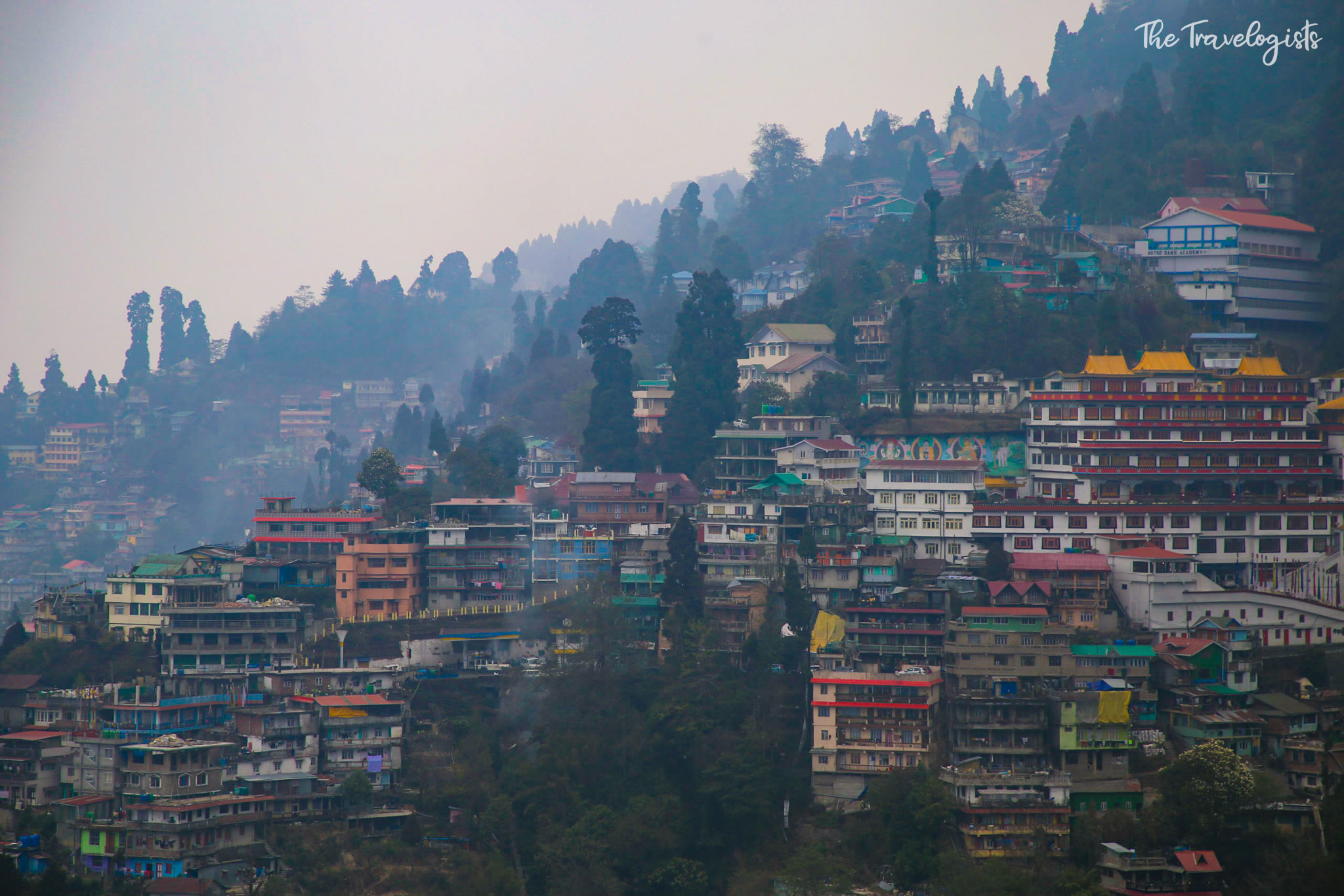
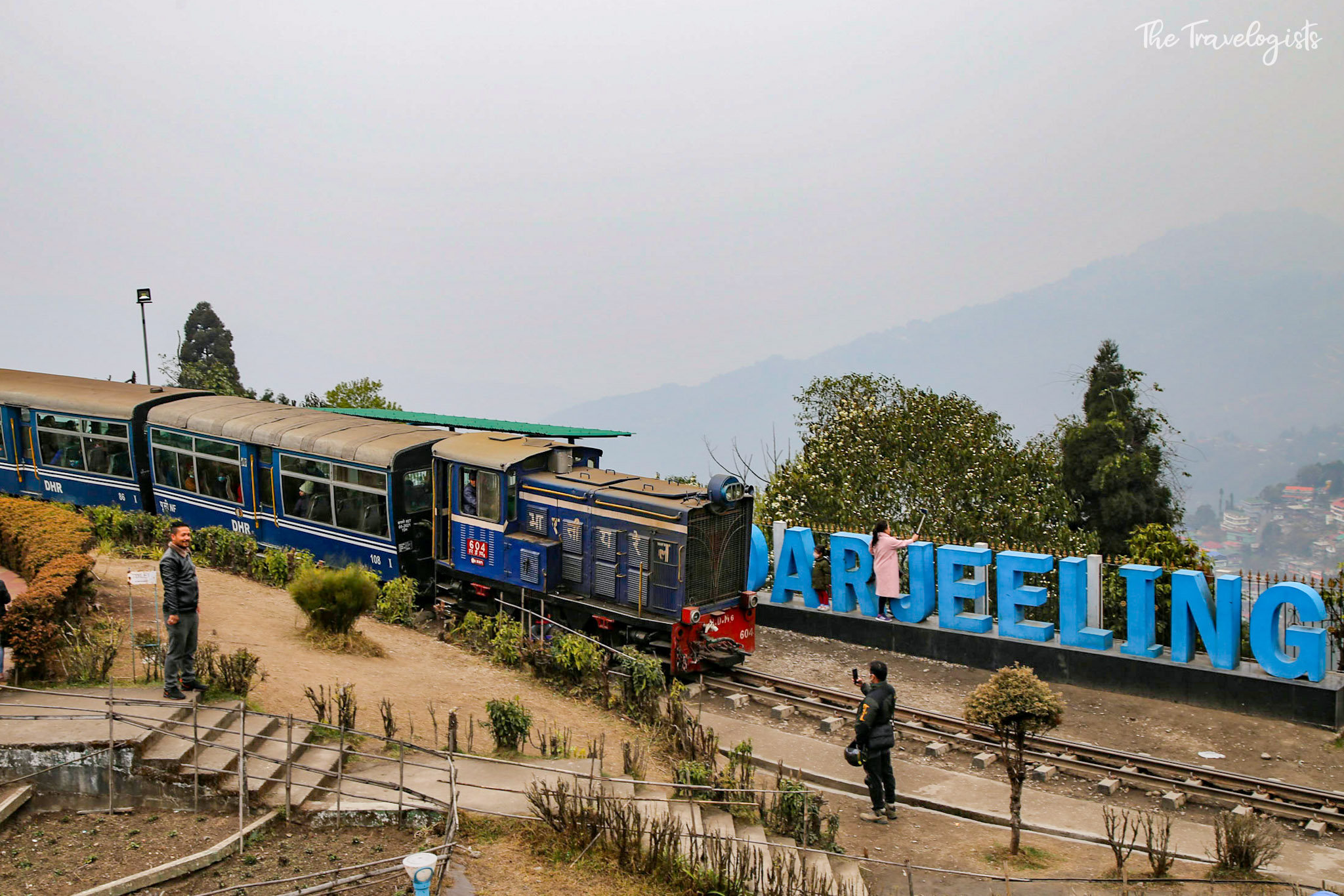
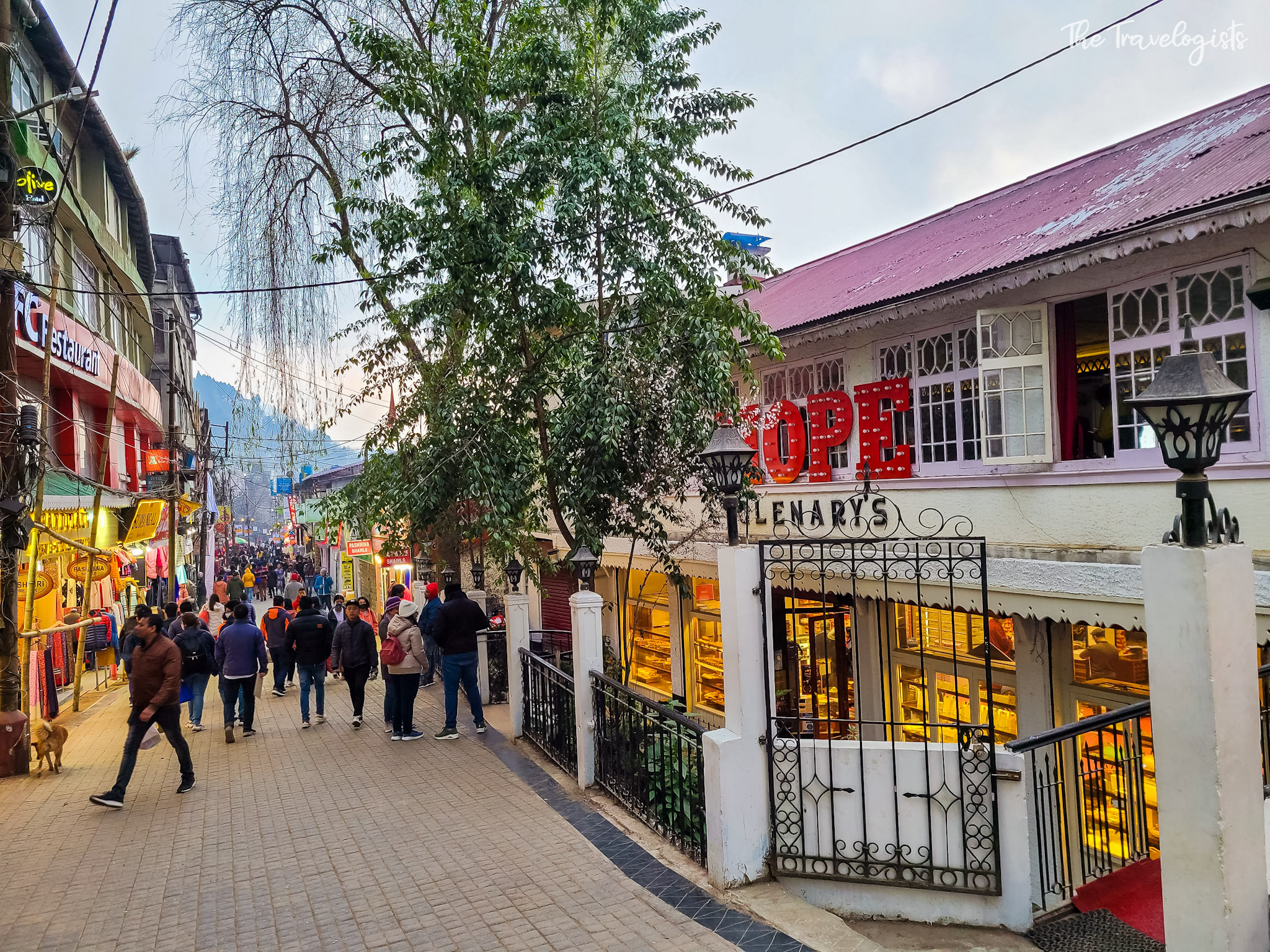
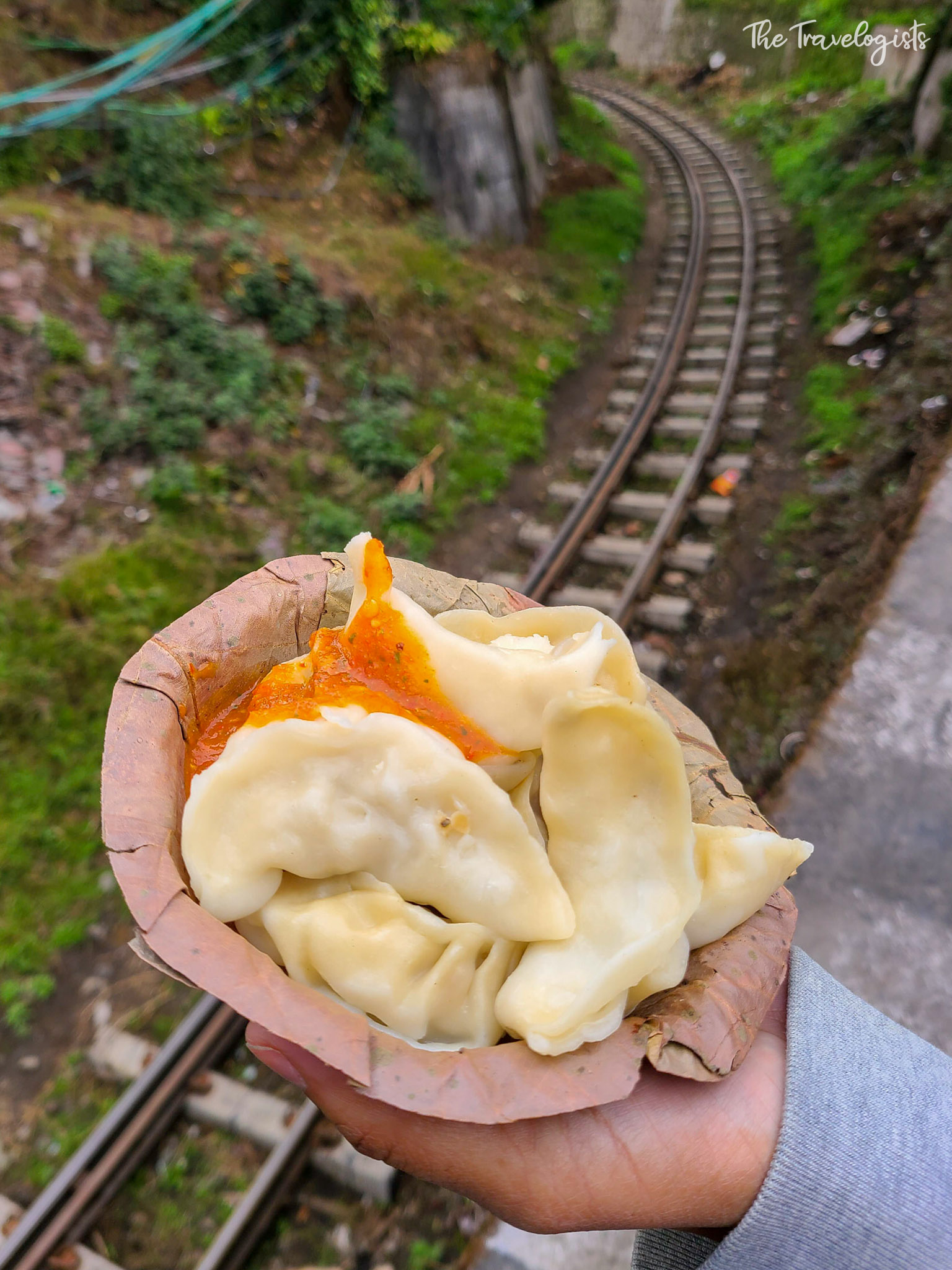
Next, we went to Darjeeling – the Queen of the Hills. Since my sister was visiting Darjeeling for the first time, we wanted to do all the touristy things while at Darjeeling. So we took the ride on the toy train, ate at Glenary’s and Keventers, shopped on the Mall, and bought copious amounts of Darjeeling tea to bring back home!
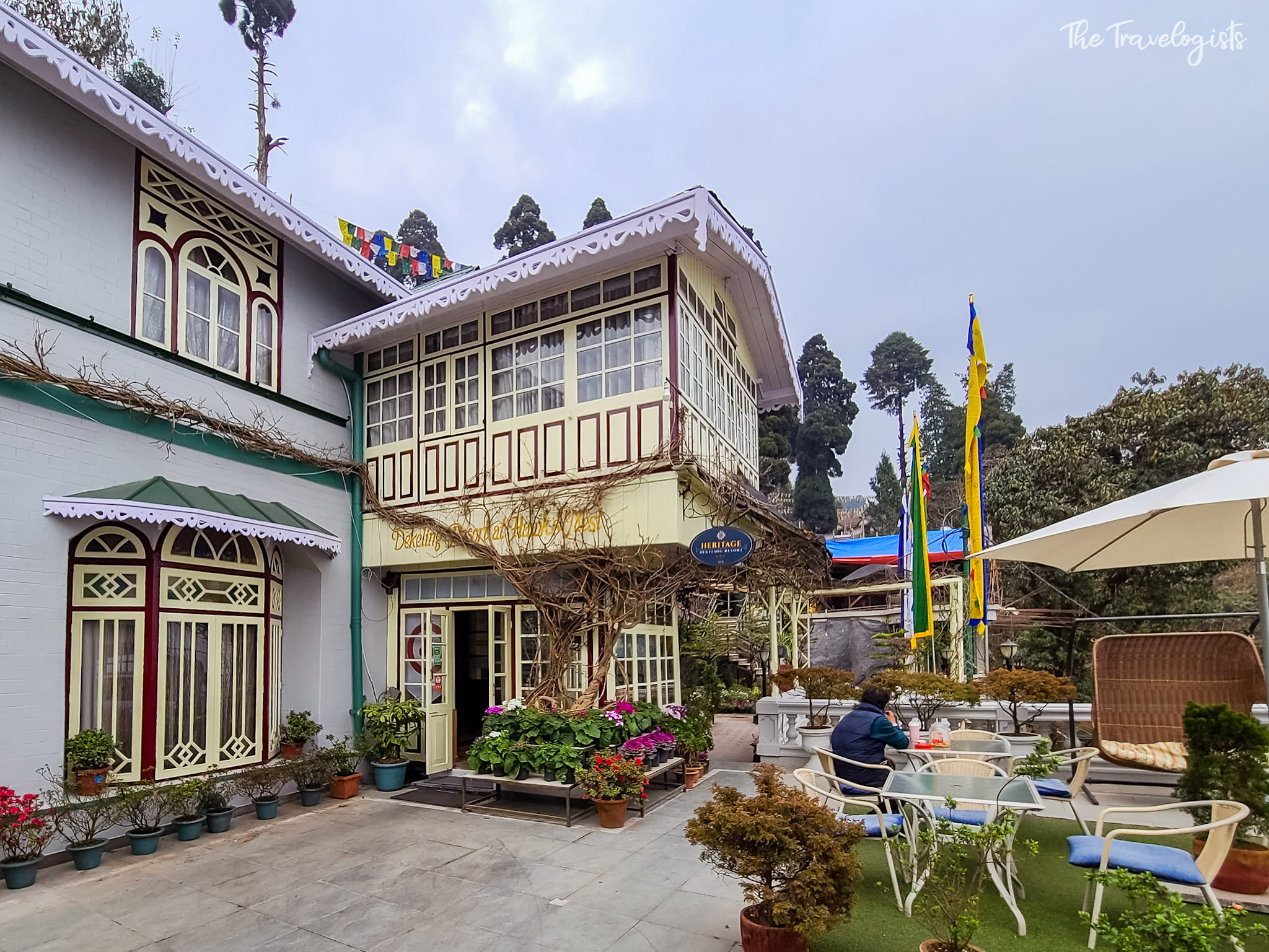
At Darjeeling, we stayed at the Dekeling resort – a British era hotel with panoramic views of the Himalayan range.

Kalimpong (4 days)
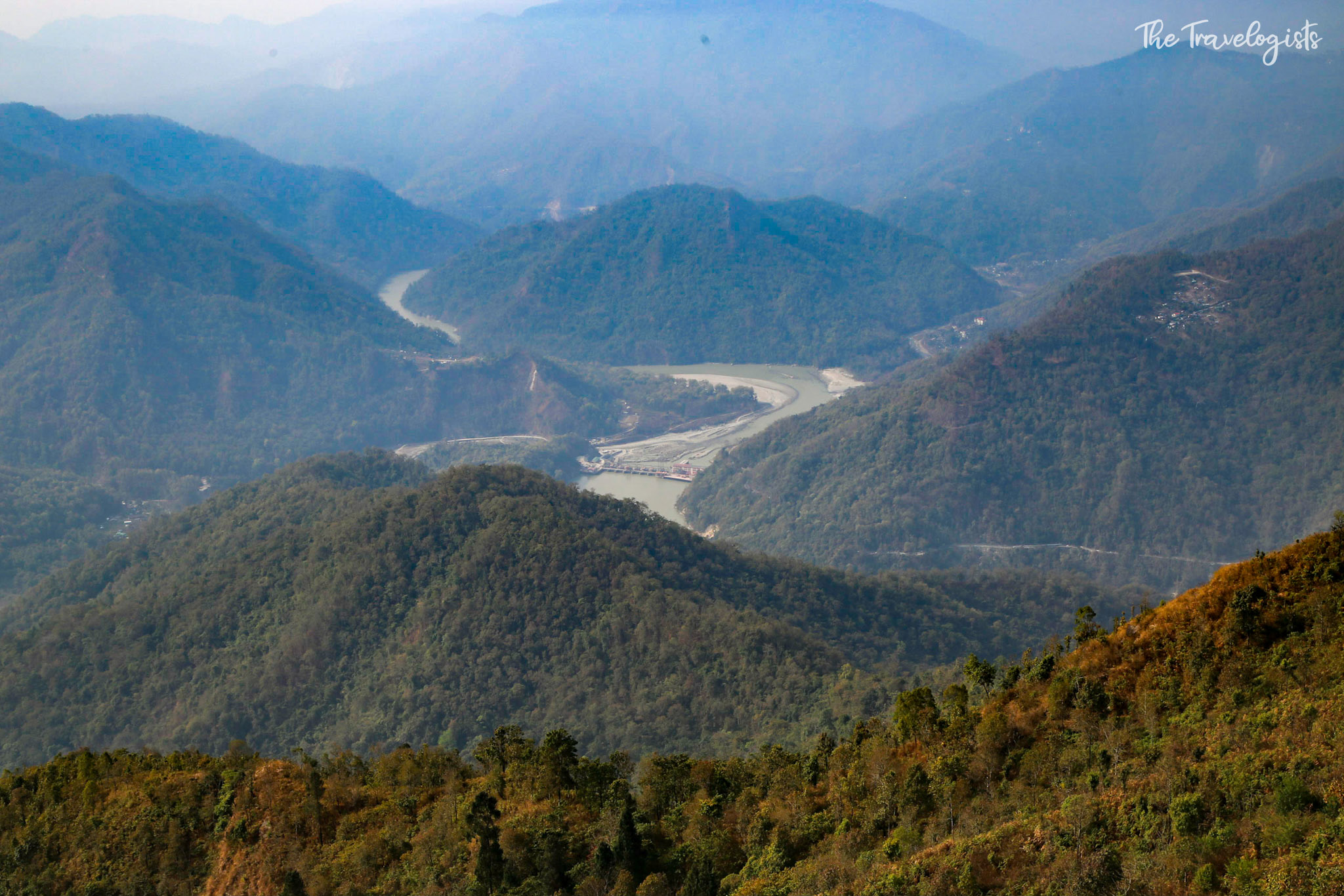
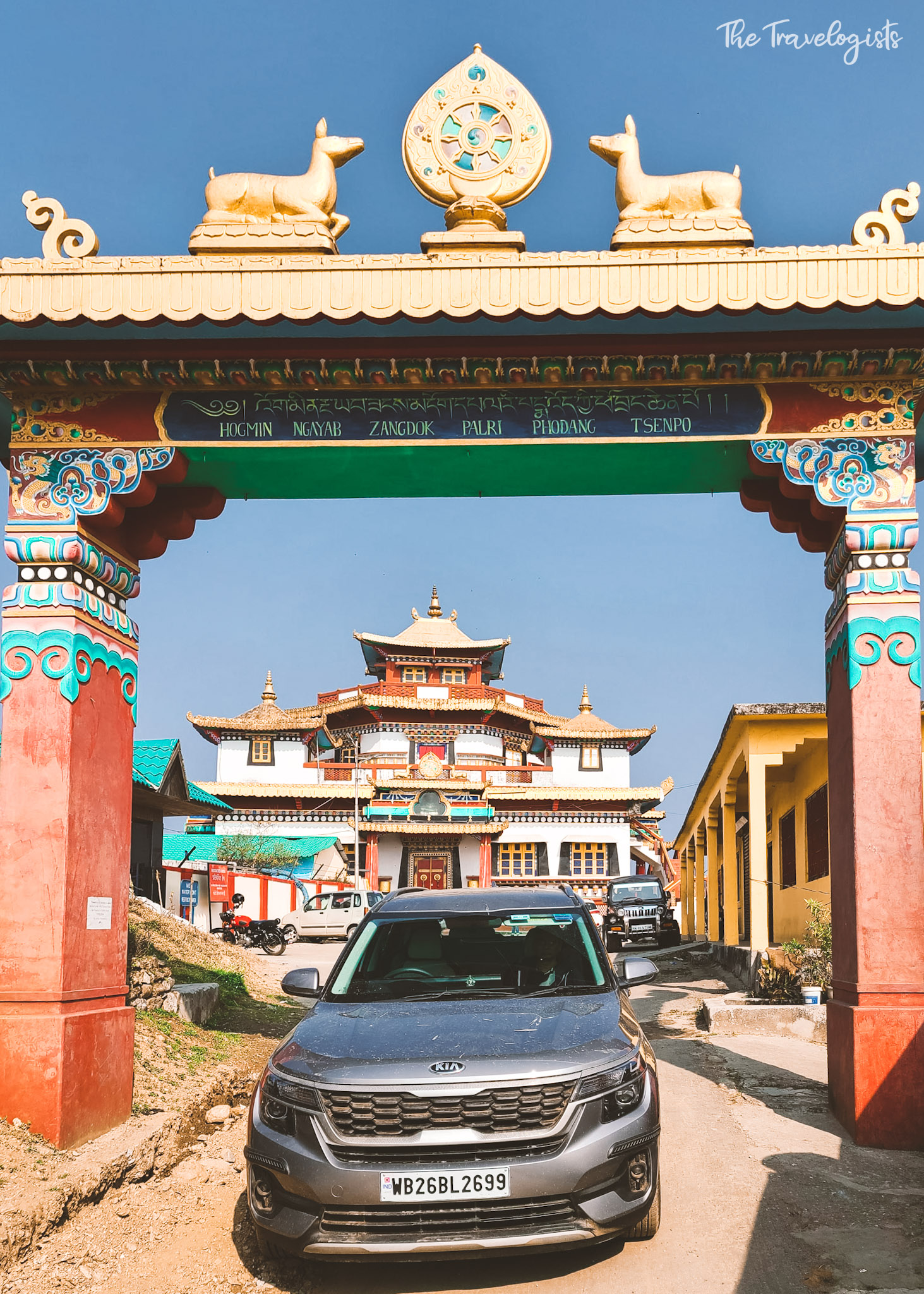
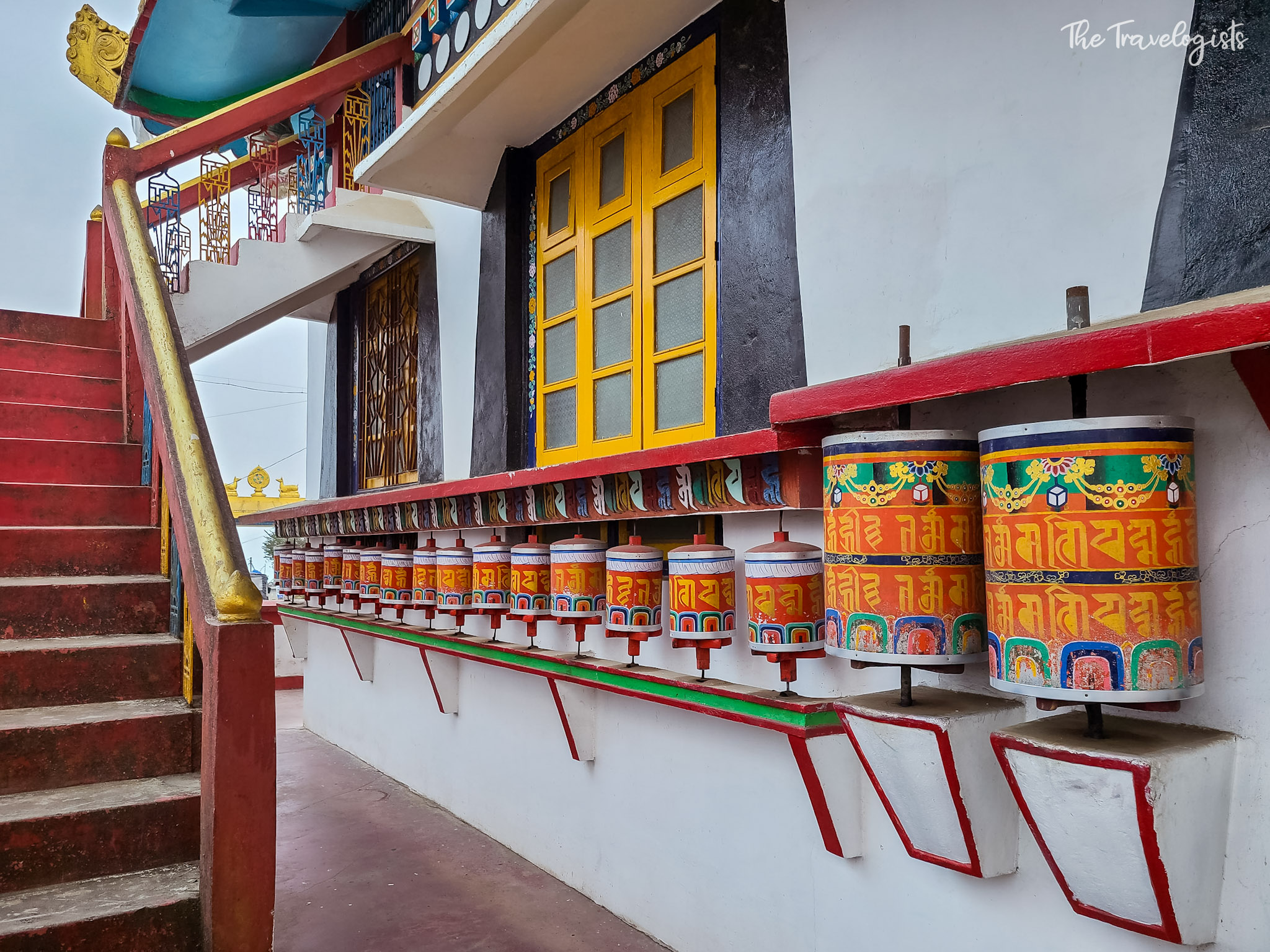
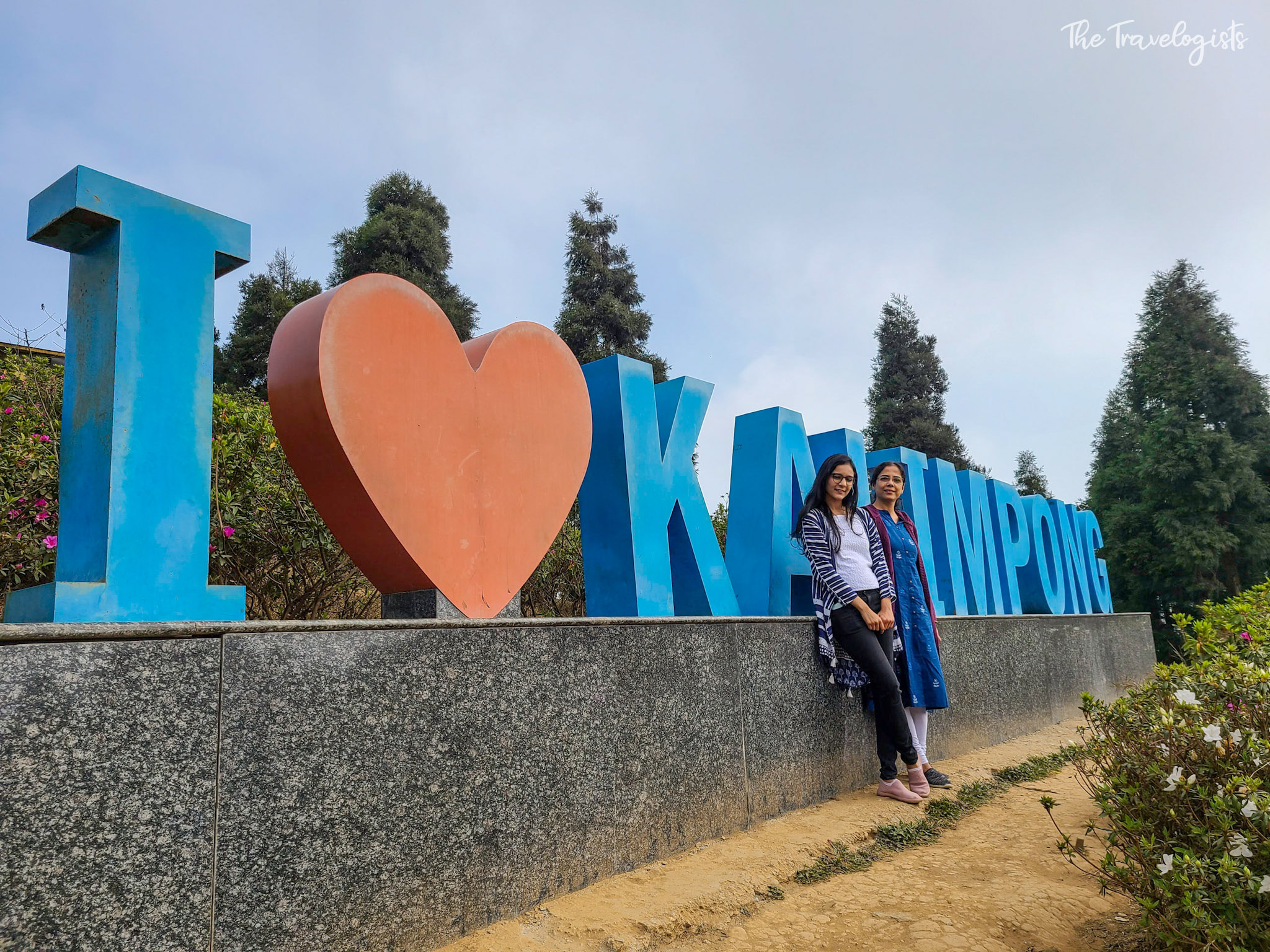
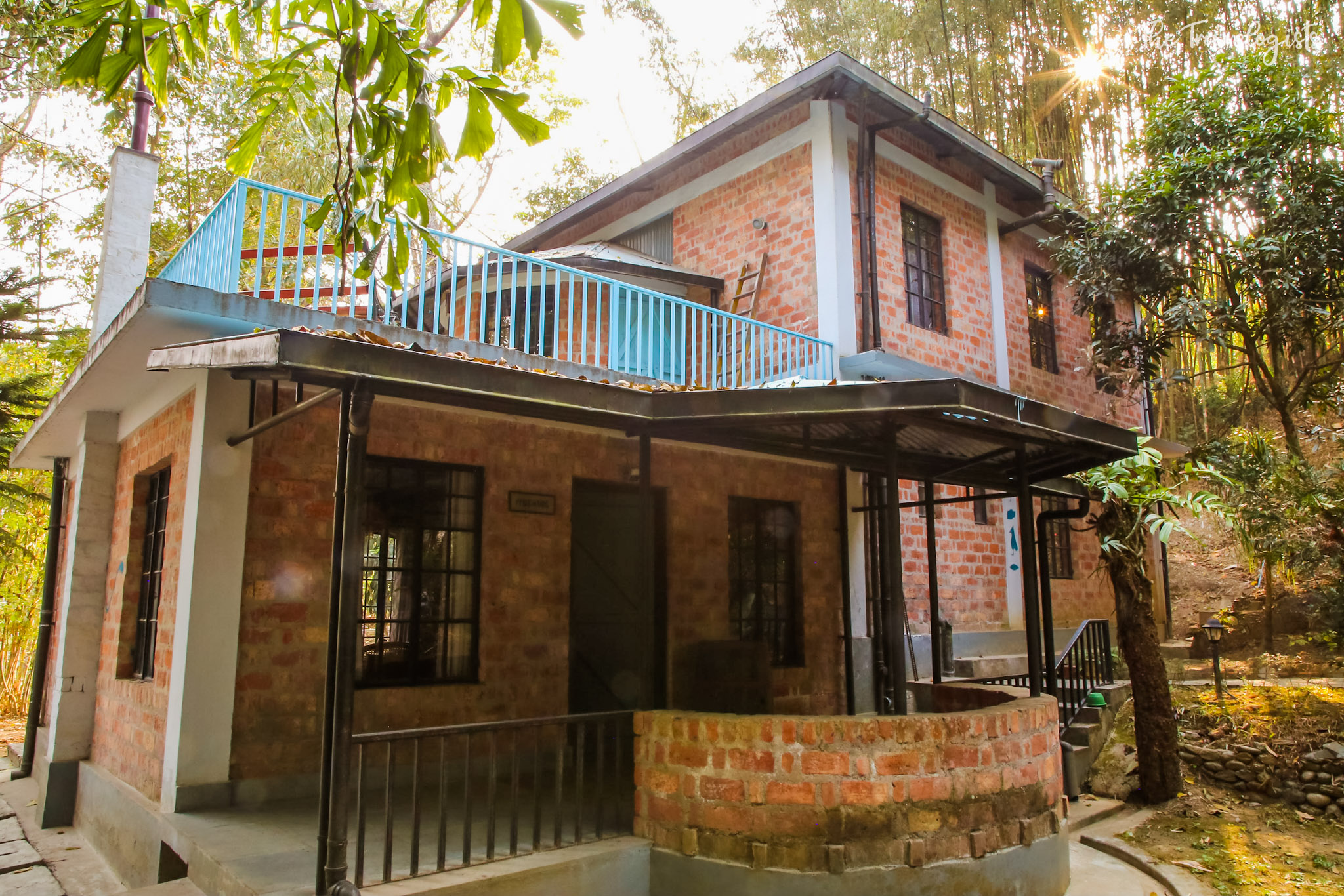
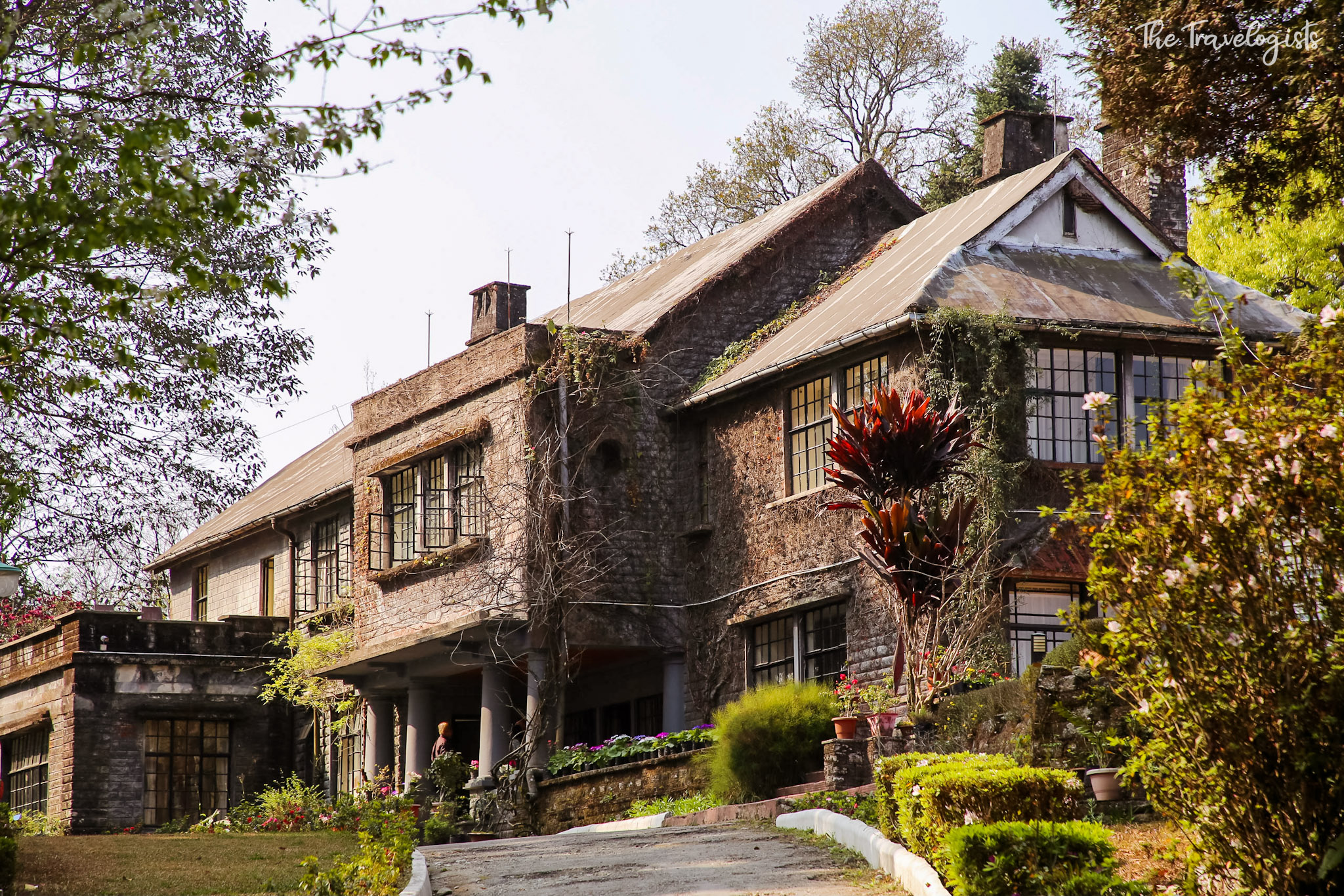
The next four days were spent relaxing at Kalimpong, a small town nestled in the Himalayan foothills, between Darjeeling and Siliguri. Kalimpong has panoramic views of the mountains and valleys, monasteries, great local food, and is home to a diverse variety of orchid, cactus and ornamental plants. While at Kalimpong, we rented an airbnb – tHembre Cottage. We worked remotely during the day, and spent the nights soaking up the heat from the fireplace in our cottage.
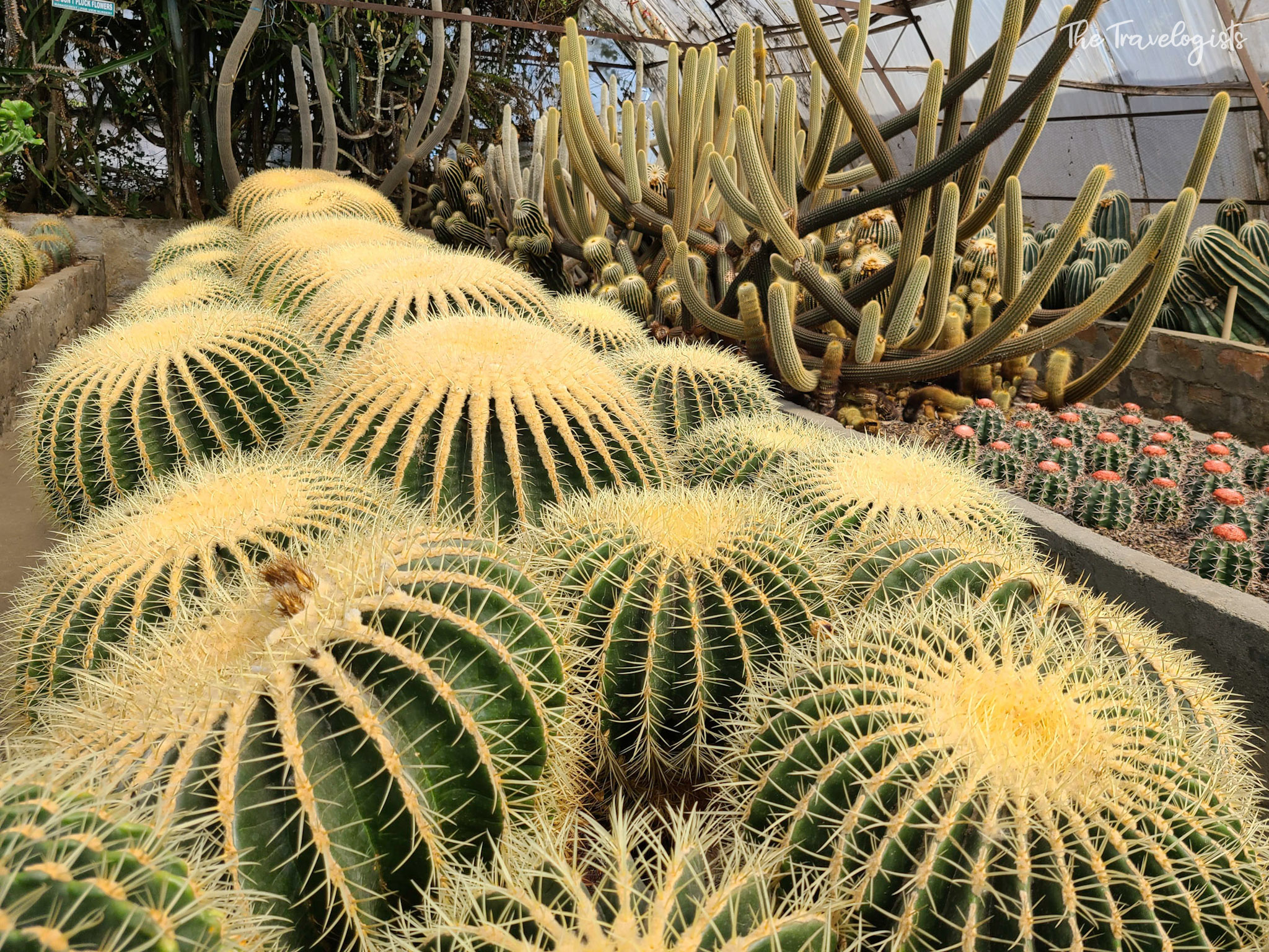
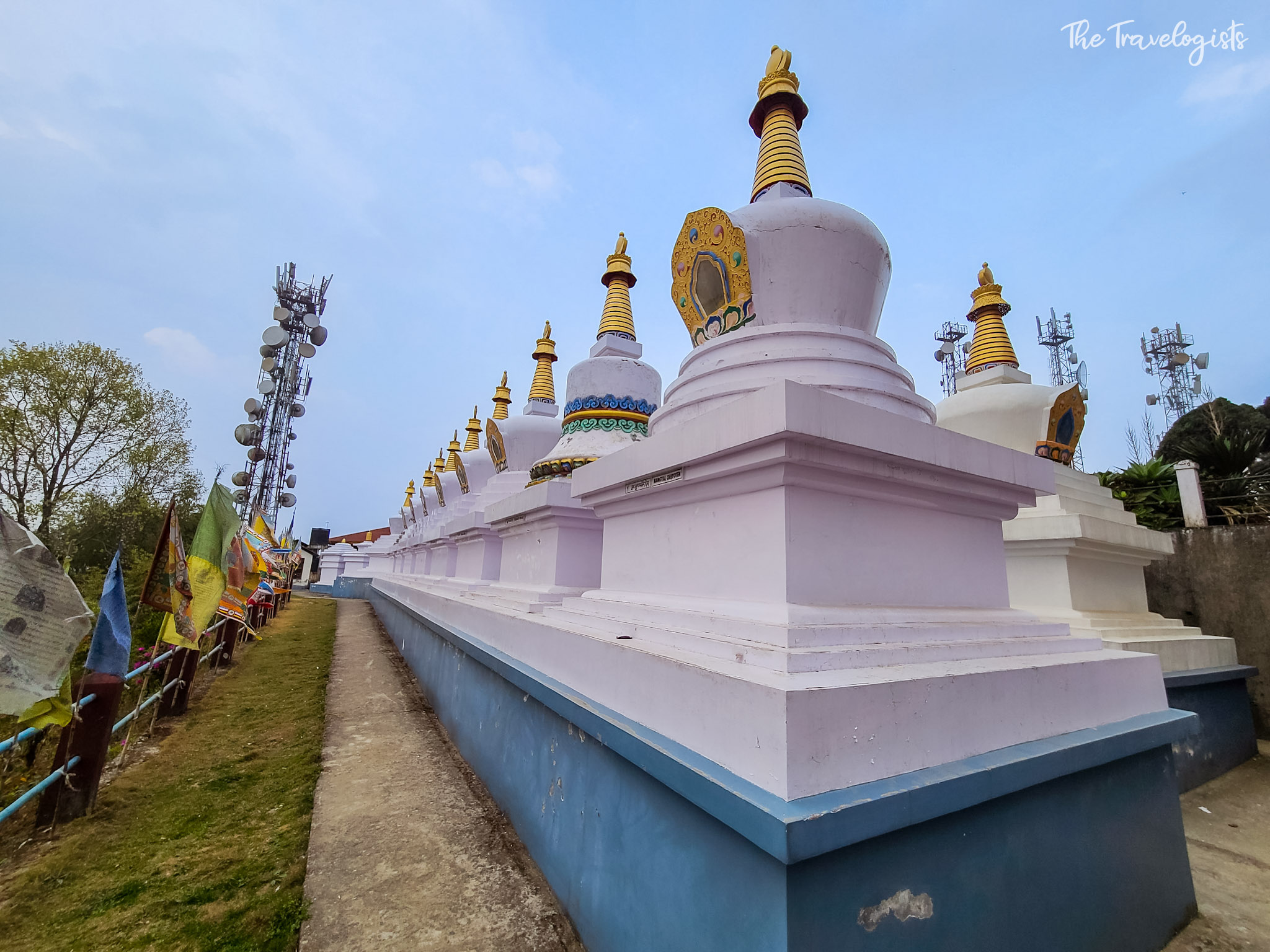
Kalimpong – Lolegaon – Lava – Siliguri (1 Day)
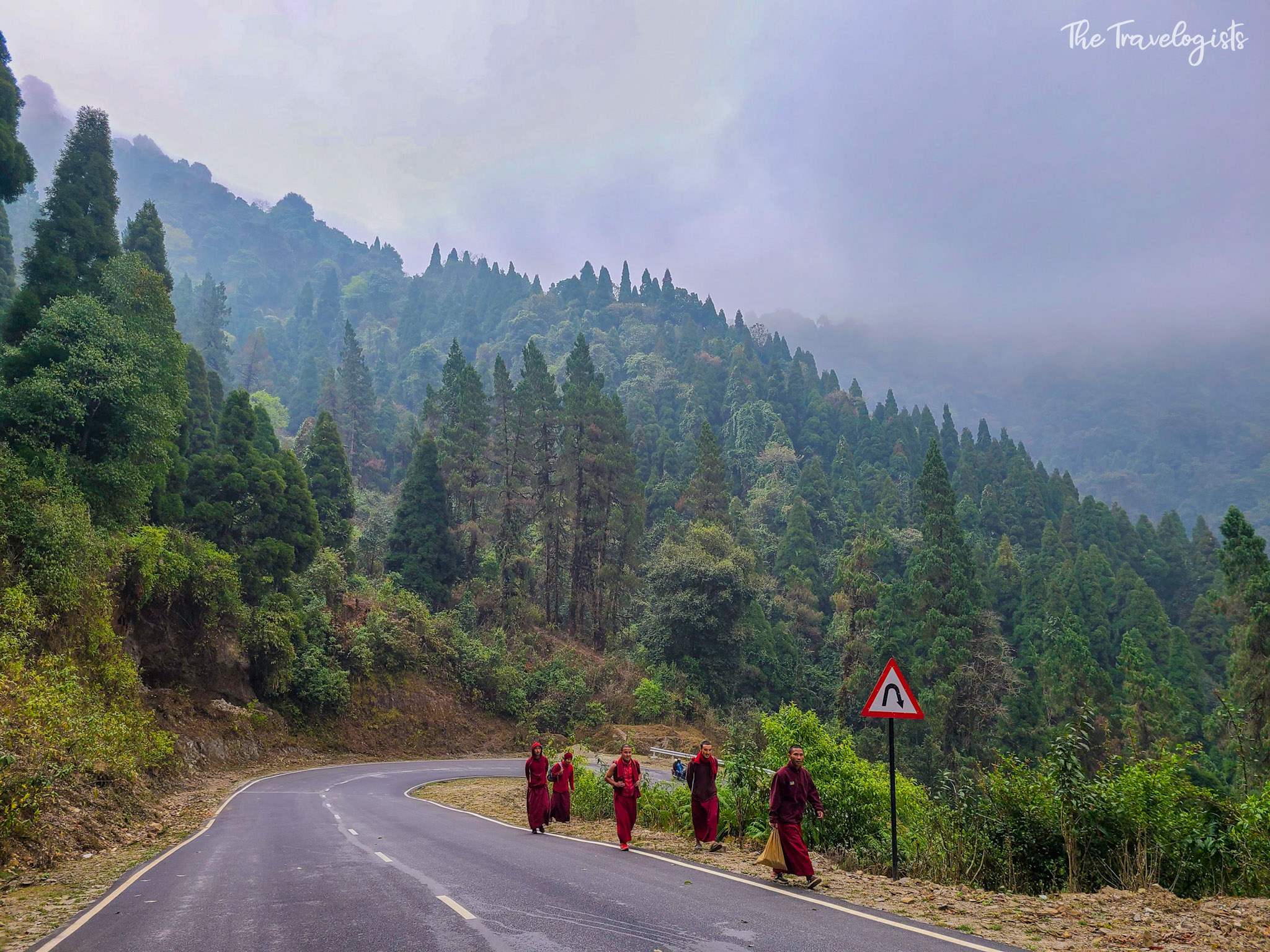
On the penultimate day, we drove from Kalimpong to Lolegaon via the narrow mountainous road, often passing through forests of fir, oak, birch and cypress. Lolegaon is a Lepcha village situated at the extreme end of a Himalayan ridge, with spectacular views of the Himalayas, valleys and lush green forests. There are many small treks and trails which begin from Lolegaon, and there is a famous canopy walk through the forest (closed as of March 2021).
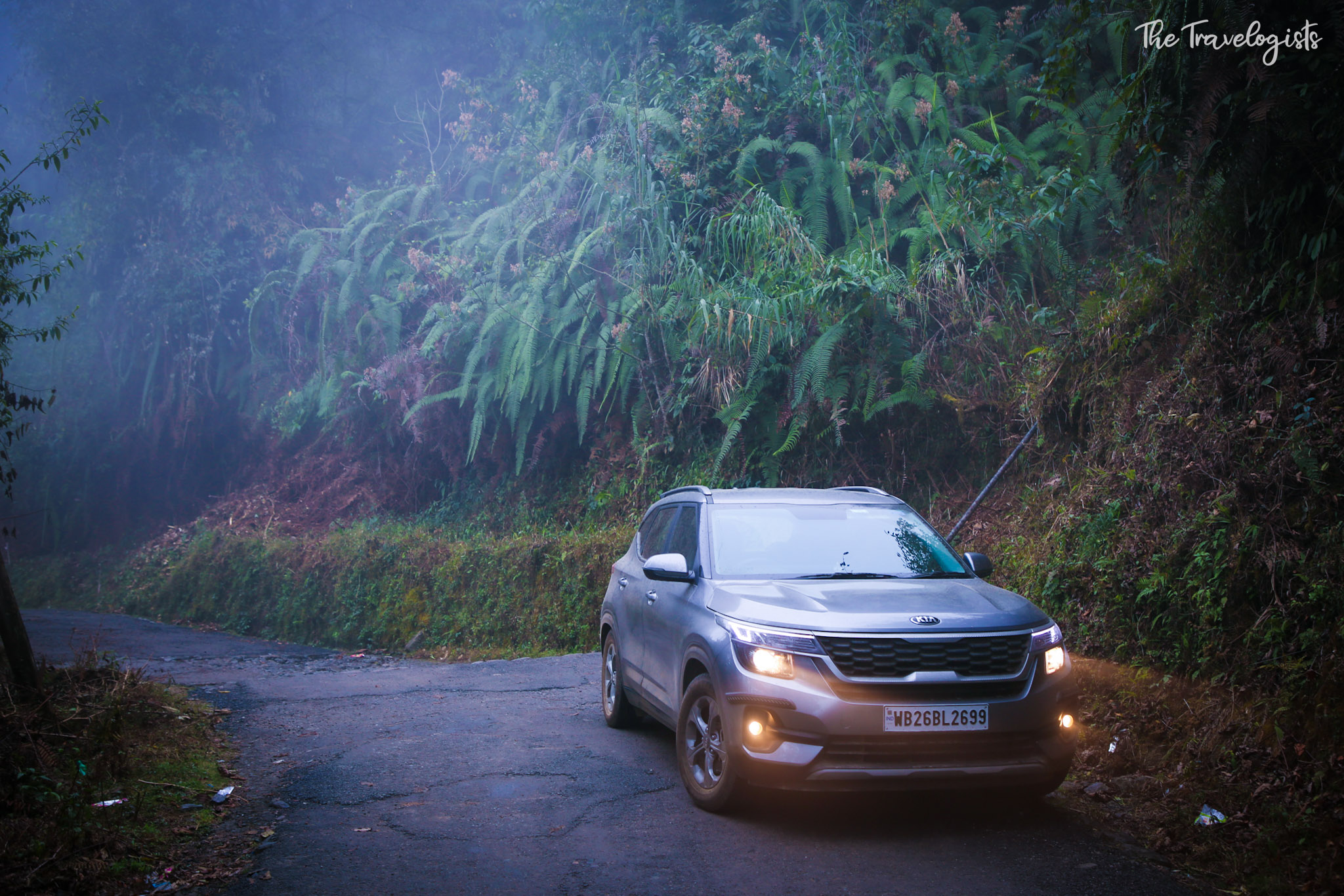
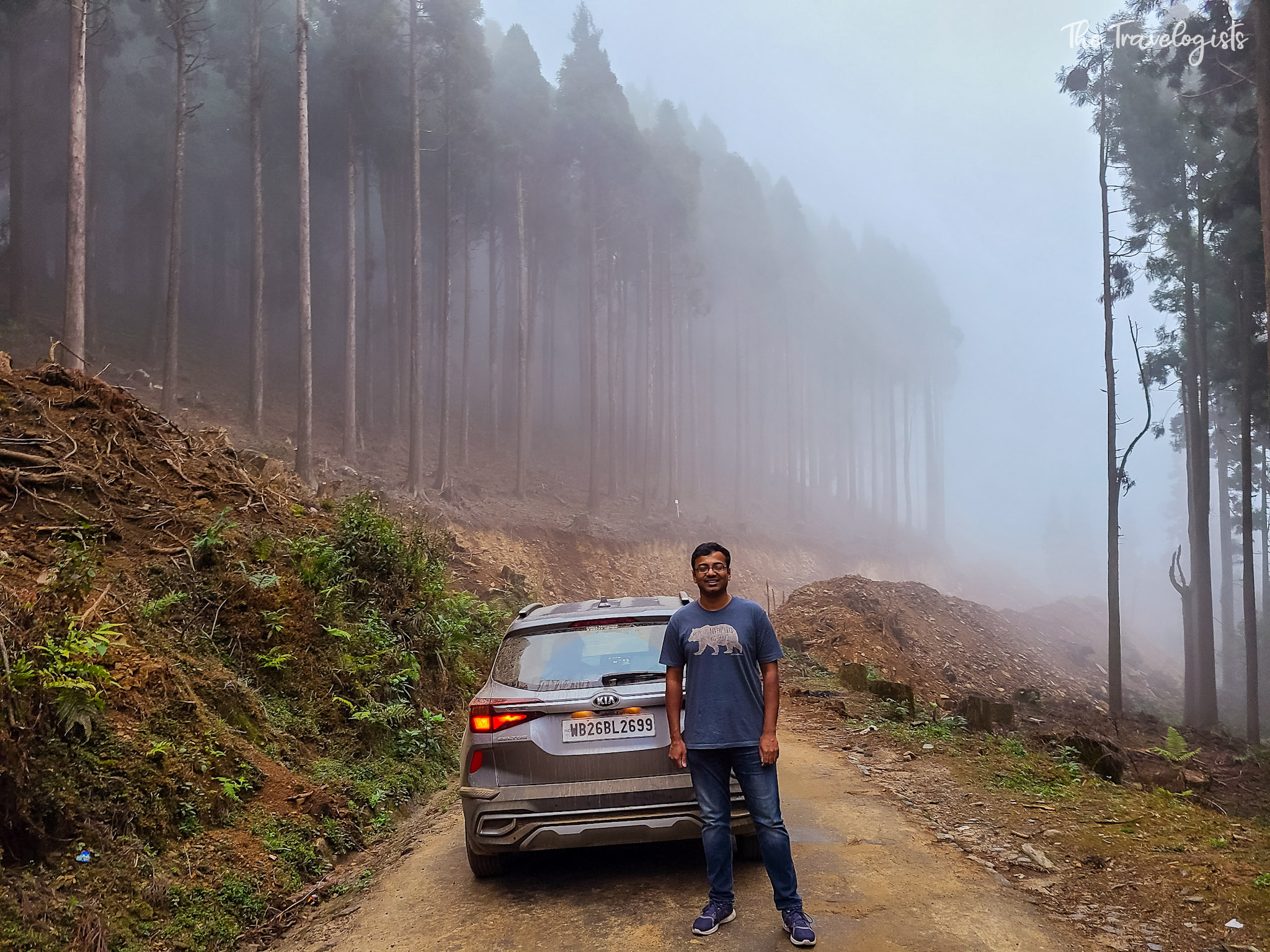
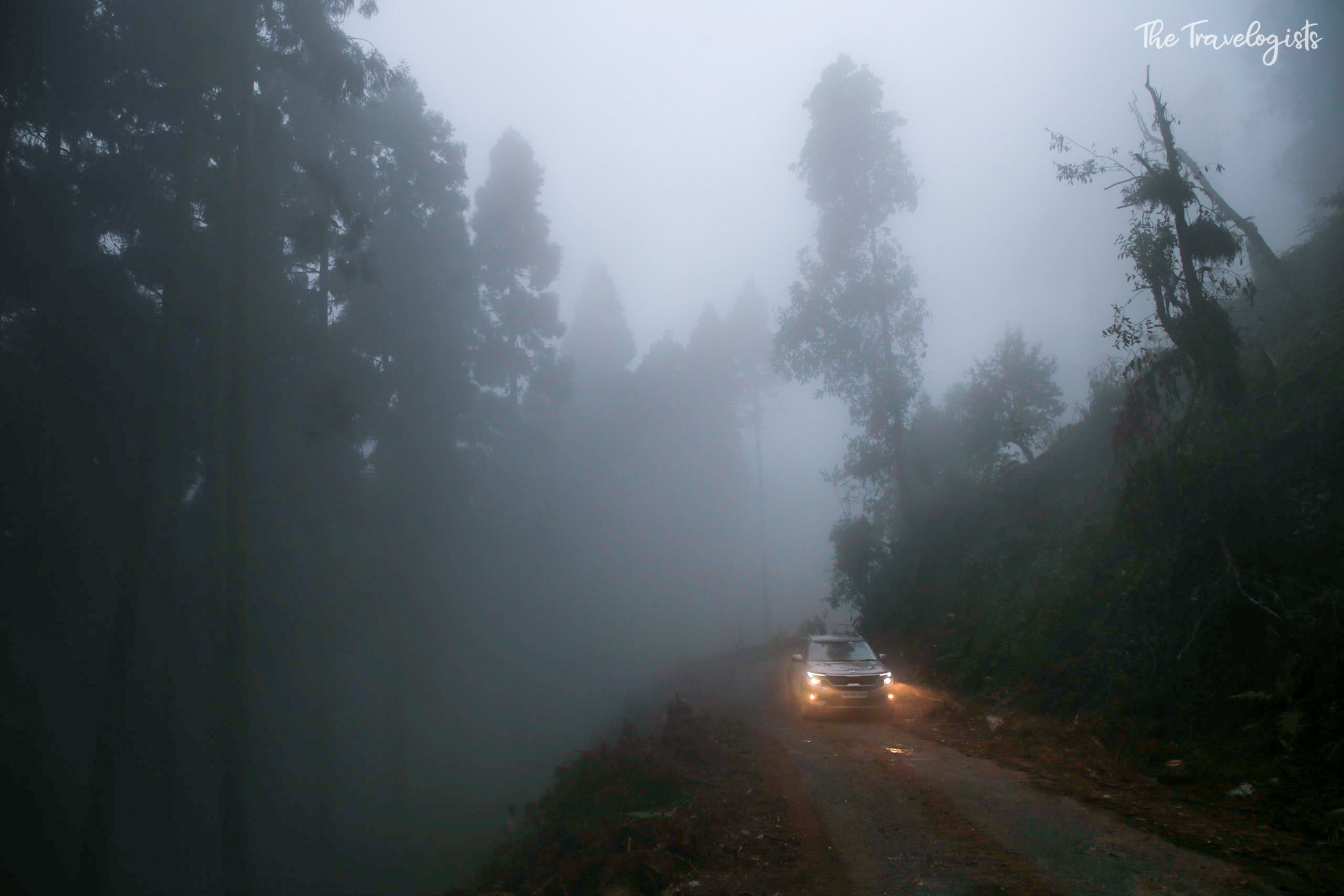
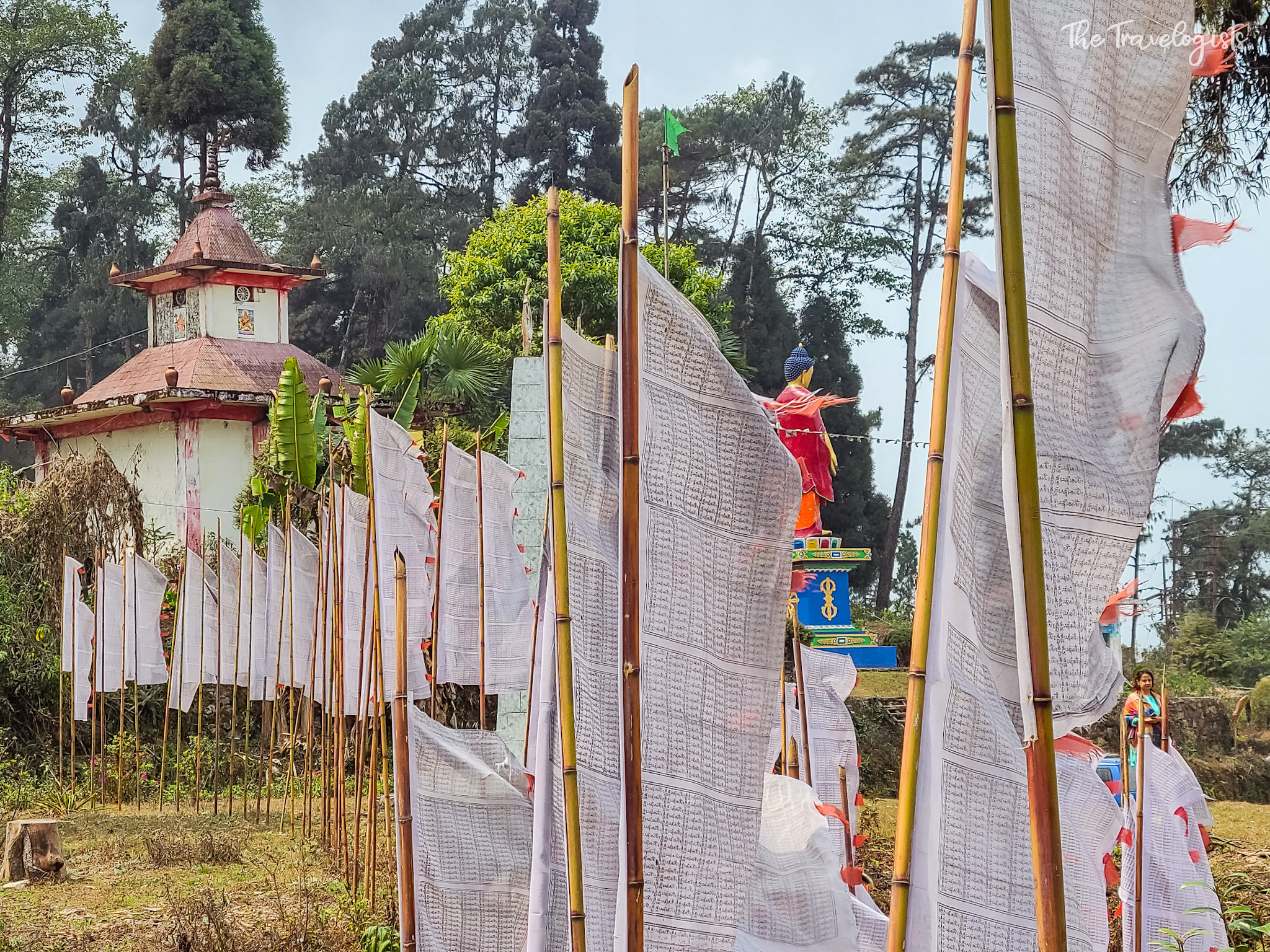
From Lolegaon, we drove to Lava through an under construction road through the mountains (Probably the new highway under construction between Malbazar and Sikkim?). Locals guided us to the T-junction where the road diverged towards Lava, and suddenly we were off the grid – Google Maps could no longer locate us on any known road. With slight trepidation I kept driving, and faced no major issues on the road. The drive was stunning, with amazing mountain views. Sections of the road were foggy, and the fog made the views even more magical! Lava is a small village surrounded by pine forests and often hidden in mists and clouds – the main attractions being the Buddhist monastery, and Neora Valley national park.
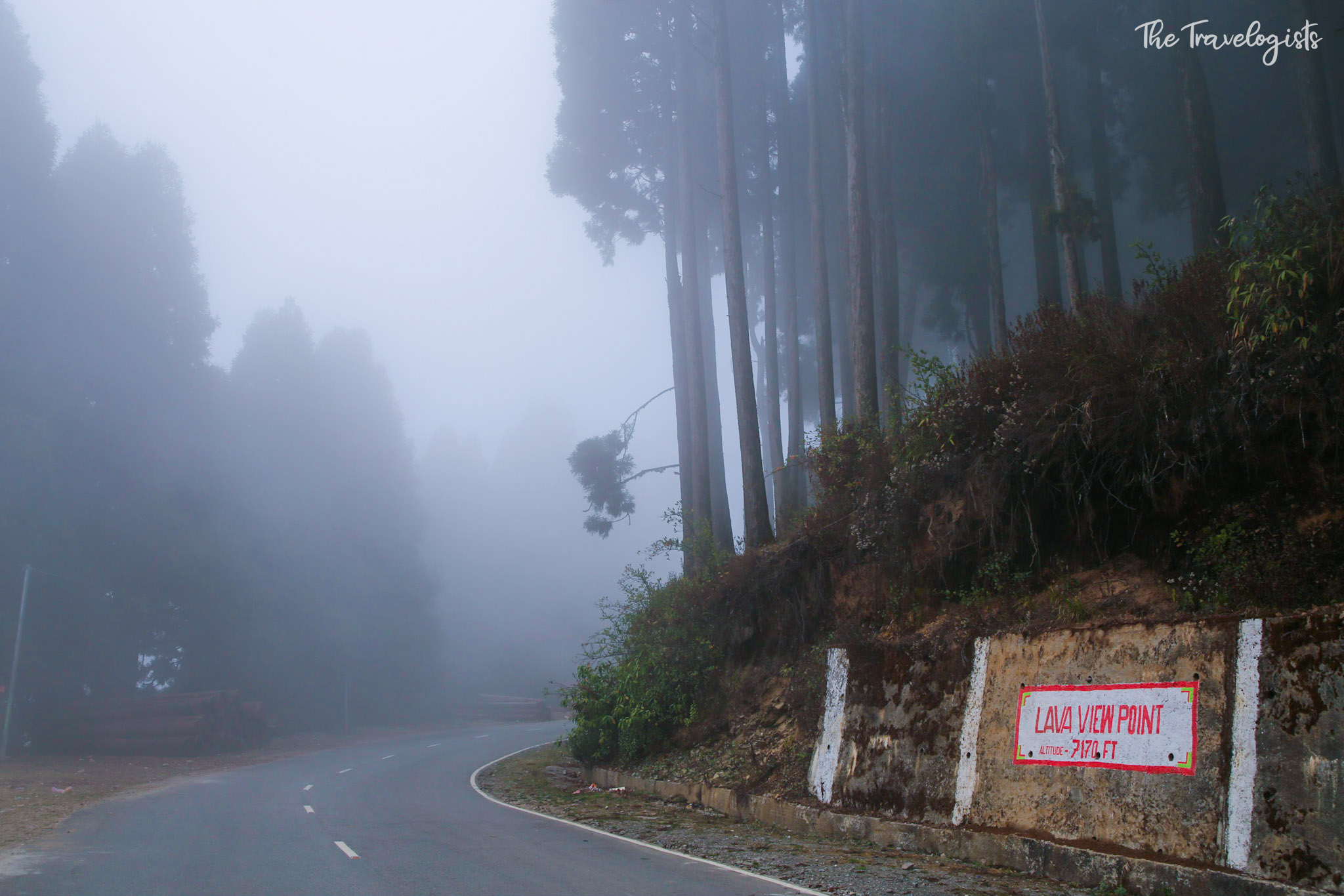
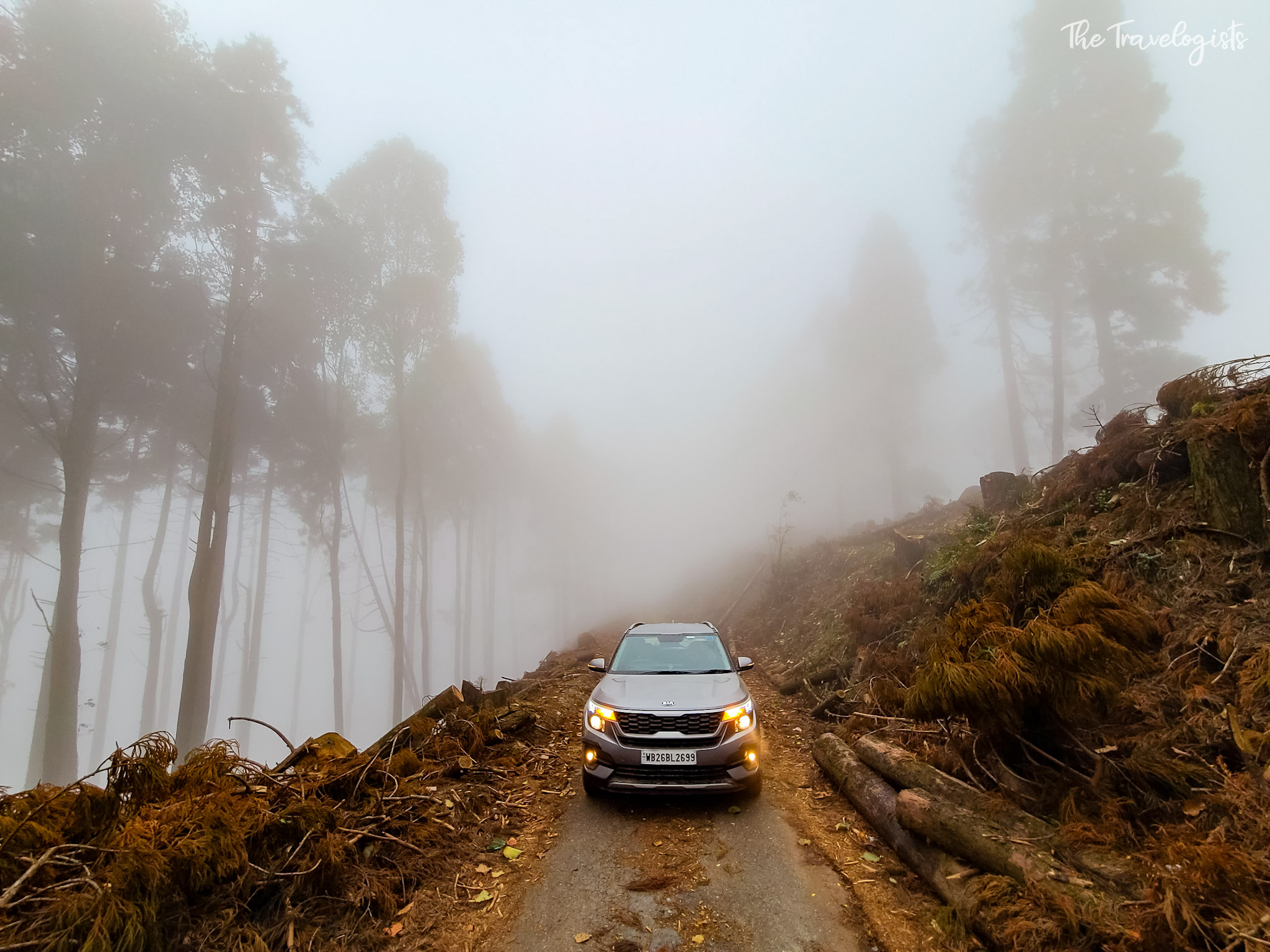
How to get there:
Instead of taking a train or flight to Siliguri, we drove to Siliguri from Kolkata. The drive from Kolkata to Siliguri is an adventure in itself – and can take anywhere between eleven to eighteen hours. We were lucky to have clear roads, and were able to make the drive in less than twelve hours both ways. For the latest road conditions, check out the posts at the R.O.A.D Facebook group.

 The Travelogists